Kirjailija
George A. Dorsey
Kirjat ja teokset yhdessä paikassa: 53 kirjaa, julkaisuja vuosilta 1902–2026, suosituimpiin kuuluu The Oraibi Soyal Ceremony. Vertaile teosten hintoja ja tarkista saatavuus suomalaisista kirjakaupoista.
Nimi esiintyy myös muodoissa: George A Dorsey
53 kirjaa
Kirjojen julkaisuvuodet: 1902–2026.
Traditions of the Arapaho. Collected Under the Auspices of the Field Colombian Museum and of the American Museum of Natural History
George A. Dorsey; Alfred. L. Kroeber
Kessinger Pub
2006
pokkari
Notes on Skidi Pawnee Society
George A. Dorsey; James R. Murie; Alexander (EDT) Spoehr
Kessinger Pub
2006
pokkari
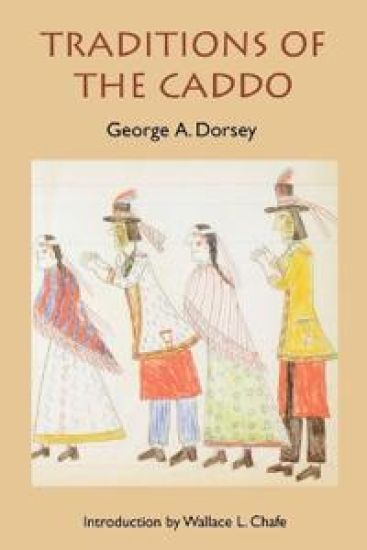
Hernando de Soto encountered the Caddos in the sixteenth century, and survivors of Sieur de La Salle's last voyage in the late seventeenth century gave the first full description of them. By 1903, when George A. Dorsey was investigating their customs and beliefs, the Caddos, numbering 530, were living on a reservation in Oklahoma. The Caddoan tribes, found along the Red River and its tributaries in present-day Louisiana and Arkansas, practiced agriculture long before they hunted buffalo. The tales collected for this book, first published in 1905, reflect the women's horticultural practices (supplemented by the men's hunting), village life distinguished by conical grass lodges, family and social relationships, connection to nature, and ceremonies. The tales vibrate with earthly and unearthly forces: Snake-Woman, who distributes seeds; Coyote, who regulates life after death; the Effeminate Man, who brings strife to the tribe; Coward, son of the Moon; the Man and the Dog who become Stars; the Old Woman who kept all the pecans; Splinter-Foot Boy and Medicine-Screech-Owl; water monsters; animal-people; and cannibals.
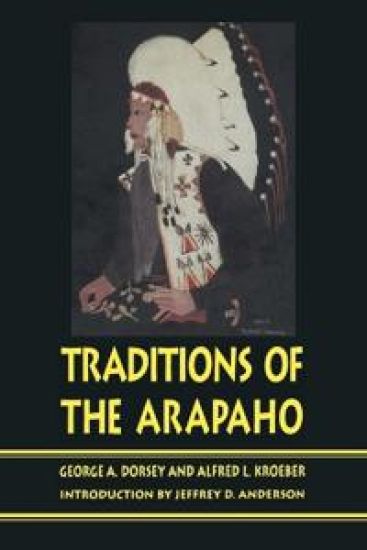
Traditions of the Arapaho
George A. Dorsey; Alfred Kroeber
University of Nebraska Press
1997
pokkari
Anthropologists George A. Dorsey and Alfred L. Kroeber joined forces to record and preserve the rich cultural traditions of the Arapaho Indians, long split into two bands. Dorsey had done fieldwork with the Southern Arapaho after they moved from Colorado to Oklahoma and would soon be known for his study of their Sun Dance. Kroeber had visited the Northern Arapaho, who were still living in Wyoming. Traditions of the Arapaho, first published in 1903, is the result of their collaboration. This collection of tales bears witness to the religious feeling, imagination, and humor of the Arapaho. Beginning with creation myths, Dorsey and Kroeber offer stories about Found-in-Grass, Blood-Clot-Boy, Badger-Woman, Blue-Feather, White Dog, the Rolling Stone, Porcupine, and the Woman Who Climbed to the Sky. Entities marvelous and mundane—water monsters, speckled horses, dancing ducks, cannibalistic dwarves—populate these vibrant tales, where spirit permeates everything, and everything has meaning.
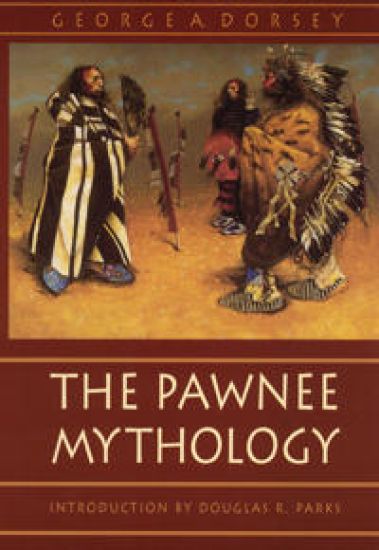
The Pawnee Mythology, originally published in 1906, preserves 148 tales of the Pawnee Indians, who farmed and hunted and lived in earth-covered lodges along the Platte River in Nebraska. The stories, collected from surviving members of four bands—Skidi, Pitahauirat, Kitkehahki, and Chaui—were generally told during intermissions of sacred ceremonies. Many were accompanied by music. George A. Dorsey recorded these Pawnee myths early in the twentieth century after the tribe's traumatic removal from their ancestral homeland to Oklahoma. He included stories of instruction concerning supernatural beings, the importance of revering such gifts as the buffalo and corn, and the results of violating nature. Hero tales, forming another group, usually centered on a poor boy who overcame all odds to benefit the tribe. Other tales invited good fortune, recognized wonderful beings like the witch women and spider women, and explained the origin of medicine powers. Coyote tales were meant to amuse while teaching ethics.
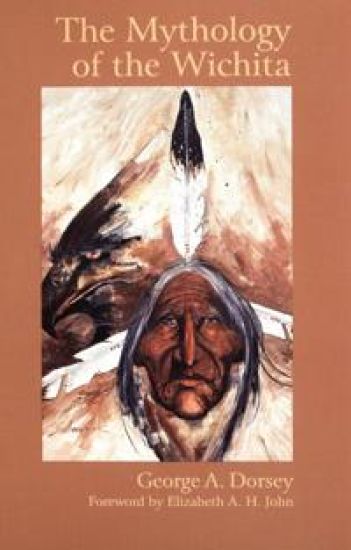
First published in 1904, George A. Dorsey's Mythology of the Wichita is a rich collection of American Indian folklore. WIth the help of a Wichita interpreter, Dorsey gathered sixty tales from the Wichitas living in Oklahoma and arranged them according to the first period, the creation; the second period, transformation; and the third period, the present. For the Wichitas, tale-telling was of great instructional value for the young. The tales taught that braverly and greatness depended upon individual effort, no matter how low or mean might have been the individual's origin, and at the same time, that there might descend upon the child the same longevity and good fortune possessed by the hero of the tale.
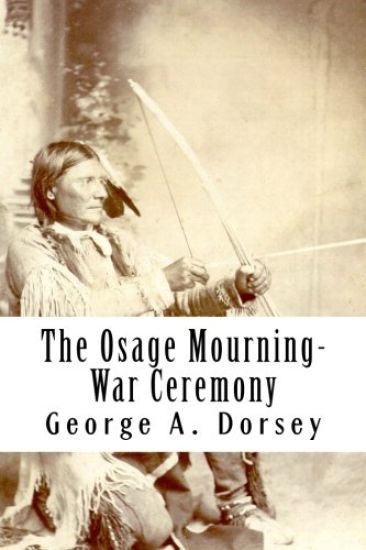
The Osage Mourning-War Ceremony
George a. Dorsey
Createspace Independent Publishing Platform
1902
nidottu