
Kirjailija
George Bird Grinnell
Kirjat ja teokset yhdessä paikassa: 218 kirjaa, julkaisuja vuosilta 1956–2026, suosituimpiin kuuluu Jack, the Young Ranchman; or, A Boy's Adventures in the Rockies. Vertaile teosten hintoja ja tarkista saatavuus suomalaisista kirjakaupoista.
218 kirjaa
Kirjojen julkaisuvuodet: 1956–2026.

Jack in the Rockies or a Boy's Adventures With a Pack Train
George Bird Grinnell; Edwin Willard (ILT) Deming
Kessinger Pub
2006
pokkari



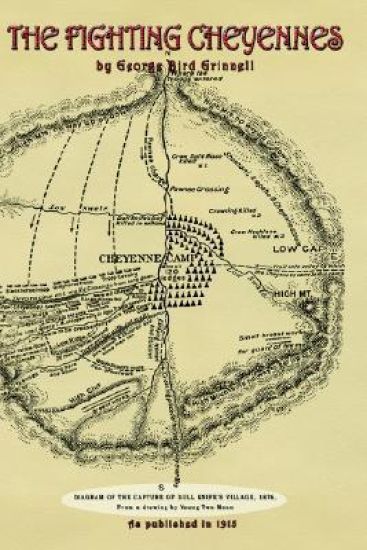
This book deals with the wars of the Cheyennes. A fighting and fearless people, the tribe was almost constantly at war with its neighbors. This account follows the local tribal wars and the eventual Indian wars between the westward moving settlers. A reprint of the 1916 edition an appendix has been added from the Smithsonian Institutions Handbook of North American Indians Bulletin 30.
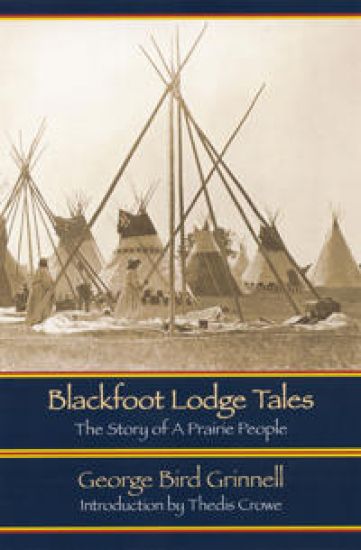
This collection of powerful stories reveals the complex and wondrous world of the Blackfoot nation in the nineteenth century. The thirty tales transcribed by George Bird Grinnell provide an intimate look into Blackfoot culture and philosophy and remind us of tribal values to be upheld and taught. Classic tales of adventure speak of deeds accomplished, and cultural heroes roam across an arresting Native landscape of legend and history. Ancient stories, captured in oral tradition, cast the shadow of the Blackfoot people far into the past and provide foundation and meaning for their lives in the present. The final section of this book is an insightful overview of the history and culture of the Blackfoot Nation. First published in 1892, Blackfoot Lodge Tales is based on George Bird Grinnell's personal interactions with the Blackfoot people. A member of the Blackfeet Tribe and a historian, Thedis Berthelson Crowe provides an indigenous perspective of the Blackfoot Lodge Tales in her new introduction to this edition. Her great-great grandfather, William Russell, served as the Blackfoot interpreter for Grinnell.
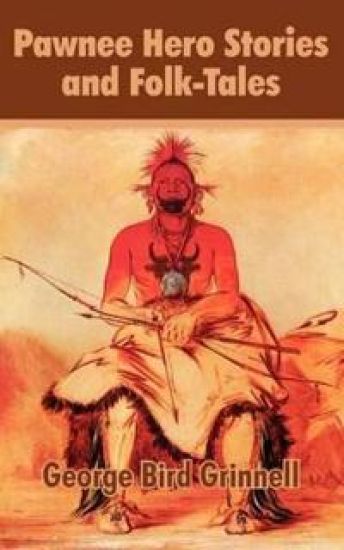
Pawnee Hero Stories and Folk-Tales
George Bird Grinnell
University Press of the Pacific
2003
pokkari

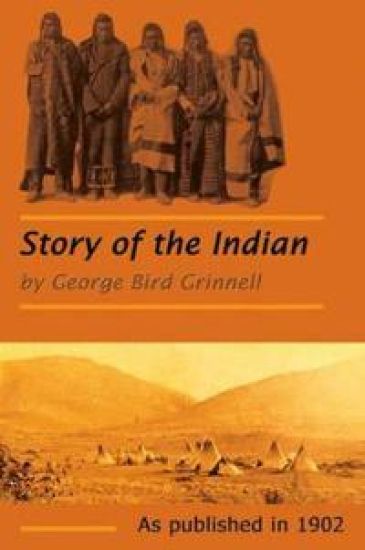
Written at the turn of the century by the founder of the National Audubon Society, Story of the Indian is an attempt to preserve the picturesque and original aspects of our western development when the figures of the real west were the Indian, the explorer, the soldier, the miner, the ranchman, the trapper and the railroad worker. As a famed explorer, naturalist and pioneer conservationist, George Bird Grinnell's knowledge of the west was gained by true-life experiences in ranching, mining and Indian life between Sonora and Vancouver, Texas and Dakota. Intended to be stories of human interest rather than categories of facts, Grinnell, in his writing, takes us to the Indian council and campfire. He shows us how the Indians wooed and fought, hunted and prayed, ate and slept, breathing spirit into the scenes and preserving the qualities of reality. The natives told these stories to Grinnell through an interpreter. His long association with the tribe enabled them to share their thoughts and feelings. He understood that although the red man had savage qualities, the most impressive characteristic of the Indian was his humanity.
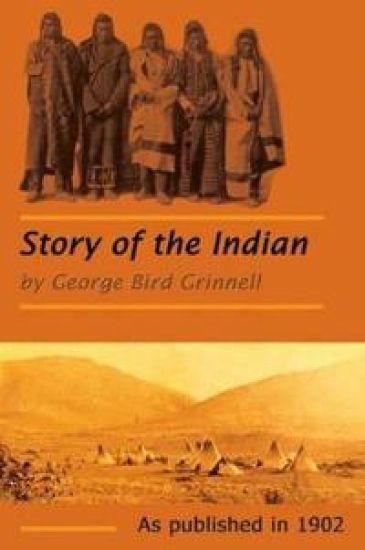
Written at the turn of the century by the founder of the National Audubon Society, Story of the Indian is an attempt to preserve the picturesque and original aspects of our western development when the figures of the real west were the Indian, the explorer, the soldier, the miner, the ranchman, the trapper and the railroad worker. As a famed explorer, naturalist and pioneer conservationist, George Bird Grinnell's knowledge of the west was gained by true-life experiences in ranching, mining and Indian life between Sonora and Vancouver, Texas and Dakota. Intended to be stories of human interest rather than categories of facts, Grinnell, in his writing, takes us to the Indian council and campfire. He shows us how the Indians wooed and fought, hunted and prayed, ate and slept, breathing spirit into the scenes and preserving the qualities of reality. The natives told these stories to Grinnell through an interpreter. His long association with the tribe enabled them to share their thoughts and feelings. He understood that although the red man had savage qualities, the most impressive characteristic of the Indian was his humanity.

These stories come down from very ancient times. Grandfathers told them to their grandchildren, and they to their grandchildren, and so on from mouth to mouth. In 1913, George Bird Grinned, one of the most famous ethnographers of the late nineteenth century, published this volume.
The Punishment of the Stingy and Other Indian Stories
George Bird Grinnell
University of Nebraska Press
1992
pokkari
The Punishment of the Stingy, first published in 1901, has become a classic of American Indian literature. George Bird Grinnell's retelling of Indian tales like "The Star Boy," "The Girl Who Was the Ring," "The First Medicine Lodge," and "Nothing Child" retains the humor and mystery of their sources. Featuring the twin themes of generosity and stinginess, this is the only one of Grinnell's collections to embrace narratives from a number of tribes--Blackfoot, Pawnee, Blood, Piegan, and Chinook. Plucky young heroes emerge from obscurity through their generosity; the closefisted draw down supernatural punishments befitting their cold and hardened spirits. Jarold Ramsey writes, "The history of the Plains Indians as we have it would be unthinkable without the keen eye and honest, diligent pen of George Bird Grinnell. With him, it is still possible after eighty or one hundred years to leap through that historical lightning door that shut so suddenly on the Old West. Among the heroic Pawnees, Cheyennes, Blackfeet, and their neighbors of long ago, stories like these will continue to be our horses, and Grinnell our faithful overland guide."
In the late 1880s the ethnologist and writer George Bird Grinnell visited the Pawnee Agency in Indian Territory. To Eagle Chief, whom he had known for many years, he explained the object of his visit: ""Father, we have come down here to . . . ask the people about how things used to be in the olden times, to hear their stories, to get their history, and then to put all these things down in a book."" The chief meditated for a time and then said: ""It is good and it is time. Already the old things are being lost, and those who know the secrets are many of them dead. . . . The old men told their grandchildren, and they told their grandchildren, and so the secrets and the stories and the doings of long ago have been handed down.""The result of Grinnell's field work was Pawnee Hero Stories and Folk-Tales, first published in 1899. Here are stories about a Pawnee youth who serves as a peacemaker and a warrior's quest for lost joy, and such tales as ""The Dun Horse,"" ""The Bear man,"" ""The Snake Brother,"" and ""The Ghost Wife."" Extended notes describe the origins and migrations of the Pawnees, their customs, methods of warfare, and later history.
The Cheyenne Indians: Their History and Their Ways of Life is a classic ethnography, originally published in 1928, that grew out of George Bird Grinnell's long acquaintance with the Cheyennes. Volume I looks at the tribe's early history and migrations, customs, domestic life, social organization, hunting, amusements, and government. In a second volume, Grinnell would consider its warmaking and warrior societies, healing practices and responses to European diseases, religious beliefs and rituals, and legends and prophecies surrounding the culture hero Sweet Medicine.
The Cheyenne Indians: Their History and Their Ways of Life is a classic ethnography, originally published in 1928, that grew out of George Bird Grinnell's long acquaintance with the Cheyennes. In Volume I he wrote about the tribe's early history and migrations, customs, domestic life, social organization, hunting, amusements, and government. Volume II looks at its warmaking and warrior societies, healing practices and responses to European diseases, religious beliefs and rituals, and legends and prophecies surrounding the culture hero Sweet Medicine. Included are appendixes on early Cheyenne village sites, the formation of the Quilling Society, and notes on Cheyenne songs.
Here are the folk tales of the Cheyenne--stories of their heroes, their wars, their relationships with supernatural powers--as told to George Bird Grinnell during the winter months in Cheyenne tipis. "Of all the books written about Indians," say Margaret Mead and Ruth L. Benzel in The Golden Age of American Anthropology, "none comes closer to their everyday life than Grinnell's classic monograph on the Cheyenne. Reading it, one can smell the buffalo grass and the wood fires, feel the heavy morning dew on the prairie."
"A long association with the Cheyennes has given me a special interest in them, and a special wish that they should be allowed to speak for themselves. What the Indians saw in the battles here described, I have learned during years of intimate acquaintance with those who took part in them."-George Bird Grinnell. Without critical comment or biased judgement, George Bird Grinnell-one of the truly great historians of the American Indian-has recorded the major battles that the Cheyennes fought. In this account the entire gallery of the heroic Cheyenne chiefs and warriors-Roman Nose and Black Kettle and Dull Knife and many others-emerge in full color as they strive against the greatest enemy of all: the failure of the white man to understand and appreciate their way of life and his ignorance of their real capacity for peace and cooperation. "[Grinnell's] integrity, sincerity, sympathy, and understanding made him welcome in every tipi. . . . He was one of the very few historians who knew how to get authentic information from Indians, and how to present things as they saw them in readable form."-Stanley Vestal in the foreword. George Bird Grinnell was a man of diverse talents-editor, author, traveler, and scientist. Born in 1849, he became, by turn of the century, one of the best-known and most popular interpreters of the American Indian.