Kirjojen hintavertailu – 12 903 733 kirjaa ja 27 kauppaa
Kirjailija
George C. Edwards III
Kirjat ja teokset yhdessä paikassa: 9 kirjaa, julkaisuja vuosilta 2021–2026, suosituimpiin kuuluu Presidential Leadership. Vertaile teosten hintoja ja tarkista saatavuus suomalaisista kirjakaupoista.
Nimi esiintyy myös muodoissa: George C. Edwards III
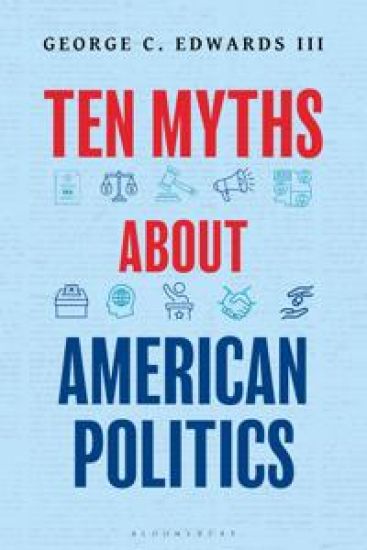
In this book, George C. Edwards III dispels many popular misconceptions about American politics and public policy, challenging what many people hold to be self-evident. Edwards starts by outlining common, often prevailing understandings of crucial issues--such as who pays taxes, how much we spend on foreign aid, or how free speech actually is--then shows readers how these views are inaccurate and harmful. Appealing to the widespread fascination with debunking myths, this engaging book arms readers with important information on key issues in American political life that will last them a lifetime.
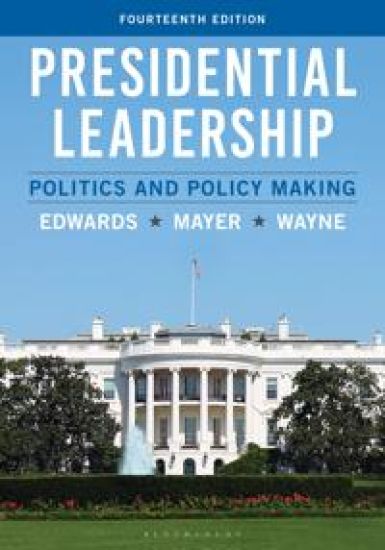
Long established as a leading introduction to the American presidency, Presidential Leadership, Fourteenth Edition, provides students with a comprehensive survey that addresses the capacity of chief executives to fulfill their tasks, exercise their powers, and utilize their organizational structures to affect the output of government. The authors examine all aspects of the presidency in rich detail, including presidential powers, presidential history, and the institution of the presidency. Edwards, Mayer, and Wayne analyze the institution and the presidents who hold the office through the key lens of leadership. The authors explain the leadership dilemma presidents face and their institutional, political, and personal capacities to meet it. Two models of presidential leadership help students understand the institution: one in which a strong president dominates the political environment as a director of change, and another in which the president performs a more limited role as facilitator of change. Each model provides an insightful perspectives to better understand leadership in the modern presidency and to evaluate the performance of individual presidents. With no simple formula for presidential success, and no partisan perspective driving the analysis, the authors help us understand that presidents and citizens alike must understand the nature of presidential leadership in a pluralistic system in which separate institutions share powers. The fourteenth edition is fully updated through the start of Trump’s second administration, with recent policy developments, the 2024 elections, changes to the media environment, and the latest data. In addition, material from the prior edition’s chapter on domestic and economic policy has been incorporated into other chapters for an overall briefer text.
Long established as a leading introduction to the American presidency, Presidential Leadership, Fourteenth Edition, provides students with a comprehensive survey that addresses the capacity of chief executives to fulfill their tasks, exercise their powers, and utilize their organizational structures to affect the output of government. The authors examine all aspects of the presidency in rich detail, including presidential powers, presidential history, and the institution of the presidency. Edwards, Mayer, and Wayne analyze the institution and the presidents who hold the office through the key lens of leadership. The authors explain the leadership dilemma presidents face and their institutional, political, and personal capacities to meet it. Two models of presidential leadership help students understand the institution: one in which a strong president dominates the political environment as a director of change, and another in which the president performs a more limited role as facilitator of change. Each model provides an insightful perspectives to better understand leadership in the modern presidency and to evaluate the performance of individual presidents. With no simple formula for presidential success, and no partisan perspective driving the analysis, the authors help us understand that presidents and citizens alike must understand the nature of presidential leadership in a pluralistic system in which separate institutions share powers. The fourteenth edition is fully updated through the start of Trump’s second administration, with recent policy developments, the 2024 elections, changes to the media environment, and the latest data. In addition, material from the prior edition’s chapter on domestic and economic policy has been incorporated into other chapters for an overall briefer text.
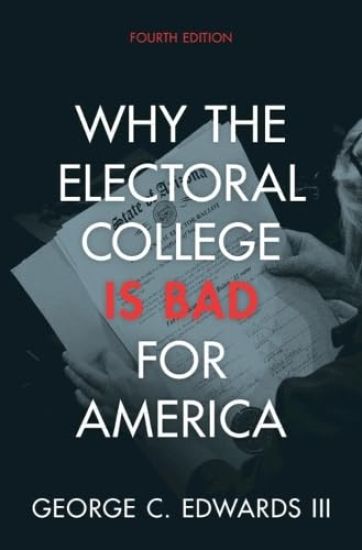
The electoral college is the extraordinarily complex mechanism by which Americans choose their president. Is there any justification for such a system, which may elect the candidate who does not receive the most votes? Today, with two of the last five presidential elections having gone to the popular vote loser and the debacle following the 2020 election, the electoral college's flaws are more apparent than ever. In this fourth edition of the definitive book on the electoral college, George Edwards employs rigorous analysis and systemic data to show how the system violates core democratic principles and does not provide the benefits its advocates claim. With a new chapter focusing on the 2020 election, Edwards addresses justifications for the electoral college that were popular among Trump supporters following the 2016 and 2020 elections. Edwards concludes by offering a straightforward approach to selecting the president that maximizes political equality.
The electoral college is the extraordinarily complex mechanism by which Americans choose their president. Is there any justification for such a system, which may elect the candidate who does not receive the most votes? Today, with two of the last five presidential elections having gone to the popular vote loser and the debacle following the 2020 election, the electoral college's flaws are more apparent than ever. In this fourth edition of the definitive book on the electoral college, George Edwards employs rigorous analysis and systemic data to show how the system violates core democratic principles and does not provide the benefits its advocates claim. With a new chapter focusing on the 2020 election, Edwards addresses justifications for the electoral college that were popular among Trump supporters following the 2016 and 2020 elections. Edwards concludes by offering a straightforward approach to selecting the president that maximizes political equality.
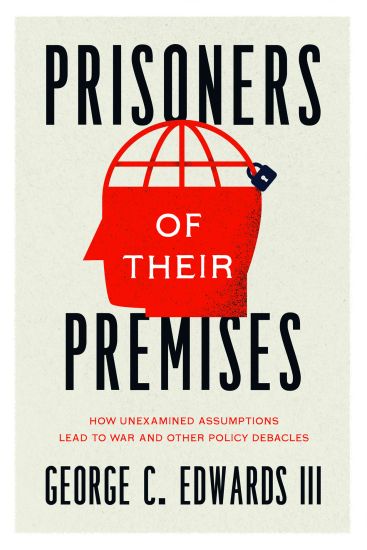
A timely look at the real costs of leaders not examining their assumptions. Why do accomplished and stable leaders frequently make calamitous decisions with devastating consequences for their countries—and other nations? We debate debacles such as the American involvement in Vietnam, seeking to understand why leaders pursued disastrous policies. In Prisoners of Their Premises, George C. Edwards III argues that the failure of leaders to examine their premises—the assumptions they make about the world and situation they are dealing with—cause them to ignore real problems or pursue policies that, in costly ways, deal with problems that are different than they think or simply don’t exist. Edwards looks at the role of premises in identifying (or ignoring) a problem in a series of case studies that range from strategic decisions in World War I and the Korean War to the wars in Vietnam and Iraq. Too often, unexamined premises color initial decisions to pursue a policy and shape the strategies leaders employ to achieve their goals, with grave consequences for their countries, organizations, and potentially the world. Timely and important, Prisoners of Their Premises demonstrates the real costs leaders incur by failing to question their assumptions.
A timely look at the real costs of leaders not examining their assumptions. Why do accomplished and stable leaders frequently make calamitous decisions with devastating consequences for their countries—and other nations? We debate debacles such as the American involvement in Vietnam, seeking to understand why leaders pursued disastrous policies. In Prisoners of Their Premises, George C. Edwards III argues that the failure of leaders to examine their premises—the assumptions they make about the world and situation they are dealing with—cause them to ignore real problems or pursue policies that, in costly ways, deal with problems that are different than they think or simply don’t exist. Edwards looks at the role of premises in identifying (or ignoring) a problem in a series of case studies that range from strategic decisions in World War I and the Korean War to the wars in Vietnam and Iraq. Too often, unexamined premises color initial decisions to pursue a policy and shape the strategies leaders employ to achieve their goals, with grave consequences for their countries, organizations, and potentially the world. Timely and important, Prisoners of Their Premises demonstrates the real costs leaders incur by failing to question their assumptions.
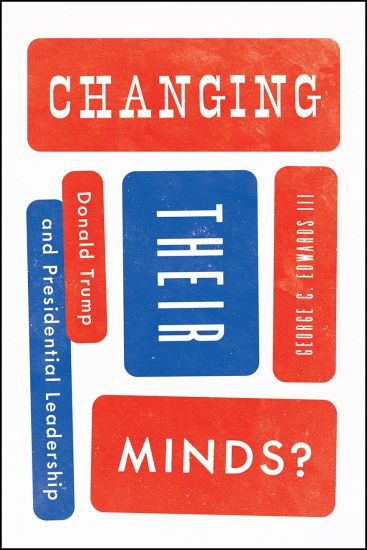
Despite popular perceptions, presidents rarely succeed in persuading either the public or members of Congress to change their minds and move from opposition to particular policies to support of them. As a result, the White House is not able to alter the political landscape and create opportunities for change. Instead, successful presidents recognize and skillfully exploit the opportunities already found in their political environments. If they fail to understand their strategic positions, they are likely to overreach and experience political disaster. Donald Trump has been a distinctive president, and his arrival in the Oval Office brought new questions. Could someone with his decades of experience as a self-promoter connect with the public and win its support? Could a president who is an experienced negotiator obtain the support in Congress needed to pass his legislative programs? Would we need to adjust the theory of presidential leadership to accommodate a president with unique persuasive skills? Building on decades of research and employing extensive new data, George C. Edwards III addresses these questions. He finds that President Trump has been no different than other presidents in being constrained by his environment. He moved neither the public nor Congress. Even for an experienced salesman and dealmaker, presidential power is still not the power to persuade. Equally important was the fact that, as Edwards shows, Trump was not able to exploit the opportunities he had. In fact, we learn here that the patterns of the president’s rhetoric and communications and his approach to dealing with Congress ultimately lessened his chances of success. President Trump, it turns out, was often his own agenda’s undoing.
Despite popular perceptions, presidents rarely succeed in persuading either the public or members of Congress to change their minds and move from opposition to particular policies to support of them. As a result, the White House is not able to alter the political landscape and create opportunities for change. Instead, successful presidents recognize and skillfully exploit the opportunities already found in their political environments. If they fail to understand their strategic positions, they are likely to overreach and experience political disaster. Donald Trump has been a distinctive president, and his arrival in the Oval Office brought new questions. Could someone with his decades of experience as a self-promoter connect with the public and win its support? Could a president who is an experienced negotiator obtain the support in Congress needed to pass his legislative programs? Would we need to adjust the theory of presidential leadership to accommodate a president with unique persuasive skills? Building on decades of research and employing extensive new data, George C. Edwards III addresses these questions. He finds that President Trump has been no different than other presidents in being constrained by his environment. He moved neither the public nor Congress. Even for an experienced salesman and dealmaker, presidential power is still not the power to persuade. Equally important was the fact that, as Edwards shows, Trump was not able to exploit the opportunities he had. In fact, we learn here that the patterns of the president’s rhetoric and communications and his approach to dealing with Congress ultimately lessened his chances of success. President Trump, it turns out, was often his own agenda’s undoing.