

Kirjojen hintavertailu – 12 903 725 kirjaa ja 27 kauppaa

Kirjailija

George Demiris

Kirjat ja teokset yhdessä paikassa: 2 kirjaa, julkaisuja vuosilta 2017–2018, suosituimpiin kuuluu Behavioral Intervention Research in Hospice and Palliative Care. Vertaile teosten hintoja ja tarkista saatavuus suomalaisista kirjakaupoista.

2 kirjaa

Kirjojen julkaisuvuodet: 2017–2018.

Behavioral Intervention Research in Hospice and Palliative Care

Behavioral Intervention Research in Hospice and Palliative Care

George Demiris; Debra Parker Oliver; Karla T. Washington

Academic Press Inc
2018
nidottu
Behavioral Intervention Research in Hospice and Palliative Care: Building an Evidence Base sets forth research considerations and guidelines to build evidence-based interventions to improve end-of-life care. It is an in-depth introduction to implementation research and showcases how a clinical need is identified to inform an intervention. The book extensively examines the various phases of intervention research, including design, implementation, evaluation, dissemination and translation. The book focuses on methodological, ethical and practical issues. The science behind the quality of hospice and palliative care lags behind that of traditional medical practice, despite the continuous growth of palliative care interdisciplinary teams. Researching, developing and testing strategies is essential to advancing the effectiveness and value of this care.
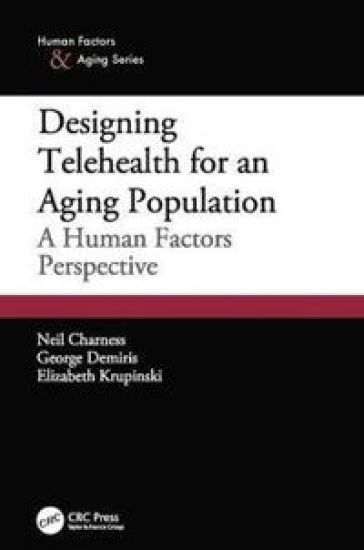
Designing Telehealth for an Aging Population

Designing Telehealth for an Aging Population

Neil Charness; George Demiris; Elizabeth Krupinski

CRC Press
2017
sidottu
As simple and straightforward as two health professionals conferring over the telephone or as complex and sophisticated as robotic surgery between facilities at different ends of the globe, telehealth is an increasingly frequent component in healthcare. A primer on the human factors issues that can influence how older adults interact with telehealth systems, Designing Telehealth for an Aging Population: A Human Factors Perspective examines the new ways patients and healthcare providers communicate to achieve the same or better outcomes than with traditional face-to-face healthcare. The authors examine older adult capabilities and provide standards and guidelines for telehealth design, enlivened by clinical examples and tutorials on human factors methodologies. They take a systematic look at how the use of human factors principles can facilitate the successful development, deployment, and maintenance of telehealth technology to better serve the aging population. The authors have carefully stayed away from academic writing, distilling their experience in the form of basic observations and principles drawn from their work. They include suggested readings at the end of each chapter that supply the research underpinning their recommendations. The first reference to cover older adult users in an area that will only get bigger, this book sets itself apart by providing focused coverage of the human factors issues specific to aging populations and practical advice on how to accommodate them.