
Kirjailija
George Eliot
Kirjat ja teokset yhdessä paikassa: 1 112 kirjaa, julkaisuja vuosilta 1863–2026, suosituimpiin kuuluu Förfärande kvinnor : gotisk skräck från Brontë till Gilman i urval och översättning av KG Johansson. Vertaile teosten hintoja ja tarkista saatavuus suomalaisista kirjakaupoista.
1 112 kirjaa
Kirjojen julkaisuvuodet: 1863–2026.
Felix Holt, the radical. By: George Eliot (Volume 3), in three volume: Social novel
George Eliot
Createspace Independent Publishing Platform
2017
nidottu
Adam Bede (1859).By: George Eliot (the pen name of Mary Ann Evans): Adam Bede, the first novel written by George Eliot.
George Eliot
Createspace Independent Publishing Platform
2017
nidottu
Felix Holt, the radical. By: George Eliot (Volume 1), in three volume: Social novel, illustrated By: Frank T. Merrill (1848-1936).
Frank T. Merrill; George Eliot
Createspace Independent Publishing Platform
2017
nidottu
Felix Holt, the Radical (1866) is a social novel written by George Eliot about political disputes in a small English town at the time of the First Reform Act of 1832. In January 1868, Eliot penned an article entitled "Address to Working Men, by Felix Holt". This came on the heels of the Second Reform Act of 1867 which expanded the right to vote beyond the landed classes and was written in the character of, and signed by, Felix Holt. Plot: As the story starts, the reader is introduced to the fictitious community of Treby in the English Midlands in 1832, around the time of the First Reform Act. Harold Transome, a local landowner, has returned home after a fifteen-year trading career in the Far East. Wealthy from trade, he stands for election to Parliament from the county seat of North Loamshire. But contrary to his family's Tory traditions, he intends to stand as a Radical. This alienates him from his traditional allies and causes despair for his mother, Mrs. Transome. Harold Transome gains the support of his Tory uncle, the Rector of Little Treby, and enlists the help of his family lawyer, Matthew Jermyn, as an electioneering agent. Much of his electioneering is focused in Treby Magna. In this village resides Felix Holt, who has recently returned from extensive travels in Glasgow to live with his mother. He meets with Rev. Rufus Lyon, a Dissenting minister in Treby Magna, and his stepdaughter, Esther. Felix and Mr. Lyon become ready friends, but he appears to treat Esther with condescension. Felix and Rev. Lyon both appear aligned to the Radical cause. Harold Transome learns that Jermyn has been mismanaging the Transome estate and embezzling money for himself. Transome remains silent during the election, yet Jermyn tries to devise a plan to save himself from future prosecution. Meanwhile, Felix witnesses some electioneering for the Radical cause in the nearby mining town of Sproxton. He is upset with the 'treating' of workers with beer in exchange for their vocal support. Felix relays his concerns to Harold Transome, who chastises John Johnson for his electioneering methods. However, Jermyn convinces Transome not to interfere. Rev. Lyon learns from Maurice Christian, servant of Philip Debarry, about the possible identity of Esther's biological father. Rev. Lyon decides to tell Esther the truth about her father. Esther's outlook on life changes upon finding that she is in fact Rev. Lyon's stepdaughter. Her relationship with her stepfather deepens, while she also desires to emulate the high moral standards impressed upon her by Felix Holt. Seeing the change in Esther's character, Felix Holt begins to fall in love with her. However, both share the feeling that they are destined never to marry each other. Meanwhile, Rev. Lyon challenges Rev. Augustus Debarry to a theological debate. The debate is initially agreed to, but is cancelled at the last minute.... Frank Thayer Merrill (1848-1936). Mary Anne Evans (22 November 1819 - 22 December 1880; alternatively "Mary Ann" or "Marian"), known by her pen name George Eliot, was an English novelist, poet, journalist, translator and one of the leading writers of the Victorian era. She is the author of seven novels, including Adam Bede (1859), The Mill on the Floss (1860), Silas Marner (1861), Felix Holt, the Radical (1866), Middlemarch (1871-72), and Daniel Deronda (1876), most of which are set in provincial England and known for their realism and psychological insight. She used a male pen name, she said, to ensure that her works would be taken seriously. Female authors were published under their own names during Eliot's life, but she wanted to escape the stereotype of women writing only lighthearted romances. She also wished to have her fiction judged separately from her already extensive and widely known work as an editor and critic.
Felix Holt, the radical. By: George Eliot (Volume 2), in three volume: Social novel, illustrated By: Frank T. Merrill (1848-1936).
Frank T. Merrill; George Eliot
Createspace Independent Publishing Platform
2017
nidottu
Felix Holt, the Radical (1866) is a social novel written by George Eliot about political disputes in a small English town at the time of the First Reform Act of 1832. In January 1868, Eliot penned an article entitled "Address to Working Men, by Felix Holt". This came on the heels of the Second Reform Act of 1867 which expanded the right to vote beyond the landed classes and was written in the character of, and signed by, Felix Holt. Plot: As the story starts, the reader is introduced to the fictitious community of Treby in the English Midlands in 1832, around the time of the First Reform Act. Harold Transome, a local landowner, has returned home after a fifteen-year trading career in the Far East. Wealthy from trade, he stands for election to Parliament from the county seat of North Loamshire. But contrary to his family's Tory traditions, he intends to stand as a Radical. This alienates him from his traditional allies and causes despair for his mother, Mrs. Transome. Harold Transome gains the support of his Tory uncle, the Rector of Little Treby, and enlists the help of his family lawyer, Matthew Jermyn, as an electioneering agent. Much of his electioneering is focused in Treby Magna. In this village resides Felix Holt, who has recently returned from extensive travels in Glasgow to live with his mother. He meets with Rev. Rufus Lyon, a Dissenting minister in Treby Magna, and his stepdaughter, Esther. Felix and Mr. Lyon become ready friends, but he appears to treat Esther with condescension. Felix and Rev. Lyon both appear aligned to the Radical cause. Harold Transome learns that Jermyn has been mismanaging the Transome estate and embezzling money for himself. Transome remains silent during the election, yet Jermyn tries to devise a plan to save himself from future prosecution. Meanwhile, Felix witnesses some electioneering for the Radical cause in the nearby mining town of Sproxton. He is upset with the 'treating' of workers with beer in exchange for their vocal support. Felix relays his concerns to Harold Transome, who chastises John Johnson for his electioneering methods. However, Jermyn convinces Transome not to interfere. Rev. Lyon learns from Maurice Christian, servant of Philip Debarry, about the possible identity of Esther's biological father. Rev. Lyon decides to tell Esther the truth about her father. Esther's outlook on life changes upon finding that she is in fact Rev. Lyon's stepdaughter. Her relationship with her stepfather deepens, while she also desires to emulate the high moral standards impressed upon her by Felix Holt. Seeing the change in Esther's character, Felix Holt begins to fall in love with her. However, both share the feeling that they are destined never to marry each other. Meanwhile, Rev. Lyon challenges Rev. Augustus Debarry to a theological debate. The debate is initially agreed to, but is cancelled at the last minute.... Frank Thayer Merrill (1848-1936). Mary Anne Evans (22 November 1819 - 22 December 1880; alternatively "Mary Ann" or "Marian"), known by her pen name George Eliot, was an English novelist, poet, journalist, translator and one of the leading writers of the Victorian era. She is the author of seven novels, including Adam Bede (1859), The Mill on the Floss (1860), Silas Marner (1861), Felix Holt, the Radical (1866), Middlemarch (1871-72), and Daniel Deronda (1876), most of which are set in provincial England and known for their realism and psychological insight. She used a male pen name, she said, to ensure that her works would be taken seriously. Female authors were published under their own names during Eliot's life, but she wanted to escape the stereotype of women writing only lighthearted romances. She also wished to have her fiction judged separately from her already extensive and widely known work as an editor and critic.
Felix Holt, the radical. By: George Eliot (Complete set Volume 1,2 and 3), in three volume: Social novel, illustrated By: Frank T. Merrill (1848-1936)
Frank T. Merrill; George Eliot
Createspace Independent Publishing Platform
2017
nidottu
Felix Holt, the Radical (1866) is a social novel written by George Eliot about political disputes in a small English town at the time of the First Reform Act of 1832. In January 1868, Eliot penned an article entitled "Address to Working Men, by Felix Holt". This came on the heels of the Second Reform Act of 1867 which expanded the right to vote beyond the landed classes and was written in the character of, and signed by, Felix Holt. Plot: As the story starts, the reader is introduced to the fictitious community of Treby in the English Midlands in 1832, around the time of the First Reform Act. Harold Transome, a local landowner, has returned home after a fifteen-year trading career in the Far East. Wealthy from trade, he stands for election to Parliament from the county seat of North Loamshire. But contrary to his family's Tory traditions, he intends to stand as a Radical. This alienates him from his traditional allies and causes despair for his mother, Mrs. Transome. Harold Transome gains the support of his Tory uncle, the Rector of Little Treby, and enlists the help of his family lawyer, Matthew Jermyn, as an electioneering agent. Much of his electioneering is focused in Treby Magna. In this village resides Felix Holt, who has recently returned from extensive travels in Glasgow to live with his mother. He meets with Rev. Rufus Lyon, a Dissenting minister in Treby Magna, and his stepdaughter, Esther. Felix and Mr. Lyon become ready friends, but he appears to treat Esther with condescension. Felix and Rev. Lyon both appear aligned to the Radical cause. Harold Transome learns that Jermyn has been mismanaging the Transome estate and embezzling money for himself. Transome remains silent during the election, yet Jermyn tries to devise a plan to save himself from future prosecution. Meanwhile, Felix witnesses some electioneering for the Radical cause in the nearby mining town of Sproxton. He is upset with the 'treating' of workers with beer in exchange for their vocal support. Felix relays his concerns to Harold Transome, who chastises John Johnson for his electioneering methods. However, Jermyn convinces Transome not to interfere. Rev. Lyon learns from Maurice Christian, servant of Philip Debarry, about the possible identity of Esther's biological father. Rev. Lyon decides to tell Esther the truth about her father. Esther's outlook on life changes upon finding that she is in fact Rev. Lyon's stepdaughter. Her relationship with her stepfather deepens, while she also desires to emulate the high moral standards impressed upon her by Felix Holt. Seeing the change in Esther's character, Felix Holt begins to fall in love with her. However, both share the feeling that they are destined never to marry each other. Meanwhile, Rev. Lyon challenges Rev. Augustus Debarry to a theological debate. The debate is initially agreed to, but is cancelled at the last minute.... Frank Thayer Merrill (1848-1936). Mary Anne Evans (22 November 1819 - 22 December 1880; alternatively "Mary Ann" or "Marian"), known by her pen name George Eliot, was an English novelist, poet, journalist, translator and one of the leading writers of the Victorian era. She is the author of seven novels, including Adam Bede (1859), The Mill on the Floss (1860), Silas Marner (1861), Felix Holt, the Radical (1866), Middlemarch (1871-72), and Daniel Deronda (1876), most of which are set in provincial England and known for their realism and psychological insight. She used a male pen name, she said, to ensure that her works would be taken seriously. Female authors were published under their own names during Eliot's life, but she wanted to escape the stereotype of women writing only lighthearted romances. She also wished to have her fiction judged separately from her already extensive and widely known work as an editor and critic.


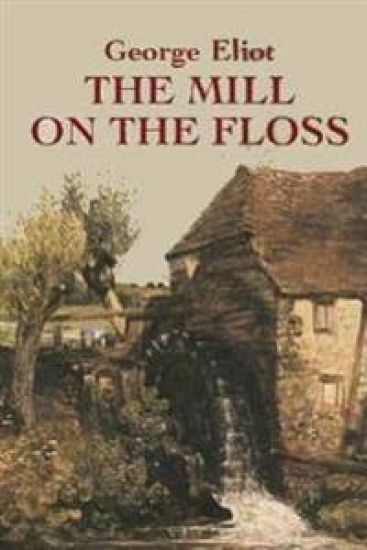
The Mill on the Floss (1860). By: George Eliot: The novel details the lives of Tom and Maggie Tulliver, a brother and sister growing up on the fiction
George Eliot
Createspace Independent Publishing Platform
2017
nidottu
The novel details the lives of Tom and Maggie Tulliver, a brother and sister growing up on the fictional river Floss near the fictional village of St. Oggs, evidently in the 1820's, after the Napoleonic Wars but prior to the first Reform Bill (1832). The novel spans a period of 10-15 years, from Tom and Maggie's childhood up until their deaths in a flood on the Floss. The book is loosely autobiographical, reflecting the disgrace that George Eliot (Mary Ann Evans) herself had while in a relationship with a married man. The novel spans a period of 10 to 15 years and details the lives of Tom and Maggie Tulliver, siblings growing up at Dorlcote Mill on the River Floss at its junction with the more minor River Ripple near the village of St. Ogg's in Lincolnshire, England. Both the river 1] and the village are fictional. The novel is most probably set in the 1820s - a number of historical references place the events in the book after the Napoleonic Wars but before the Reform Act of 1832. 2] citation needed] It includes autobiographical elements, and reflects citation needed] the disgrace that George Eliot (Mary Ann Evans) herself experienced while in a lengthy relationship with a married man, citation needed] George Henry Lewes. Maggie Tulliver is the central character of the book. The story begins when she is 9 years old, 13 years into her parents' marriage. Her relationship with her older brother Tom, and her romantic relationships with Philip Wakem (a hunchbacked, sensitive, and intellectual friend) and with Stephen Guest (a vivacious young socialite in St. Ogg's and assumed fianc of Maggie's cousin Lucy Deane) constitute the most significant narrative threads. Tom and Maggie have a close yet complex bond, which continues throughout the novel. Their relationship is coloured by Maggie's desire to recapture the unconditional love her father provides before his death. Tom's pragmatic and reserved nature clashes with Maggie's idealism and fervor for intellectual gains and experience. Various family crises, including bankruptcy, Mr. Tulliver's rancorous relationship with Philip Wakem's father, which results in the loss of the mill, and Mr. Tulliver's untimely death, serve both to intensify Tom's and Maggie's differences and to highlight their love for each other. To help his father repay his debts, Tom leaves school to enter a life of business. He eventually finds a measure of success, restoring the family's former estate. Meanwhile, Maggie languishes in the impoverished Tulliver home, her intellectual aptitude wasted in her socially isolated state. She passes through a period of intense spirituality, during which she renounces the world, spurred by Thomas Kempis's The Imitation of Christ......... Mary Anne Evans (22 November 1819 - 22 December 1880; alternatively "Mary Ann" or "Marian"), known by her pen name George Eliot, was an English novelist, poet, journalist, translator and one of the leading writers of the Victorian era. She is the author of seven novels, including Adam Bede (1859), The Mill on the Floss (1860), Silas Marner (1861), Felix Holt, the Radical (1866), Middlemarch (1871-72), and Daniel Deronda (1876), most of which are set in provincial England and known for their realism and psychological insight. She used a male pen name, she said, to ensure that her works would be taken seriously. Female authors were published under their own names during Eliot's life, but she wanted to escape the stereotype of women writing only lighthearted romances. She also wished to have her fiction judged separately from her already extensive and widely known work as an editor and critic. An additional factor in her use of a pen name may have been a desire to shield her private life from public scrutiny and to prevent scandals attending her relationship with the married George Henry Lewes, with whom she lived for over 20 years.
The Mill on the Floss (1860) by: George Eliot ( NOVEL )
George Eliot
Createspace Independent Publishing Platform
2017
nidottu
Silas Marner: The Weaver of Raveloe (1907) by George Eliot. ( NOVEL )
George Eliot
Createspace Independent Publishing Platform
2017
nidottu
Daniel Deronda (1876) by: George Eliot. ( NOVEL )
George Eliot
Createspace Independent Publishing Platform
2017
nidottu
The Lifted Veil (1859) by: George Eliot ( NOVEL )
George Eliot
Createspace Independent Publishing Platform
2017
nidottu
Adam Bede (1859) by: George Eliot ( NOVEL ) ( SET IN THREE VOLUME ) complete
George Eliot
Createspace Independent Publishing Platform
2017
nidottu
Scenes of Clerical Life (1858) by: George Eliot. ( collection of three stories )
George Eliot
Createspace Independent Publishing Platform
2017
nidottu
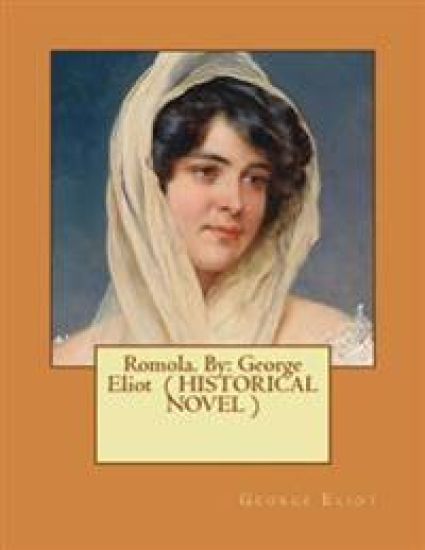
Romola. By: George Eliot ( HISTORICAL NOVEL )
George Eliot
Createspace Independent Publishing Platform
2017
nidottu
Romola (1862-63) is a historical novel by George Eliot set in the fifteenth century, and is "a deep study of life in the city of Florence from an intellectual, artistic, religious, and social point of view". It first appeared in fourteen parts published in Cornhill Magazine from July 1862 (vol. 6, no. 31) to August 1863 (vol. 8, no. 44). The story takes place amidst actual historical events during the Italian Renaissance, and includes in its plot several notable figures from Florentine history.