Kirjailija
George Moore
Kirjat ja teokset yhdessä paikassa: 378 kirjaa, julkaisuja vuosilta 1996–2026, suosituimpiin kuuluu Vale. Vertaile teosten hintoja ja tarkista saatavuus suomalaisista kirjakaupoista.
378 kirjaa
Kirjojen julkaisuvuodet: 1996–2026.
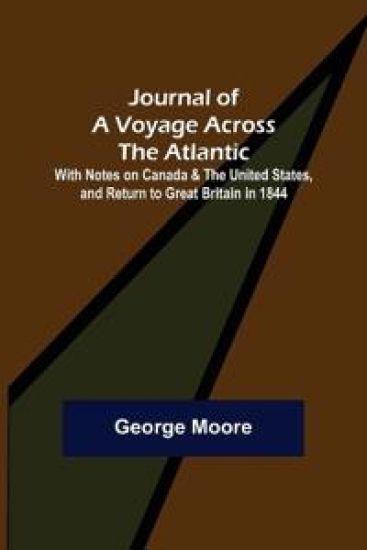
Journal of a Voyage across the Atlantic; With Notes on Canada & the United States, and Return to Great Britain in 1844
George Moore
ALPHA EDITION
2021
pokkari
This book has been considered important throughout the human history, and so that this work is never forgotten we have made efforts in its preservation by republishing this book in a modern format for present and future generations. This whole book has been reformatted, retyped and designed. These books are not made of scanned copies of their original work and hence the text is clear and readable.
The First Man and His Place in Creation - considered on the Principles of Science and Common Sense from a Christian Point of View is an unchanged, high-quality reprint of the original edition of 1866. Hansebooks is editor of the literature on different topic areas such as research and science, travel and expeditions, cooking and nutrition, medicine, and other genres. As a publisher we focus on the preservation of historical literature. Many works of historical writers and scientists are available today as antiques only. Hansebooks newly publishes these books and contributes to the preservation of literature which has become rare and historical knowledge for the future.
This book has been considered by academicians and scholars of great significance and value to literature. This forms a part of the knowledge base for future generations. So that the book is never forgotten we have represented this book in a print format as the same form as it was originally first published. Hence any marks or annotations seen are left intentionally to preserve its true nature.
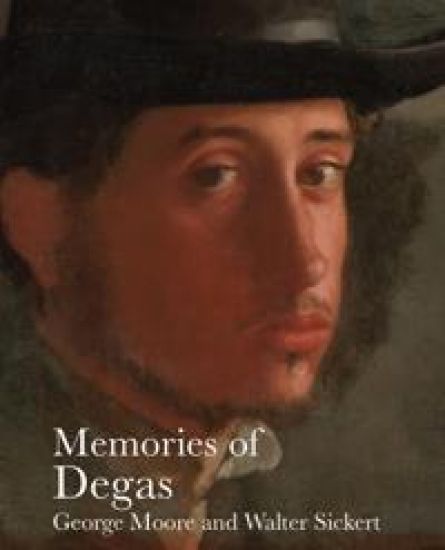
Degas was a celebrity in Britain in his lifetime, thanks originally to George Moore's pioneering essay, The Painter of Modern Life. When Degas died Moore reprised the essay with some further recollections, in part as a riposte to the memoir published by Degas's great admirer and follower, Walter Sickert. Sickert's essay, sparkling, engaged, witty and occasionally combative, is amongst the best of his writings. Together these memoirs represent some of the most vivid responses to Impressionism in English - as well as painting an intimate picture of arguably the most important and most influential - and the most humane - of the painters of the later 19th century. Hitherto difficult to find, these essays are reprinted here with an introduction by Anna Gruetzner Robins and are illustrated with 30 pages of colour plates covering the span of Degas's dazzling career.
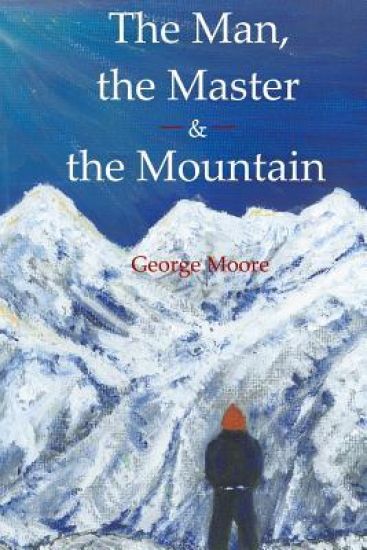
For Josh, a troubled and lost young Londoner, falling out with his best friend and an emotional breakup with his girlfriend turn his whole world upside down. Only Sumesh, the master of his local Buddhist centre, can provide the answers he so badly craves... In Sydney, too, all is not well. A close encounter with yet another casual fling very nearly puts Zoe's life in danger, prompting her to seriously question her life's direction and whether she can carry on living a lie. The answer to their troubles seems to be the alluring and enigmatic Nepal. As Josh finds out about a temple reported to grant instant enlightenment to all who enter, he leaves his life in London behind without a second thought. Zoe, hounded by otherworldly visions, just as quickly heads for the Himalayas in search of revelation. Yet all is not quite as it seems. As mysteries and long-hidden secrets are unravelled, will Josh and Zoe find the truth they are looking for?



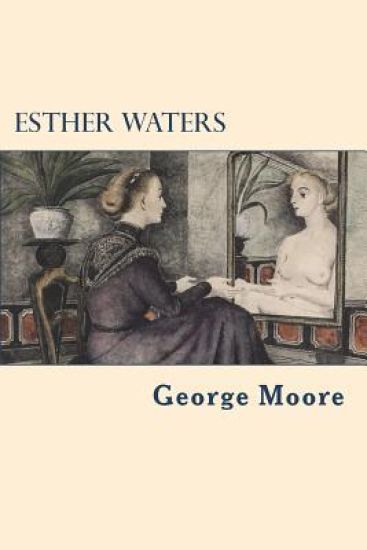
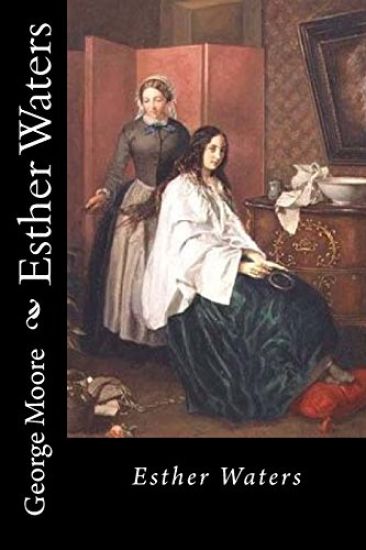
Set in England from the early 1870s onward, the novel is about a young, pious woman from a poor working-class family who, while working as a kitchen maid, is seduced by another employee, becomes pregnant, is deserted by her lover, and against all odds decides to raise her child as a single mother. Esther Waters is one of a group of Victorian novels that depict the life of a "fallen woman". Written in a Zola-like naturalistic style, the novel stands out among Moore's publications as the book whose immediate success, including Gladstone's approval of the novel in the Westminster Gazette, brought him financial security. Continuously revised by Moore (1899, 1917, 1920, 1931), it is often regarded as his best novel. Esther Waters is dedicated to T. W. Rolleston.
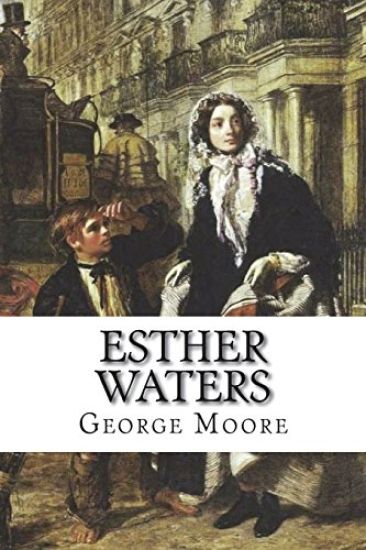
Here is the only available paperback edition of George Moore's powerful novel, Esther Waters. Controversial and influential on its first appearance in 1894, the book opened up a new direction for the English realist tradition. Unflinching in its depiction of the dark and sordid side of Victorian culture, it remains one of the great novels of London life and labor in the 1890s. The novel depicts with extraordinary candor Esther's struggles against prejudice and injustice, and the growth of her character as she determines to protect her son. Her moving story is set against the backdrop of a world of horse racing, betting, and public houses, whose vivid depiction led James Joyce to call Esther Waters "the best novel of modern English life." The new introduction by Stephen Regan examines the novel's vivid depiction of Victorian sub-culture, horse-racing and gambling, the London tavern, and the life of working-class women, and he also explores the stylistic influences of French naturalism and Impressionist painting. The new edition includes considerably expanded explanatory notes that provide helpful glosses on unfamiliar expressions and define a range of horse racing and betting terms.