Kirjailija
George Sand
Kirjat ja teokset yhdessä paikassa: 1 679 kirjaa, julkaisuja vuosilta 1974–2026, suosituimpiin kuuluu Marianne. Vertaile teosten hintoja ja tarkista saatavuus suomalaisista kirjakaupoista.
1 679 kirjaa
Kirjojen julkaisuvuodet: 1974–2026.


French adaptations of William Shakespeare by classic French authors, translated back into English and introduced by Frank Morlock: Hamlet by Alexander Dumas, pere; Ophelia by Arthur Rimbaud; and As You Like It by George Sand.


Letters of George Sand
George Sand; Veronica (EDT) Lucas; Elizabeth (CON) Drew
Kessinger Pub
2007
pokkari


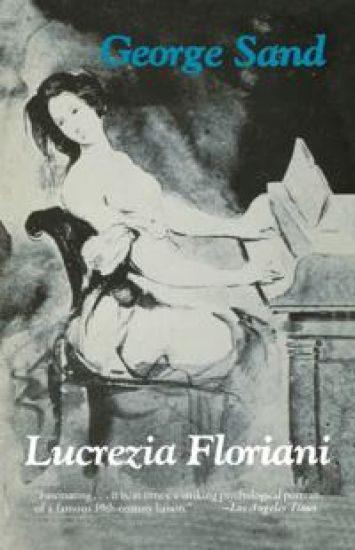
Lucrezia Floriani, a worldly 30-year-old actress and the mother of 4 children with 3 different fathers, meets and falls in love with Prince Karol, a moody, introspective aristocrat.

Une Esthetique de Comparaison, Balzac Et George Sand: La Femme Abandonnee Et Metella
Honore De Balzac; George Sand
Klincksieck
1978
nidottu

The Country Waif (Françoise le Champi) is the second of the three pastoral novels which rank along with George Sand's autobiographical writing as her finest work. Although simple in themselves, these tales have behind them much of the complex experience of her extraordinary life. As Mrs. Zimmerman writes in the introduction, they reflect Sand's "youthful romanticism, her later championing of the working classes, and her desire to record in fiction that was both poetic and factual the lives of the people and the region she knew best." Set in the countryside of the author's native province of Berry, The Country Waif tells the story of François, an orphan boy placed in a rural foster home, and Madeline, the miller's wife who befriends him. Sand's contemporary, Turgenev, wrote that it was "in her best manner, simple, true, affecting." The book has been admired by writers as diverse as Willa Cather (she found it "supremely beautiful") and André Malraux, who considered it a masterpiece. As well as examining the setting, language, and narrative mode of the novel, the introduction looks at Sand's life, in part from the feminist perspective, with attention to the sociopolitical background of the post-Napoleonic era, when Aurore Dudevant felt impelled to rebel against her status as a country wife and to become George Sand.