Kirjailija
George Smith
Kirjat ja teokset yhdessä paikassa: 276 kirjaa, julkaisuja vuosilta 1997–2026, suosituimpiin kuuluu A Compleat Body of Distilling, Explaining the Mysteries of That Science, in a Most Easy and Familiar Manner, ... in Two Parts. by George Smith, ... the Second Edition.. Vertaile teosten hintoja ja tarkista saatavuus suomalaisista kirjakaupoista.
276 kirjaa
Kirjojen julkaisuvuodet: 1997–2026.
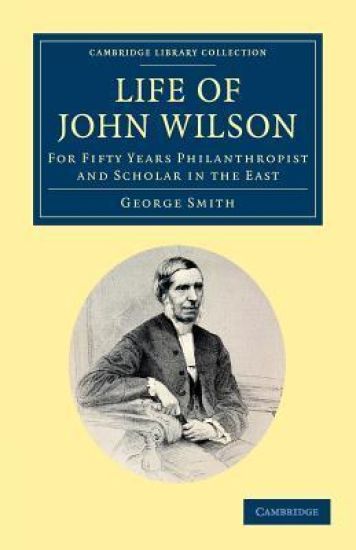
John Wilson (1804–1875) was a Christian missionary and philanthropist. He spent most of his working life in India, where he built churches and schools, and founded the institutions now known as Wilson College and the University of Mumbai. First published in 1878, this biography was compiled by George Smith (1833–1919), at the request of Wilson's son. As former editor of the Calcutta Review, Smith was an expert on Wilson's career, and having met him on his own travels to India, held him and his work in high esteem. The book traces Wilson's life from his childhood to his final days. It reveals his patient mediation between native Indians and their rulers, his groundbreaking and lasting influence on their lives, and his pivotal role in the British government's efforts to help India and its neighbouring countries. It remains of great interest to scholars of religious and Asian studies.

Trial of Deacon Brodie (Cram Edition)
William Brodie; William Roughead; George Smith
Xpresspress
2026
Nidottu
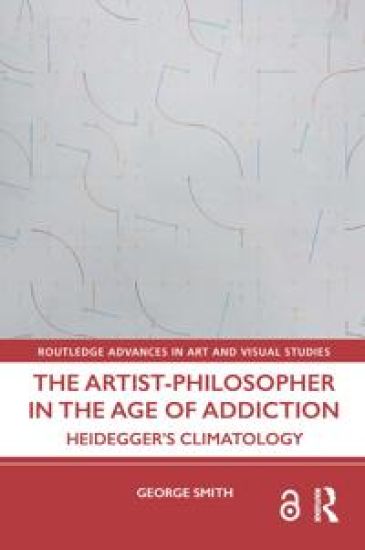
George Smith argues that modern humanity suffers from a late-stage, pre-fatal addiction to scientific-technological thinking. Like most pre-fatal addictions, this one will most likely result in one of three ways: misery, extinction, or human transformation. The question remains, wherein lies the third way? According to Smith, mankind’s chronic and as yet undiagnosed sickness originates in early Western metaphysics and has long been thoroughly globalized. It explains unstoppable extractionism and its relentlessly increasing by-product, carbon dioxide. It also explains today’s ever-increasing rate of species extinction and the increasingly likely collapse of the biosphere. Citing climate change tolerance and denial as symptomatic of pre-fatal addiction, Smith turns his analysis to Heidegger’s "question concerning technology" and shows that even Heidegger had become "hooked" on scientific-technological thinking. Surrendering to his disease, Heidegger "steps back" into "meditative thought." This in turn opens Heidegger to an East-West mode of scientific-poetic consciousness, the thinking of artist-philosophers such as Laozi, Hölderlin, and Rachel Carson. For Heidegger, this way of thinking lays the path to mankind’s transformative emancipation from an otherwise inescapable catastrophe. The book will be of interest to scholars of the arts and culture, histories of consciousness, and climate studies. Chapter 3 of this book is freely available as a downloadable Open Access PDF at http://www.taylorfrancis.com under a Creative Commons Attribution-Non Commercial-No Derivatives (CC BY-NC-ND) 4.0 license