

Kirjailija
George Sturt
Kirjat ja teokset yhdessä paikassa: 26 kirjaa, julkaisuja vuosilta 2006–2026, suosituimpiin kuuluu Memoirs of a Surrey Labourer. Vertaile teosten hintoja ja tarkista saatavuus suomalaisista kirjakaupoista.
26 kirjaa
Kirjojen julkaisuvuodet: 2006–2026.






Memoirs of a Surrey Labourer: A Record of the Last Years of Frederick Bettesworth, has been regarded as significant work throughout human history, and in order to ensure that this work is never lost, we have taken steps to ensure its preservation by republishing this book in a contemporary format for both current and future generations. This entire book has been retyped, redesigned, and reformatted. Since these books are not made from scanned copies, the text is readable and clear.

Although first published in 1923, to the reader newly acquainted with its pages, The Wheelwright's Shop may seem like a revelation. It describes the life and work of third-generation English wheelwright George Sturt near the end of the nineteenth century-a time shortly before efficiency and economies of scale became the sole factors governing the craftsman's methods of production and personal values. Like a visitor from a long-past age, Sturt describes a social milieu where craft, work, art, and life were still intertwined-and not separated into isolated spheres. The Wheelwright's Shop provides both a technical analysis of its protagonist's craft and a picturesque account of the daily life of such craftsmen in turn-of-the-century England-while also quietly lamenting the loss of both. May this book's stirring account of the "true work" that we abandoned, and the quiet peace and simplicity that accompanied it, inspire growing numbers to seek out creative alternatives to our numbing work landscape and a revival of the spiritual dignity of work.
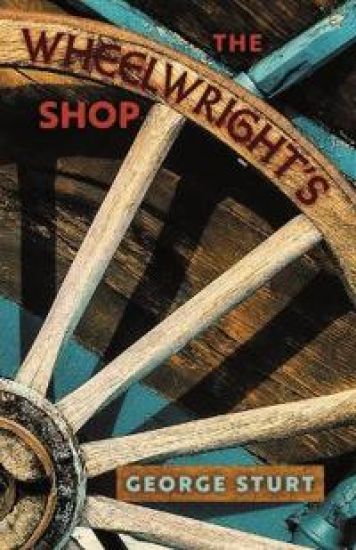
Although first published in 1923, to the reader newly acquainted with its pages, The Wheelwright's Shop may seem like a revelation. It describes the life and work of third-generation English wheelwright George Sturt near the end of the nineteenth century-a time shortly before efficiency and economies of scale became the sole factors governing the craftsman's methods of production and personal values. Like a visitor from a long-past age, Sturt describes a social milieu where craft, work, art, and life were still intertwined-and not separated into isolated spheres. The Wheelwright's Shop provides both a technical analysis of its protagonist's craft and a picturesque account of the daily life of such craftsmen in turn-of-the-century England-while also quietly lamenting the loss of both. May this book's stirring account of the "true work" that we abandoned, and the quiet peace and simplicity that accompanied it, inspire growing numbers to seek out creative alternatives to our numbing work landscape and a revival of the spiritual dignity of work.
This book has been considered important throughout the human history, and so that this work is never forgotten Alpha Editions has made efforts in its preservation by republishing this book in a modern format for the present and future generations. This whole book has been re-formatted, re-typed and re-designed. These books are not made of scanned copies of their original work, and hence the text is clear and readable.

This is a 1919 biography of the author's grandfather, William Smith. It explores the life of this traditional English potter-turned-farmer in nineteenth-century rural England. Highly recommended for those with an interest in English life in the nineteenth century. Contents include: "Farnborough", "The Farmhouse", "Keeping Christmas", "Summer at the Farm", "The Potshop", "The Second Marriage", "The Potter Turns Farmer", "The Pottery. 1. Manufacture", "The Pottery. 2. Delivery", "The Ware, Customers, etc.", "Ancillary Industries", "Sundries", "The Neighbourhood", "Dame Smith", etc. Many vintage books such as this are becoming increasingly scarce and expensive. It is with this in mind that we are republishing this volume now in an affordable, modern, high-quality edition complete with a specially commissioned new introduction.
George Sturt (1863–1927), who also wrote under the pseudonym George Bourne, was a highly prominent writer on the traditions of rural life and the condition of the English labouring classes. Originally published in 1927, shortly after Sturt's death, this volume provides a memoir of his early experiences in and around Farnham, Surrey. It is written in a characteristically informal, personal style, with numerous beautifully rendered observations, and is also notable for containing an introduction by Arnold Bennett. This is a highly readable book that will be of value to anyone with an interest in Sturt's life and autobiographical writing in general.
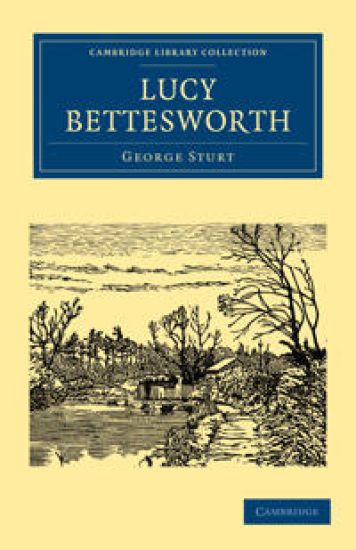
George Sturt (1863–1927) was a British wheelwright and writer who usually wrote under the pen-name George Bourne. A native of Surrey, he inherited his father's workshop in the rural village of Bourne, near Farnborough, in 1894 and began to record the daily lives and recollections of his rural family and acquaintances, which he published towards the end of his life. This volume, first published in 1913, contains Sturt's descriptions of characters and traditions of the village in which he lived. Through conversations with his gardener and labourer Fred Bettesworth and his own experiences, Sturt vividly and sensitively describes the community, hardships, daily lives and experiences of a variety of characters from his rural agricultural village, including Fred's wife Lucy Bettesworth. Written with a keen sense of the fragile nature of this community, this volume provides a valuable record of a now-vanished way of life.
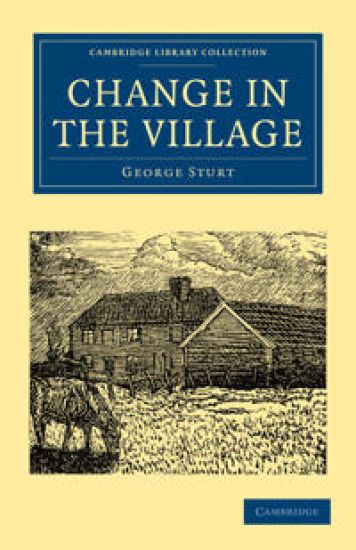
George Sturt (1863–1927) was a British wheelwright and writer who usually wrote under the pen-name George Bourne. A native of Surrey, he inherited his father's workshop in the rural village of Bourne, near Farnborough, in 1891 and began to record the daily lives and recollections of his rural family and acquaintances. This volume, first published in 1912, contains Sturt's description and analysis of social changes he saw taking place in the village where he lived. At the time of publication, Sturt's village was being transformed from a rural agricultural community into a 'residential centre' populated by wealthy outsiders from London. Sturt sensitively and perceptively describes these changes, and analyses their impact on the rural society, community and economy by comparing the contemporary situation to the 'old' rural society. This volume provides valuable insights into changes and social tensions in rural Late Victorian society and economy.