

Kirjailija
Georges Ohnet
Kirjat ja teokset yhdessä paikassa: 208 kirjaa, julkaisuja vuosilta 2004–2026, suosituimpiin kuuluu Serge Panine - Volume 04. Vertaile teosten hintoja ja tarkista saatavuus suomalaisista kirjakaupoista.
208 kirjaa
Kirjojen julkaisuvuodet: 2004–2026.
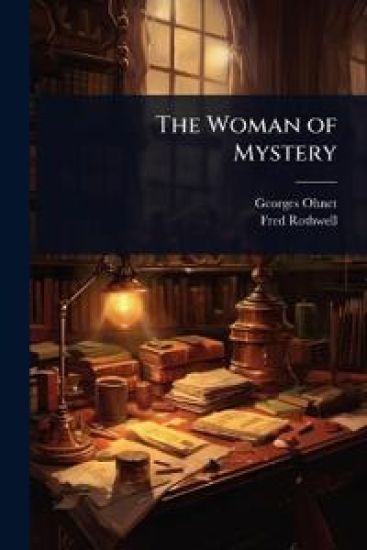


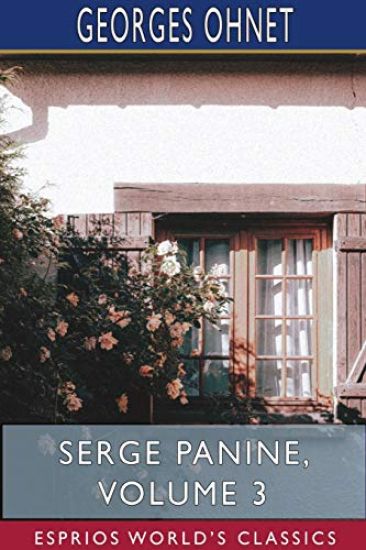
Georges Ohnet (1848, in Paris - 1918) was a French novelist and man of letters. After the Franco-Prussian War he became editor of the Pays and the Constitutionnel in succession. He then began a series of novels, Les Batailles de la vie, of a simple and idealistic character, which were very popular. The series included Serge Panine (1881) which was crowned by the Academy; Le Ma tre de Forges (1882), La Grande Marni re (1885), Volont (1888), Dernier Amour (1891). Many of his novels have been dramatized with great success, Le Ma tre de forges, produced at the Gymnase in 1883, holding the stage for a whole year. His later publications include Le Cr puscule (1902), Le Marchand de Poison (1903), La Conqu rante (1905), La Dixi me Muse (1906).

Georges Ohnet (1848, in Paris - 1918) was a French novelist and man of letters. After the Franco-Prussian War he became editor of the Pays and the Constitutionnel in succession. He then began a series of novels, Les Batailles de la vie, of a simple and idealistic character, which were very popular. The series included Serge Panine (1881) which was crowned by the Academy; Le Ma tre de Forges (1882), La Grande Marni re (1885), Volont (1888), Dernier Amour (1891). Many of his novels have been dramatized with great success, Le Ma tre de forges, produced at the Gymnase in 1883, holding the stage for a whole year. His later publications include Le Cr puscule (1902), Le Marchand de Poison (1903), La Conqu rante (1905), La Dixi me Muse (1906).
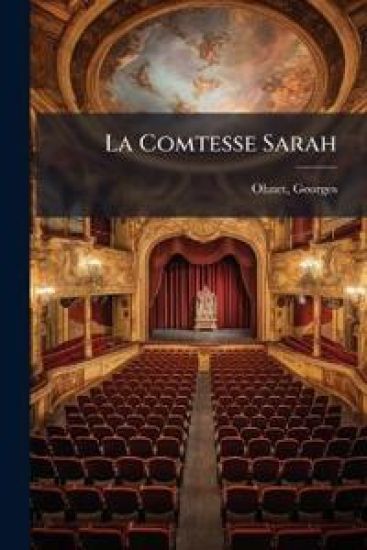








The Woman of Mystery by Georges Ohnet centers around political machinations and the mysterious death of a prominent general. Set against a backdrop of military and scientific pursuits, the narrative weaves a tale filled with suspense and potential betrayal. The story begins with an agitated Minister of War after a deadly explosion at the general's residence. The aftermath reveals a chaotic scene, with disturbing findings that raise questions about the cause of the explosion. An investigation ensues, uncovering strange details that suggest the death may not have been an accident but rather part of a larger conspiracy. As the mystery unfolds, the plot reveals layers of intrigue, deception, and possible espionage, drawing readers into a complex web of power struggles. The narrative explores the lengths to which individuals will go to protect their secrets, while highlighting the tension between loyalty, ambition, and betrayal in a world teeming with political and personal stakes.

Georges Ohnet (1848, in Paris - 1918) was a French novelist and man of letters. After the Franco-Prussian War he became editor of the Pays and the Constitutionnel in succession. He then began a series of novels, Les Batailles de la vie, of a simple and idealistic character, which were very popular. The series included Serge Panine (1881) which was crowned by the Academy; Le Ma tre de Forges (1882), La Grande Marni re (1885), Volont (1888), Dernier Amour (1891). Many of his novels have been dramatized with great success, Le Ma tre de forges, produced at the Gymnase in 1883, holding the stage for a whole year. His later publications include Le Cr puscule (1902), Le Marchand de Poison (1903), La Conqu rante (1905), La Dixi me Muse (1906).

Georges Ohnet (1848, in Paris - 1918) was a French novelist and man of letters. After the Franco-Prussian War he became editor of the Pays and the Constitutionnel in succession. He then began a series of novels, Les Batailles de la vie, of a simple and idealistic character, which were very popular. The series included Serge Panine (1881) which was crowned by the Academy; Le Ma tre de Forges (1882), La Grande Marni re (1885), Volont (1888), Dernier Amour (1891). Many of his novels have been dramatized with great success, Le Ma tre de forges, produced at the Gymnase in 1883, holding the stage for a whole year. His later publications include Le Cr puscule (1902), Le Marchand de Poison (1903), La Conqu rante (1905), La Dixi me Muse (1906).