Kirjojen hintavertailu – 12 859 819 kirjaa ja 27 kauppaa

Kirjailija

Georgie Wemyss

Kirjat ja teokset yhdessä paikassa: 4 kirjaa, julkaisuja vuosilta 2009–2019, suosituimpiin kuuluu Bordering. Vertaile teosten hintoja ja tarkista saatavuus suomalaisista kirjakaupoista.

4 kirjaa

Kirjojen julkaisuvuodet: 2009–2019.

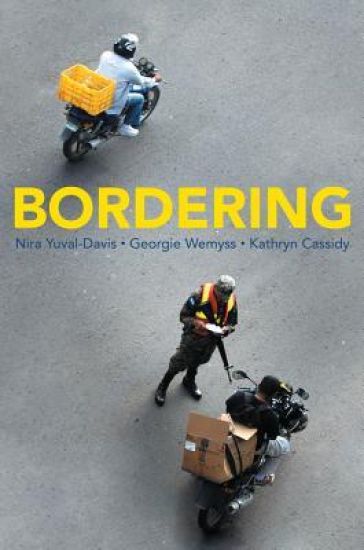
Bordering

Bordering

Nira Yuval-Davis; Georgie Wemyss; Kathryn Cassidy

Polity Press
2019
nidottu
Controlling national borders has once again become a key concern of contemporary states and a highly contentious issue in social and political life. But controlling borders is about much more than patrolling territorial boundaries at the edges of states: it now comprises a multitude of practices that take place at different levels, some at the edges of states and some in the local contexts of everyday life – in workplaces, in hospitals, in schools – which, taken together, construct, reproduce and contest borders and the rights and obligations associated with belonging to a nation-state. This book is a systematic exploration of the practices and processes that now define state bordering and the role it plays in national and global governance. Based on original research, it goes well beyond traditional approaches to the study of migration and racism, showing how these processes affect all members of society, not just the marginalized others. The uncertainties arising from these processes mean that more and more people find themselves living in grey zones, excluded from any form of protection and often denied basic human rights.
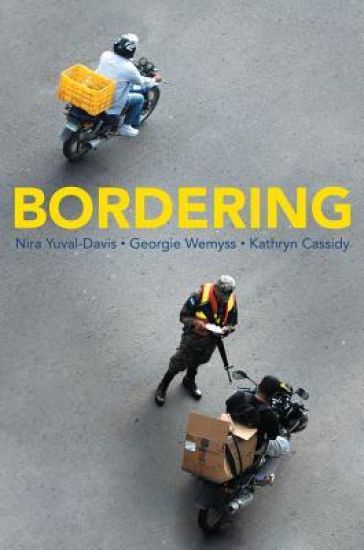
Bordering

Bordering

Nira Yuval-Davis; Georgie Wemyss; Kathryn Cassidy

Polity Press
2019
sidottu
Controlling national borders has once again become a key concern of contemporary states and a highly contentious issue in social and political life. But controlling borders is about much more than patrolling territorial boundaries at the edges of states: it now comprises a multitude of practices that take place at different levels, some at the edges of states and some in the local contexts of everyday life – in workplaces, in hospitals, in schools – which, taken together, construct, reproduce and contest borders and the rights and obligations associated with belonging to a nation-state. This book is a systematic exploration of the practices and processes that now define state bordering and the role it plays in national and global governance. Based on original research, it goes well beyond traditional approaches to the study of migration and racism, showing how these processes affect all members of society, not just the marginalized others. The uncertainties arising from these processes mean that more and more people find themselves living in grey zones, excluded from any form of protection and often denied basic human rights.
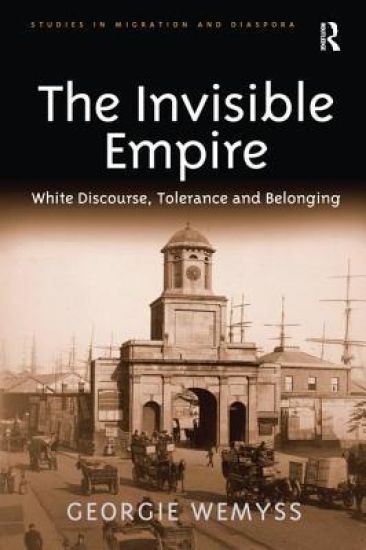
The Invisible Empire

The Invisible Empire

Georgie Wemyss

Routledge
2016
nidottu
This book offers a significant and original contribution to critical race theory. Georgie Wemyss offers an anthropological account of the cultural hegemony of the West through investigations of the central and pivotal constituent of the dominant white discourse of Britishness - the Invisible Empire. She demonstrates how the repetitive burying of British Empire histories of violence in the retelling of Britain’s past works to disguise how power operates in the present, showing how other related elements have been substantially reproduced through time to accommodate the challenges of history. The book combines ethnographic and discourse analysis with the study of connected histories to reveal how the dominant discourse maintains its dominance through its flexibility and its strategic alliances with subordinate groups.
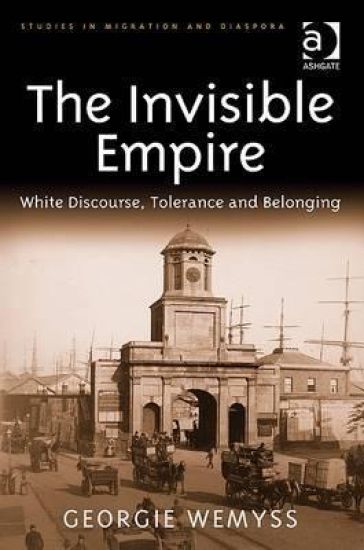
The Invisible Empire

The Invisible Empire

Georgie Wemyss

Ashgate Publishing Limited
2009
sidottu
This book offers a significant and original contribution to critical race theory. Georgie Wemyss offers an anthropological account of the cultural hegemony of the West through investigations of the central and pivotal constituent of the dominant white discourse of Britishness - the Invisible Empire. She demonstrates how the repetitive burying of British Empire histories of violence in the retelling of Britain’s past works to disguise how power operates in the present, showing how other related elements have been substantially reproduced through time to accommodate the challenges of history. The book combines ethnographic and discourse analysis with the study of connected histories to reveal how the dominant discourse maintains its dominance through its flexibility and its strategic alliances with subordinate groups.