
Kirjojen hintavertailu – 12 859 818 kirjaa ja 27 kauppaa

Kirjailija

Gerd Oberleitner

Kirjat ja teokset yhdessä paikassa: 6 kirjaa, julkaisuja vuosilta 1998–2018, suosituimpiin kuuluu Mänskliga rättigheter och samhällets skyldigheter : en antologi från MR-dagarna 2004. Vertaile teosten hintoja ja tarkista saatavuus suomalaisista kirjakaupoista.

6 kirjaa

Kirjojen julkaisuvuodet: 1998–2018.

Human Rights in Armed Conflict

Human Rights in Armed Conflict

Gerd Oberleitner

Cambridge University Press
2018
pokkari
It is now widely accepted that international human rights law applies in situations of armed conflict alongside international humanitarian law, but the contours and consequences of this development remain unclear. This book revisits, organizes and contextualizes the debate on human rights in armed conflict and explores the legal challenges, operational consequences and policy implications of resorting to human rights in situations of inter- and intra-state violence. It presents the benefits and the drawbacks of using international human rights law alongside humanitarian law and discusses how the idea, law and policy of human rights influence the development of the law of armed conflict. Based on legal theory, policy analysis, state practice and the work of human rights bodies, it suggests a human rights-oriented reading of the law of armed conflict as feasible and necessary in response to the changing character of war.

Human Rights in Armed Conflict

Human Rights in Armed Conflict

Gerd Oberleitner

Cambridge University Press
2015
sidottu
It is now widely accepted that international human rights law applies in situations of armed conflict alongside international humanitarian law, but the contours and consequences of this development remain unclear. This book revisits, organizes and contextualizes the debate on human rights in armed conflict and explores the legal challenges, operational consequences and policy implications of resorting to human rights in situations of inter- and intra-state violence. It presents the benefits and the drawbacks of using international human rights law alongside humanitarian law and discusses how the idea, law and policy of human rights influence the development of the law of armed conflict. Based on legal theory, policy analysis, state practice and the work of human rights bodies, it suggests a human rights-oriented reading of the law of armed conflict as feasible and necessary in response to the changing character of war.
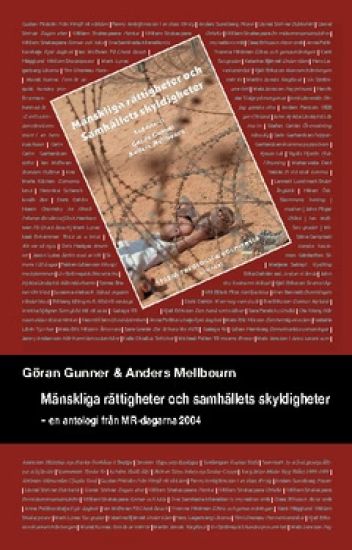
Mänskliga rättigheter och samhällets skyldigheter : en antologi från MR-dagarna 2004

Mänskliga rättigheter och samhällets skyldigheter : en antologi från MR-dagarna 2004

Hans Blix; Vandana Shiva; Gerd Oberleitner; Diana Amnéus; Magdalena Bexell; Torben Spaak; Erik Wennerström; Elisabeth Abiri; Peter Johansson; Axel Hadenius; Charlie Santos; Stig Larsson; Anna Bruce; Reinhold Fahlbeck; Göran Gunner; Dan Hanqvist

Ordfront
2010
nidottu
Nya perspektiv i internationell rätt om humanitär intervention och nationers "ansvar att skydda" medborgare när deras mänskliga rättigheter är kränkta tas upp i denna bok. Kapitlen baseras på bidrag vid MR-dagarna 2004 och diskuterar vidare bl.a. internationell demokratisering, rättsstatsbegreppet, funktionshinder och mänskliga rättigheter samt religionsfrihet. Bland författarna finns: Hans Blix, Vandana Shiva, Gerd Oberleitner, Axel Hadenius, Stig Larsson, Reinhold Fahlbeck.
Global Human Rights Institutions

Global Human Rights Institutions

Gerd Oberleitner

Polity Press
2007
sidottu
The range of global human rights institutions which have been created over the past half century is a remarkable achievement. Yet, their establishment and proliferation raises important questions. Why do states create such institutions and what do they want them to achieve? Does this differ from what the institutions themselves seek to accomplish? Are global human rights institutions effective remedies for violations of human dignity or temples for the performance of stale bureaucratic rituals? What happens to human rights when they are being framed in global institutions? This book is an introduction to global human rights institutions and to the challenges and paradoxes of institutionalizing human rights. Drawing on international legal scholarship and international relations literature, it examines UN institutions with a human rights mandate, the process of mainstreaming human rights, international courts which adjudicate human rights, and non-governmental human rights organizations. In mapping the ever more complex network of global human rights institutions it asks what these institutions are and what they are for. It critically assesses and appraises the ways in which global institutions bureaucratize human rights, and reflects on how this process is changing our perception of human rights.
Global Human Rights Institutions

Global Human Rights Institutions

Gerd Oberleitner

Polity Press
2007
nidottu

Halvin toimitettuna 29,10 €

The range of global human rights institutions which have been created over the past half century is a remarkable achievement. Yet, their establishment and proliferation raises important questions. Why do states create such institutions and what do they want them to achieve? Does this differ from what the institutions themselves seek to accomplish? Are global human rights institutions effective remedies for violations of human dignity or temples for the performance of stale bureaucratic rituals? What happens to human rights when they are being framed in global institutions? This book is an introduction to global human rights institutions and to the challenges and paradoxes of institutionalizing human rights. Drawing on international legal scholarship and international relations literature, it examines UN institutions with a human rights mandate, the process of mainstreaming human rights, international courts which adjudicate human rights, and non-governmental human rights organizations. In mapping the ever more complex network of global human rights institutions it asks what these institutions are and what they are for. It critically assesses and appraises the ways in which global institutions bureaucratize human rights, and reflects on how this process is changing our perception of human rights.
Menschenrechtsschutz Durch Staatenberichte

Menschenrechtsschutz Durch Staatenberichte

Gerd Oberleitner

Peter Lang AG
1998
nidottu
Sowohl universelle als auch regionale Systeme zum Menschenrechtsschutz verpflichten die Vertragsstaaten von Menschenrechtsvertragen, regelmassig Staatenberichte uber die Umsetzung der Konventionsrechte an Sachverstandigenausschusse zu ubermitteln. Ziel der Untersuchung ist es, anhand einer vergleichenden Darstellung dieser Staatenberichtsverfahren ein umfassendes Bild des Uberprufungsverfahrens zu entwerfen. Dazu werden sowohl der rechtliche Rahmen als auch die Praxis der Uberprufungsorgane analysiert. Funktion und Inhalt der Staatenberichte, die Tatigkeit der Uberprufungsorgane und die Rolle regierungsunabhangiger Organisationen werden ebenso diskutiert wie die Frage einer verbesserten Integration der Berichtsverfahren in das gesamte System des Menschenrechtsschutzes. Die Untersuchung schliesst mit einer Bewertung der Wirksamkeit des Staatenberichtsverfahrens."