Kirjailija
Gerhart Hauptmann
Kirjat ja teokset yhdessä paikassa: 324 kirjaa, julkaisuja vuosilta 1932–2026, suosituimpiin kuuluu Wanda. Vertaile teosten hintoja ja tarkista saatavuus suomalaisista kirjakaupoista.
324 kirjaa
Kirjojen julkaisuvuodet: 1932–2026.


Vor Sonnenaufgang. EinFach Deutsch Unterrichtsmodelle
Gerhart Hauptmann
Schoeningh Verlag
2009
nidottu


Auf dem von Ratten bewohnten Dachboden des Theaterdirektors Hassenreuther kommt das uneheliche Kind des Dienstmädchens Pauline Piperkarcka zur Welt. Frau John, die nach dem Tod ihres ersten Kindes den krankhaften Wunsch nach einem zweiten Kind hat, nutzt die Verzweiflung des Mädchens aus. Sie kauft ihr das Kind ab und gibt es als ihr eigenes aus. Die Mutter des Kindes bekommt jedoch bald ein schlechtes Gewissen und Frau John fürchtet, dass sie ihr das Kind wieder wegnehmen will. Als das Dienstmädchen ermordet aufgefunden wird und Frau Johns Bruder im Verdacht steht, fängt ihr Mann an misstrauisch zu werden und findet schließlich die Wahrheit heraus. Von der Polizei gejagt, sieht sie ihren einzigen Ausweg im Selbstmord. Die Handlung der sozialkritischen Tragikomödie von Gerhart Hauptmann spielt sich im kleinbürgerlichen Berlin des späten 19. bis frühen 20. Jahrhunderts ab. Es zeigt die gesellschaftlichen Verhältnisse des großstädtischen Lebens in tragischer, auch teils komischer Art und Weise. Die Sprache des Stückes ist vom berlinerischen Dialekt bestimmt, der in seinen unterschiedlichen Ausprägungen die sozialen Ebenen der Personen sowie deren Bildung widerspiegelt. Das Schauspiel wurde 1911 zum ersten Mal aufgeführt und konnte sich bis heute auf der Bühne behaupten.







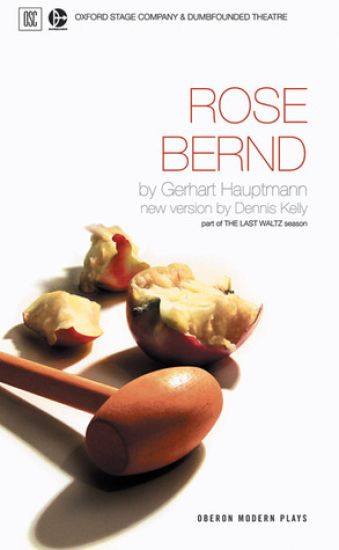
" Silesia, 1903. Every man falls for Rose Bernd. But her actions lead her into danger. In a deeply traditional community how can she avoid disgrace? Rose Bernd is a compassionate but shocking account of a young woman's downfall. This new translation was performed at the Arcola Theatre in 2005 as part of the 'Last Waltz' season by Oxford Stage Company & Dumbfounded Theatre."

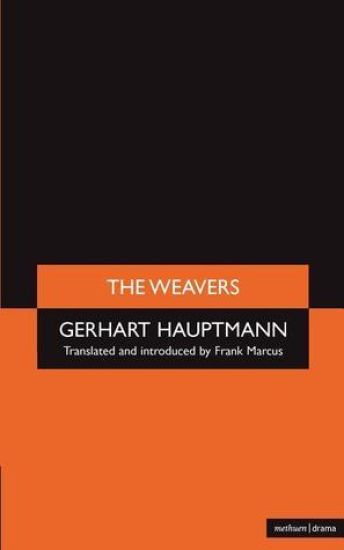
Written in 1892, The Weavers was a response to an extraordinary, disorganised and doomed rebellion by factory workers in Silesia in the 1840s. Fifty years later, conditions had not significantly changed and Hauptmann's dramatisation, which places the workers centre stage, was a radical departure from German romantic drama. It is now considered a classic of socialist theatre and the first play with a collective hero. This edition also provides an introduction to the play and to Hauptmann's life and work.'Hauptmann has written two or three masterpieces - a little immortal thing like The Weavers for instance' James Joyce'His work stands with that of Ibsen and Strindberg as the source and inspiration of all modern drama' Eugene O'Neill.


"Bahnwarter Thiel" (1988), by far the best story ever written by Gerhart Hauptmann, follows the principles of the Naturalist movement in its detailed study of the life and milieu of a humble and apparently unexceptional Prussian railwayman. Yet in its exploitation of symbolism, of techniques sometimes close to Impressionism, and in its subtle use of a changing narrative perspective, this Novelle goes beyond the essentially 'scientific' Naturalist approach: Hauptmann thus succeeds in exploring the complex interaction of suppressed social, psychological, physiological, and religious impulses far better than in any other work of this era. This new edition has been prepared withthe changing needs of the today's learners and students of German inmind. The late S. D. Stirk's scholarly edition of 1952, which alsoincluded "Fasching", has seen sterling service, and we aregreatly indebted to it. However, by concentrating on just one story, wehave been able to offer more linguistic help in the notes andvocabulary, as well as devoting considerably more space in theintroduction to detailed comments on characterisation and technique. References to other works and to other periods of Hauptmann's longcareer as a writer have been kept to a minimum.