Kirjojen hintavertailu – 12 903 724 kirjaa ja 27 kauppaa
Kirjailija
Geronimo
Kirjat ja teokset yhdessä paikassa: 21 kirjaa, julkaisuja vuosilta 1996–2026, suosituimpiin kuuluu Geronimo's Story of His Life (Cram Edition). Vertaile teosten hintoja ja tarkista saatavuus suomalaisista kirjakaupoista.
Erotische Kurzgeschichten mit Biss von Geronimo. Was nicht sein sollteIch, 25 Jahre alt, hatte mich gerade von meiner Freundin getrennt und war nun auf der Suche nach einer eigenen Wohnung. Meine 19 Jahre alte Schwester Eileen bot mir an, solange bei ihr auf der Couch schlafen zu k nnen. Sie hatte bereits eine eigene Wohnung. Dankend nahm ich das Angebot an. Ich verstand mich wirklich gut mit ihr. Sie hatte keinen Freund, braucht sie nicht, war ihre Meinung. Jeden Abend nach der Arbeit stand ein essen f r mich auf dem Tisch, sie wusch sogar meine W sche zum gr ten Teil. Zum Fernsehen abends, wobei ich regelm ig einschlief, kuschelte sie sich an mich. Morgens war sie dann in ihrem Bett. So ging das ca. 3 Wochen Dann den einen Freitag, ich kam von der Arbeit, sa sie auf der Couch mit einem recht gro en Paket, in welchem sie w hlte. Auf meine Frage, was sie da hat, meinte sie nur, sie hat sich Klamotten bestellt. Ob ich sehen will? Klar wollte ich. Meine Schwester ist nur ein Meter f nfundf nfzig gro , bringt nur 45 Kilo auf die Waage, hat aber k rbchengr sse C. Sie zeigte mir jetzt verschiedene Unterw sche, Strings, BHs, ein Korsett und zwei erotische Massage le, Erdbeere und cocos. Anziehen meinte ich zu ihr. So kann ich es mir schlecht vorstellen. Sie ging ins Schlafzimmer und zog jedes einzelne nacheinander an zum Vorf hren. Und alle fotografierte ich sie, was ihr anscheinend gefiel. Dann kam sie wieder im Jogging Anzug an mit einem weiteren Karton unterm Arm. Das h tte sie sich auch gekauft. Darin war ein 23cm dildo, eine 30cm analschlange geriffelt, ein funkgesteuertes vibroei zum Einf hren mit kleiner Fernbedienung....und eine Penis Manschette. Die ist f r dich meinte sie. Wozu? Gab es dazu. Nun wollte sie aber mal sehen, wie man(n) eine solche Manschette tr gt. Nach dem duschen, meine Antwort. Daf r will ich aber sehen, wie das vibroei wirkt. Okay
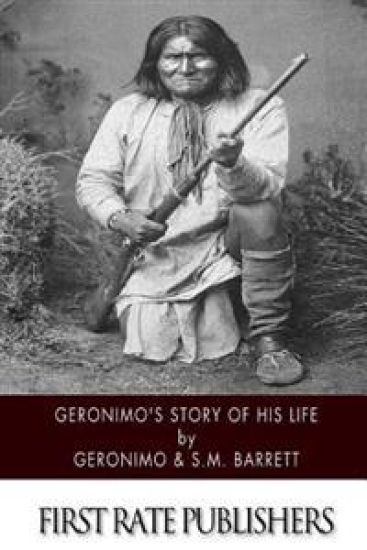
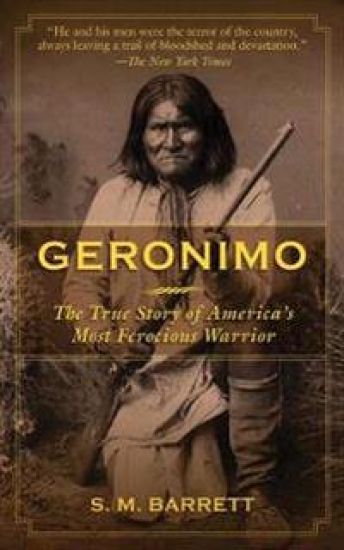
Geronimo, one of the greatest Apache warriors and American legends, gives his first-hand account of his life in his autobiography "My Life". The famous chief orally told his story to S. M. Barrett, a Superintendent of Education in Oklahoma, and Barrett published the book with little to no deviations from Geronimo's interview. This is extraordinary, considering the many contemporary propaganda campaigns created against Geronimo in an attempt to rally the American public against Native Americans. "My Life" tells the warrior's side of the story about his time fighting the Mexicans for land, surrendering to the American government, being exhibited as a carnival side-show attraction, and his deep love for his people and their land. Geronimo's dedication to peace between the American government and the Apache people is obvious with the warrior's diplomatic words and actions after his surrender; even when the American government broke the peace treaty to allow his people to move to Florida unhindered, Geronimo remained honorable and maintained his side of the bargain. Also present is a deep knowledge, respect, and description of Apache traditions, written with the hope of explaining these cultural aspects to a white American audience. "My Life" is simply an outstanding memoir which helped bridge the gap between Apache and American relations in a difficult time in American history. This edition is printed on premium acid-free paper.
Geronimo was a prominent leader and medicine man from the Bedonkohe band of the Chiricahua Apache tribe. From 1850 to 1886 Geronimo joined with members of three other Chiricahua Apache bands—the Tchihende, the Tsokanende and the Nednhi—to carry out numerous raids as well as resistance to US and Mexican military campaigns in the northern Mexico states of Chihuahua and Sonora, and in the southwestern American territories of New Mexico and Arizona. Geronimo's raids and related combat actions were a part of the prolonged period of the Apache–United States conflict, which started with American settlement in Apache lands following the end of the war with Mexico in 1848. Contents: The Apaches Origin of the Apache Indians Subdivisions of the Apache Tribe Early Life Tribal Amusements, Manners, and Customs The Family The Mexicans Kas-ki-yeh Fighting under Difficulties Raids that were Successful Varying Fortunes Other Raids Heavy Fighting Geronimo's Mightiest Battle The White Men Coming of the White Men Greatest of Wrongs Removals In Prison and on the Warpath The Final Struggle Surrender of Geronimo A Prisoner of War The Old and the New Unwritten Laws of the Apaches At the World's Fair Religion Hopes for the Future
Because he has given me permission to tell my story; because he has read that story and knows I try to speak the truth; because I believe that he is fair-minded and will cause my people to receive justice in the future; and because he is chief of a great people, I dedicate this story of my life to Theodore Roosevelt, President of the United States. GERONIMO.
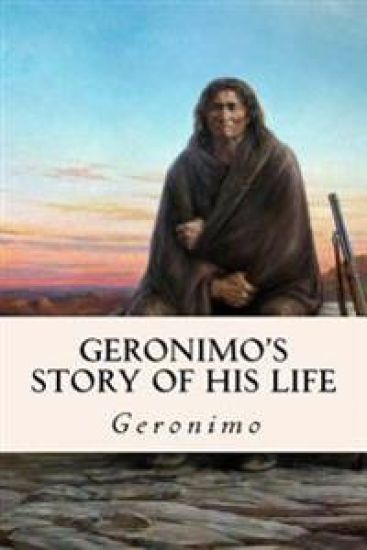
Geronimo, one of the greatest Apache warriors and American legends, gives his first-hand account of his life in the aptly named autobiography "Geronimo's Story of His Life." The famous chief orally told his story to S. M. Barrett, a Superintendent of Education in Oklahoma, and Barrett published the book with little to no deviations from Geronimo's interview. This is extraordinary, considering that many propaganda campaigns were created against Geronimo in an attempt to rally the American public against the Native Americans. "Geronimo's Story of His Life" tells the warrior's side of the story about his time fighting the Mexicans for land, surrendering to the American government, being used as a carnival and fair side-show attraction, and his deep love for his people and their land. Geronimo's dedication to peace between the American government and the Apache people is obvious with the warrior's diplomatic words and actions after his surrender; even when the American government broke the peace treaty to allow his people to move to Florida unhindered, Geronimo remained honorable and maintained his side of the bargain. Also present is a deep knowledge, respect, and description of Apache traditions, written with the hope of explaining these cultural aspects to a white American audience. "Geronimo's Story of His Life" is simply an outstanding memoir which helped bridge the gap between Apache and American relations in a difficult time in American history.
Geronimo's Story of His Life is a classic Native American autobiography by the great Apache Indian leader, Geronimo. Because he has given me permission to tell my story; because he has read that story and knows I try to speak the truth; because I believe that he is fair-minded and will cause my people to receive justice in the future; and because he is chief of a great people, I dedicate this story of my life to Theodore Roosevelt, President of the United States. Geronimo ("the one who yawns"; June 16, 1829 - February 17, 1909) was a prominent leader and medicine man from the Bedonkohe band of the Chiricahua Apache tribe. From 1850 to 1886 Geronimo joined with members of three other Chiricahua Apache bands-the Tchihende, the Tsokanende and the Nednhi-to carry out numerous raids as well as resistance to US and Mexican military campaigns in the northern Mexico states of Chihuahua and Sonora, and in the southwestern American territories of New Mexico and Arizona. Geronimo's raids and related combat actions were a part of the prolonged period of the Apache-United States conflict, which started with American settlement in Apache lands following the end of the war with Mexico in 1848. While well known, Geronimo was not a chief among the Chiricahua or the Bedonkohe band. At any one time, about 30 to 50 Apaches would be following him. 4] However, since he was a superb leader in raiding and warfare he frequently led large numbers of men and women beyond his own following. During Geronimo's final period of conflict from 1876 to 1886 he "surrendered" three times and accepted life on the Apache reservations in Arizona. Reservation life was confining to the free-moving Apache people, and they resented restrictions on their customary way of life. In 1886, after an intense pursuit in Northern Mexico by U. S. forces that followed Geronimo's third 1885 reservation "breakout", Geronimo surrendered for the last time to Lt. Charles Bare Gatewood, an Apache-speaking West Point graduate who had earned Geronimo's respect a few years before. Geronimo was later transferred to General Nelson Miles at Skeleton Canyon, just north of the Mexican/American boundary. Miles treated Geronimo as a prisoner of war and acted promptly to remove Geronimo first to Fort Bowie, then to the railroad at Bowie Station, Arizona where he and 27 other Apaches were sent off to join the rest of the Chiricahua tribe which had been previously exiled to Florida. In his old age, Geronimo became a celebrity. He appeared at fairs, including the 1904 World's Fair in St. Louis, where he reportedly rode a ferris wheel and sold souvenirs and photographs of himself. However, he was not allowed to return to the land of his birth. He died at the Fort Sill hospital in 1909. 8] He was still a prisoner of war. He is buried at the Fort Sill Indian Agency Cemetery surrounded by the graves of relatives and other Apache prisoners of war.
Geronimo's Story Of His Life is an autobiographical account of the life of Geronimo, a prominent Native American leader and warrior of the Chiricahua Apache tribe. The book was originally published in 1906 and is based on a series of interviews between Geronimo and S. M. Barrett, a government interpreter who was tasked with documenting the history and culture of the Apache people. In the book, Geronimo recounts his childhood, his experiences as a warrior, and his struggles against the encroachment of white settlers on Apache lands. He describes his participation in battles against Mexican and American troops, including the famous Battle of Apache Pass in 1862. Geronimo also discusses his capture by the U. S. Army in 1886 and his subsequent imprisonment and exile to Florida and later Oklahoma. Throughout the book, Geronimo provides insights into the customs, beliefs, and traditions of the Apache people, including their religion, social structure, and methods of warfare. He also offers his opinions on the treatment of Native Americans by the U. S. government and the impact of white settlers on traditional Apache ways of life. Overall, Geronimo's Story Of His Life is a fascinating and important historical document that offers a unique perspective on the life and experiences of one of the most famous Native American leaders of the 19th century. This Is A New Release Of The Original 1906 Edition. This scarce antiquarian book is a facsimile reprint of the old original and may contain some imperfections such as library marks and notations. Because we believe this work is culturally important, we have made it available as part of our commitment for protecting, preserving, and promoting the world's literature in affordable, high quality, modern editions, that are true to their original work.
First published in 1906, Geronimo is the collaborative work between Geronimo, chief of the Chiricahua Apache, and author S. M. Barrett. The latter was given special permission from President Theodore Roosevelt to interview Geronimo while he was a prisoner of war at Fort Sill, Oklahoma. What Barrett recorded is a blunt, firsthand account of the twenty-five years Geronimo spent fighting the U. S. government. In Geronimo, the famous Native American discusses the history of the Apache people—where they came from, their early life, and their tribal customs and manners. Geronimo expresses his personal views on how the white men who settled in the West negatively affected his tribe, from wrongs done to his people and removal from their homeland to Geronimo’s imprisonment and forced surrender. “I am thankful that the President of the United States has given me permission to tell my story. I hope that he and those in authority under him will read my story and judge whether my people have been rightly treated.” —Geronimo This is the perfect book for anyone interested in the history of America and its native peoples, and this true-life account—from one of the most well-known figures in our country’s history—is both thrilling and sobering.