Kirjojen hintavertailu – 12 903 735 kirjaa ja 27 kauppaa

Kirjailija

Gerry Dunne

Kirjat ja teokset yhdessä paikassa: 7 kirjaa, julkaisuja vuosilta 2010–2022, suosituimpiin kuuluu Anger Without Guilt. Vertaile teosten hintoja ja tarkista saatavuus suomalaisista kirjakaupoista.

7 kirjaa

Kirjojen julkaisuvuodet: 2010–2022.

Social-Emotional Learning Activities For Middle School

Social-Emotional Learning Activities For Middle School

Dianne Schilling; Susanna Palomares; Gerry Dunne

Innerchoice Publishing
2022
nidottu
Social and emotional skills are recognized as vital for improving student academic performance, emotional development and positive behavior. With these ready-to-use, student centered activities you'll be able to easily weave SEL into your busy classroom or counseling program. This collection of the most popular and effective activities for middle school offered by Innerchoice Publishing aligns with CASEL's five core SEL competencies: Self-awareness, Self-management, Social Awareness, Relationship Skills, and Responsible Decision-making. Within these units engaging activities, Sharing Circles and reproducible student pages address topics such as: Recognizing how thoughts and feelings affect behaviorIdentifying emotions and how they affect othersRegulating and controlling angerDemonstrating honesty, reliability, and respectConsidering the consequences of different actionsMaking positive choices and decisionsIdentifying individual strengths and weaknessesExamining prejudices and biasesLearning effective stress management strategiesSetting and attaining short and long-term goalsEstablishing and maintaining healthy relationshipsMaking positive connections with othersEmpathizing with othersTaking the perspective of othersAccepting and appreciating differences in othersRecognizing value in diversityMaking and keeping friendsUsing effective communication skillsBeing aware of group dynamicsIdentifying peaceful conflict management strategiesListening with empathy and understandingAnd more Written and designed for clarity and ease of implementation, each activity includes behavioral objectives, step-by-step instructions, and thought-provoking discussion questions formulated to elicit higher-level thinking and reflection. Engage your students in these enjoyable and effective social and emotional learning skills that will serve them throughout their lives.
Supporting SOCIAL-EMOTIONAL LEARNING With Remote Instruction

Supporting SOCIAL-EMOTIONAL LEARNING With Remote Instruction

Gerry Dunne; Susanna Palomares

Innerchoice Publishing
2020
nidottu
Social and emotional skills are recognized as vital for improving student academic performance, emotional development, and positive behavior. Even during this time of distance learning, SEL is still important and relationships matter more than ever. Digital technology is part of our lives, but it doesn't mean that you have to lose social connection or forgo developing critical SEL skills. The Sharing Circle process has been used for decades in classrooms and counseling groups to successfully create a sense of community and lay the foundation of a safe, caring learning environment while specifically teaching important social and emotional skills. This book provides you with 100 fully developed Sharing Circle lessons and extended learning activities designed specifically for remote and hybrid instruction. These lessons require no pre-planning or preparation on your part and can be integrated easily into your regular instructional program. In addition to the introductory topics which guide students in expressing their feelings and needs regarding the pandemic the other SEL areas addressed are::: -Self-awarenessExpressing feelingsListening activelyCommunicating effectivelyRelationship skillsFriendship buildingSocial awarenessCultural identityManagingdisappointments sSolving problemsMaking decisionsResolving conflicts
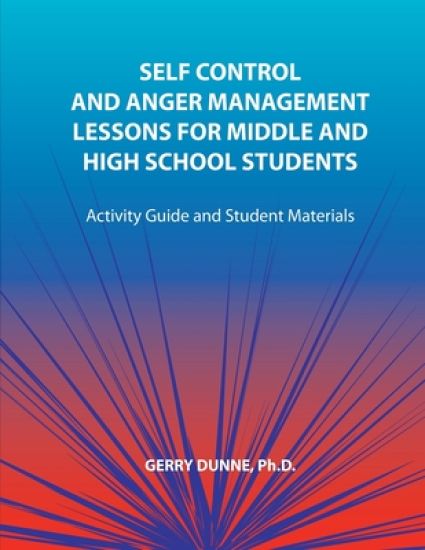
Self Control and Anger Management Lessons for Middle and High School Students
Introduction If I'd participated in lessons like the ones in this manual when I was the age of your students I know I would have lived a healthier and happier life. I was one of those youngsters who grew up in a family that denied not only the importance of feelings but usually feelings themselves, especially uncomfortable ones. Yet, our feelings are the prime movers of our choices and actions. Looking back I recall that just about everyone in my family and at school frequently lived in a state of unrest. They had axes to grind--things to complain about. They were annoyed Sometimes they were hateful and harsh with their words. Yet from the outside everyone thought our family was about as normal and good as a family could get. All of us did, in fact, love each other. We just put our anger first too many times. My junior high and senior high schools were also considered normal, "a cut-above" actually, but I remember very little joy and a lot of fear, hurt and shame. I realize now how much I was influenced by this general discontent and pervasive anger. I grew up assuming that spreading gossip, fighting, holding grudges, protesting anything I didn't like and planning ways to get even were just what you did Life wasn't normal unless you had a good, strong aggravation going about something or someone. Did you have similar experiences? Are your students caught up in this kind of world? Some people are lucky. They're born into, and surrounded by, great circumstances and great models. But many others aren't. The fact is that many of us have, or had, anger habits that started early in our lives--habits we didn't even know we had. Inevitably, this means few skills in self control and anger management will develop. The result: troubles and misery as life unfolds. If you'd told me a few decades ago that I had an anger habit I would have either denied it or said, "No big deal--so what? Who doesn't?" But that kind of blindness wasn't working very well for me. At a certain point I realized it and started to make some deliberate changes. I still struggle with my own anger at times but I've also recognized it for what it is. I became more self-honest. I've been working on understanding how anger operates and developing skills to use it instead of letting it control and use me. I took courses in psychology and wound up with a Ph. D. in Developmental Psychology which focuses on how people are affected by their experiences as they navigate through each stage of life. I went to some helpful counselors and I read a lot of excellent books. For the last ten years I've taught Anger and Conflict Management at Clark College in Vancouver, Washington using the text, Anger and Conflict Management: Personal Handbook. Developing self control and learning how to manage anger leads us out of a dark world into a new one we've lit up ourselves. It's a world with healthy relationships, fun, more friends and enjoyment--also some detachment when it comes to difficult situations. I'm living in that world most of the time now and I seek more company. I wrote this manual with its 20 lessons specifically to help you lead your students through a learning process that can place them on the road to Positive Personal Power
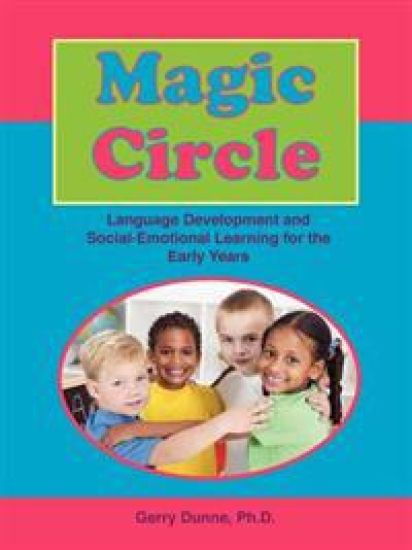
Magic Circle: Language Devolopment and Social-Emotional Learning for the Early Years
Use these engaging Magic Circle activities to help young children acquire language and social interaction skills. It's well documented that children who have developed good communication skills and the ability to get along with others perform better in school and in all aspects of their lives. The magic Circle process has long been recognized as an effective and easy-to-use approach that helps children acquire cooperation, social, and language skills. When engaging in these exciting Magic Circle activities, children perform role-plays, learn to accurately describe their feelings, practice self-control, give positive attention to others, and practice all these in a safe and accepting setting. With this program, you'll effectively teach and develop in your children many important aspects of social and emotional learning skills such as: n Sharing n Pro-social play skills n Listening n Appropriate eye contact n Greeting others n Being aware of feelings n Developing oral language skills n Following instructions n Taking turns.
Helping Kids Make Wise Choices and Reduce Risky Behavior

Helping Kids Make Wise Choices and Reduce Risky Behavior

Terri Akin; Gerry Dunne; Dianne Schilling

Innerchoice Publishing
2010
nidottu
These ready-to-use lessons recognize that making wise choices is a teachable process and that learning the skills and habits of wise choice making reduce the incidence of risky behavior and leads to more success in school and in life. Focusing on developing key areas like self-concept, personal strengths, and supportive, healthy relationships these activities cover essential health and safety information while teaching vital decision-making skills. Fun and engaging, yet packed with plenty of important information and skill practice to help kids learn to make good choices, develop healthy friendships, identify positive support groups, recognize and affirm their positive qualities and develop good decision-making and problem-solving abilities. Use these interactive lessons, discussion questions and reproducible worksheets to put kids on a speedy path to wise choice making. Topic areas include: - Assertiveness- OTC Drugs, Smoking & Marijuana - Stress Management- Peer and Gang Pressure - Self-Esteem- Resistance and Refusal Skills - Decision Making and Problem Solving- Media Influences - Anger Management- Health and Safety - Friendship- Role Models and Support Systems