Kirjojen hintavertailu – 12 859 827 kirjaa ja 27 kauppaa

Kirjailija

Giacomo Puccini

Kirjat ja teokset yhdessä paikassa: 43 kirjaa, julkaisuja vuosilta 1986–2025, suosituimpiin kuuluu Gianni Schicchi (1918). Vertaile teosten hintoja ja tarkista saatavuus suomalaisista kirjakaupoista.

43 kirjaa

Kirjojen julkaisuvuodet: 1986–2025.

The Letters of Giacomo Puccini: Mainly Connected with the Composition and Production of His Operas
The Letters of Giacomo Puccini is a collection of letters written by the renowned Italian composer, Giacomo Puccini, primarily related to the composition and production of his operas. The book provides a fascinating insight into Puccini's creative process, as well as his personal life and relationships. The letters cover a wide range of topics, from his struggles with writer's block to his interactions with singers, librettists, and conductors. The book also includes a detailed introduction that provides context for the letters and sheds light on Puccini's life and career. Overall, The Letters of Giacomo Puccini is an essential read for anyone interested in the history of opera and the creative process of one of its greatest composers. This is a new release of the original 1931 edition. This scarce antiquarian book is a facsimile reprint of the old original and may contain some imperfections such as library marks and notations. Because we believe this work is culturally important, we have made it available as part of our commitment for protecting, preserving, and promoting the world's literature in affordable, high quality, modern editions, that are true to their original work.
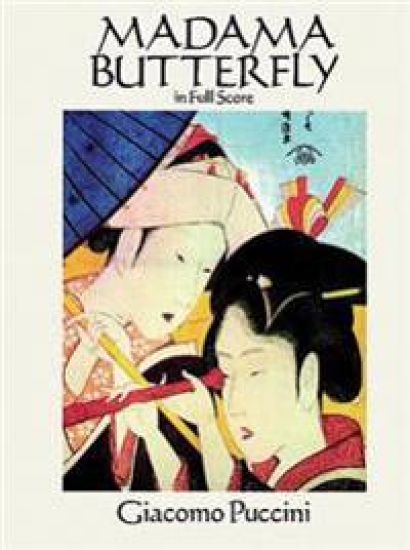
Madame Butterfly

Madame Butterfly

Giacomo Puccini

Dover Publications Inc.
2012
muu
One of the greatest favorites of the Italian operatic repertoire, whose productions at London's Covent Garden in 1905 (featuring Enrico Caruso, among other luminaries of the day) and New York's Metropolitan Opera the following year first brought it fame. Reprinted complete and unabridged from the authoritative G. Ricordi edition.
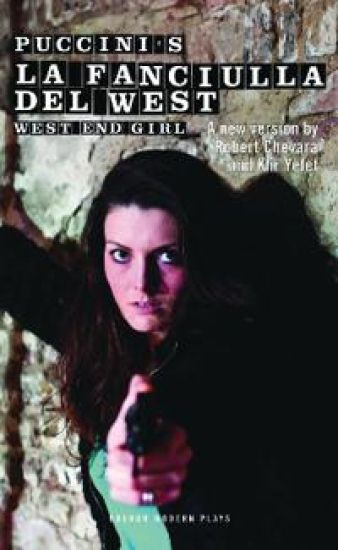
La Fanciulla Del West - West End Girl

La Fanciulla Del West - West End Girl

Giacomo Puccini

Oberon Books Ltd
2012
nidottu
Minnie runs a dilapidated, back-street Soho internet cafe, populated by Eastern European immigrants and targeted by the Albanian underworld. Minnie, trusting and innocent, falls for gang leader 'Vik' Johnson, who is intent on stealing from the villains in her cafe, and from her. When the crooks catch up with Vik, he is moments from execution, before Minnie is forced to play a hand of poker for his life. Puccini's La Fanciulla del West (West End Girl) had gorgeous melodies, great passion and humour. Andrew Lloyd-Webber thought so. He was inspired by Fanciulla to create one of the most famous melodies in The Phantom of the Opera. Fanciulla has thrilling scenes and rich characters, and as in La Boheme and Madama Butterfly, Puccini shows us youthful love and burning desire in a joyous evening of drama and delight. This production is directed by Robert Chevara (Artistic Director, English Touring Opera, 1997-2001) in his own new version co-written with Kfir Yefet (recently directed Gillian Anderson in A Doll's House, Donmar Warehouse, 2009). Musical Direction by John Gibbons.

Turandot

Turandot

Giacomo Puccini

Overture Publishing
2011
nidottu
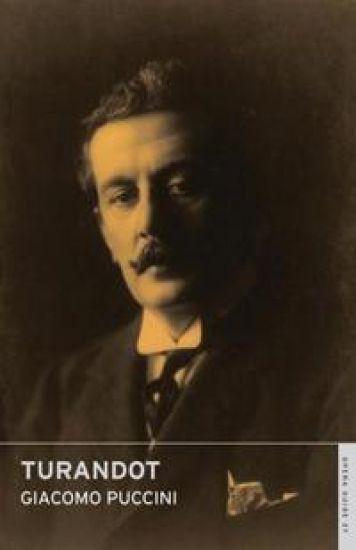
“A Turandot filtered through a modern brain”, wrote Puccini, describing his plans to rework the eighteenth-century fable by Carlo Gozzi. According to Mosco Carner, Puccini’s last and supreme work is an advanced score which, with an orchestration that reflects contemporaries such as Richard Strauss and Stravinsky as well as genuine Chinese rhythms and harmonies, remains true to the Italian vocal tradition. The musicologist Jürgen Maehder analyses of the ending, which Franco Alfano composed from Puccini’s sketches. In addition, the great British soprano Dame Eva Turner recalls her experiences of singing the title role, of which she was a legendary interpreter. Contents: The Genesis of the Opera, Mosco Carner; The Score, Mosco Carner; Puccini’s ‘Turandot’: A Fragment, Jürgen Maehder; Carlo Gozzi’s ‘Turandot’ and Its Transformation into Puccini’s Libretto, John Black; Memories of Performing ‘Turandot’, Eva Turner; Turandot: Libretto by Giuseppe Adami and Renato Simoni; Turandot: English literal translation by William Weaver
Madama Butterfly (Madam Butterfly)

Madama Butterfly (Madam Butterfly)

Giacomo Puccini

Overture Publishing
2011
nidottu
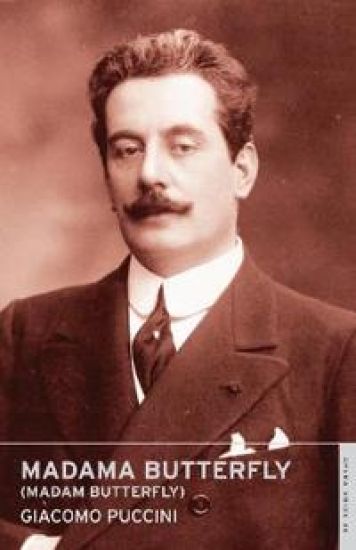
Madama Butterfly is one of the most popular operas of all time, despite its disastrous premiere, after which it was immediately withdrawn and revised. This guide explores how and why the libretto was softened to suit the tastes of European opera-goers, and the different variants are set out, side by side. Professor Jean-Pierre Lehmann introduces the story and shows how the theme of a Japanese girl deserted by a heartless foreigner became a classic. Since John Luther Long’s novella – on which the opera was based – is included as well, it is possible to judge how successful Puccini was in catching its essence in his hauntingly beautiful score. Contents: Images of the Orient, John-Pierre Lehmann; Tribulations of a Score, Julian Smith; Madame Butterfly, John Luther Long; Madama Butterfly: Libretto by Giuseppe Giacosa and Luigi lllica after the book by John Luther Long and the play by David Belasco; Madam Butterfly: English version based on that of R. H. Elkin
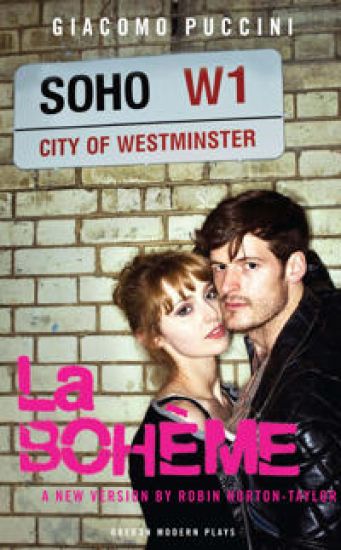
La Boheme

La Boheme

Giacomo Puccini

Oberon Books Ltd
2010
nidottu
A classic tale retold for 21st century London. A tale of love and tragedy, indulgence and excess. Having wowed audiences at Kilburn’s Cock Tavern in a record-breaking, sell-out six-month run, Soho Theatre takes on opera for the very first time as Puccini’s La Bohème is retold for contemporary Soho with a talented, classically trained young cast.
Tosca

Tosca

Giacomo Puccini

Overture Publishing
2010
nidottu
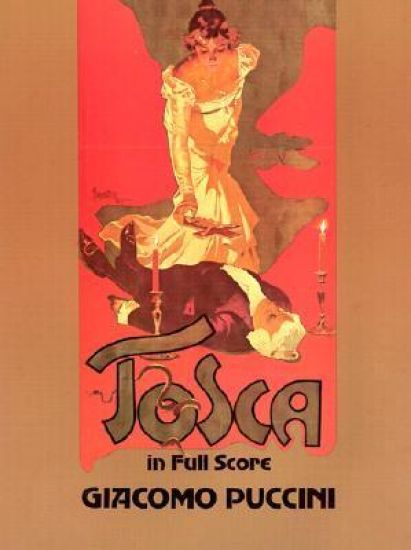
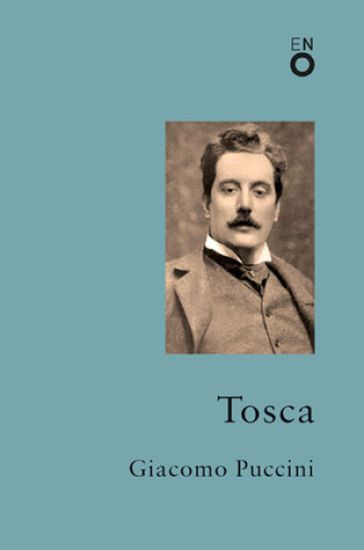
Tosca, one of Puccini’s greatest and most popular operas, is a supreme example of music’s power to enthral the audience. In his introductory essay to this guide, Bernard Williams discusses the enduring quality of its appeal. Bernard Keeffe, in his article, analyses different aspects of the score, noting Puccini’s special genius for orchestration and the subtle effects that give the opera its irresistible vitality, while Stuart Woolf’s survey of the historical background reveals its political and nationalistic undertones. Enriched by twenty-five archive photographs, a detailed thematic analysis, the original libretto with the facing literal translation and a section containing up-to-date discographical and bibliographical information, this guide will prove an invaluable companion for opera-goers and anyone wanting to delve deeper into the genesis, history and significance of Puccini’s work.