
Kirjojen hintavertailu – 12 903 729 kirjaa ja 27 kauppaa

Kirjailija

Gilbert Rozman

Kirjat ja teokset yhdessä paikassa: 24 kirjaa, julkaisuja vuosilta 2004–2025, suosituimpiin kuuluu Xi Jinping’s Quest for a Sinocentric Asia, 2013–2024. Vertaile teosten hintoja ja tarkista saatavuus suomalaisista kirjakaupoista.

24 kirjaa

Kirjojen julkaisuvuodet: 2004–2025.
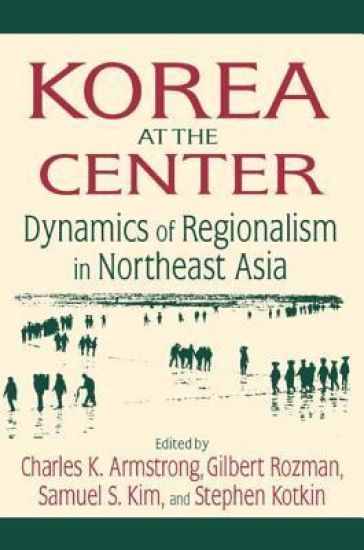
Korea at the Center: Dynamics of Regionalism in Northeast Asia

Korea at the Center: Dynamics of Regionalism in Northeast Asia

Charles K. Armstrong; Gilbert Rozman; Samuel S. Kim; Stephen Kotkin
Routledge
2006
sidottu
The common images of Korea view the peninsula as a long-standing battleground for outside powers and the Cold War's last divided state. But, Korea's location at the very center of Northeast Asia gives it a pivotal role in the economic integration of the region and the dynamic development of its more powerful neighbors. A great wave of economic expansion, driven first by the Japanese miracle and then by the ascent of China, has made South Korea - an economic powerhouse in its own right - the hub of the region once again, a natural corridor for railroads and energy pipelines linking Asiatic Russia to China and Japan. And, over the horizon, an opening of North Korea, with multilateral support, would add another major push toward regional integration. Illuminating the role of the Korean peninsula in three modern historical periods, the eminent international contributors to this volume offer a fresh and stimulating appraisal of Korea as the key to the coalescence of a broad, open Northeast Asian regionalism in the twenty-fifth century.
Korea at the Center: Dynamics of Regionalism in Northeast Asia

Korea at the Center: Dynamics of Regionalism in Northeast Asia

Charles K. Armstrong; Gilbert Rozman; Samuel S. Kim; Stephen Kotkin
Routledge
2005
nidottu
The common images of Korea view the peninsula as a long-standing battleground for outside powers and the Cold War's last divided state. But, Korea's location at the very center of Northeast Asia gives it a pivotal role in the economic integration of the region and the dynamic development of its more powerful neighbors. A great wave of economic expansion, driven first by the Japanese miracle and then by the ascent of China, has made South Korea - an economic powerhouse in its own right - the hub of the region once again, a natural corridor for railroads and energy pipelines linking Asiatic Russia to China and Japan. And, over the horizon, an opening of North Korea, with multilateral support, would add another major push toward regional integration. Illuminating the role of the Korean peninsula in three modern historical periods, the eminent international contributors to this volume offer a fresh and stimulating appraisal of Korea as the key to the coalescence of a broad, open Northeast Asian regionalism in the twenty-fifth century.
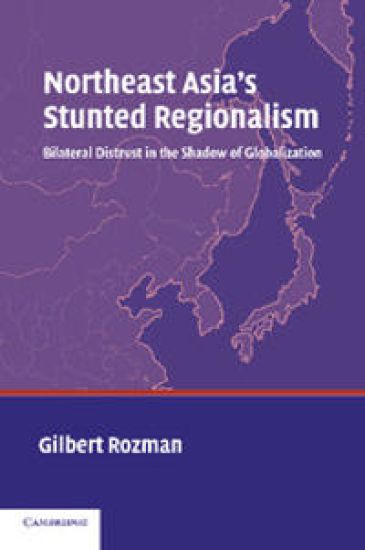
Northeast Asia's Stunted Regionalism

Northeast Asia's Stunted Regionalism

Gilbert Rozman

Cambridge University Press
2004
sidottu
A comprehensive picture of the pursuit of regionalism across Northeast Asia in the 15 years following the Cold War. In each of six periods, the main dynamic of regionalism and the problems that slowed regionalism’s advance are identified. The evolving strategies of China, Japan, South Korea, and Russia are examined, emphasizing the importance of bilateral relations while keeping in mind the globalizing US role. By focusing on debates in each country, most rarely covered in English, the book demonstrates how suspicion of neighbors and clashing strategies have undermined aspirations for regionalism. Only by learning the lessons of this transitional era will regionalism be placed on a stable footing. These include: fully embrace globalization while using regionalism for balance, work together in integrating North Korea while recognizing South Korea’s pivotal role, compromise to allow China and Japan to share leadership, and focus on a long-term vision of Northeast Asia.