Kirjojen hintavertailu – 12 859 818 kirjaa ja 27 kauppaa

Kirjailija

Gilly Carr

Kirjat ja teokset yhdessä paikassa: 9 kirjaa, julkaisuja vuosilta 2014–2026, suosituimpiin kuuluu A Materiality of Internment. Vertaile teosten hintoja ja tarkista saatavuus suomalaisista kirjakaupoista.

9 kirjaa

Kirjojen julkaisuvuodet: 2014–2026.

A Materiality of Internment

A Materiality of Internment

Gilly Carr

TAYLOR FRANCIS LTD
2026
nidottu
More than two thousand people from the British Channel Islands were deported to and interned in Germany during the Second World War, making up as many as 60% of all interned British citizens in occupied territory during this period. This book carries out an in-depth analysis of artwork, objects, oral testimonies, archives, poetry, letters, diaries and memoirs gathered from the internees and drawing from around one hundred collections. The work is based on over 15 years of research and interviews with more than 65 former internees, and explores analytical themes and narratives of placemaking, resistance, communities, food and cooking. It also proposes new concepts and categories to help us understand objects that distinguish the experience of internment. This book will be of great value for scholars and museum professionals, as well as postgraduate students in the field of Conflict Archaeology and scholars of the Second World War. Cumulatively, this materiality comprises one of the major surviving assemblages of internees to emerge from the war, comparable in size, quality and importance with that from other theatres of war.
A Materiality of Internment

A Materiality of Internment

Gilly Carr

TAYLOR FRANCIS LTD
2024
sidottu
More than two thousand people from the British Channel Islands were deported to and interned in Germany during the Second World War, making up as many as 60% of all interned British citizens in occupied territory during this period. This book carries out an in-depth analysis of artwork, objects, oral testimonies, archives, poetry, letters, diaries and memoirs gathered from the internees and drawing from around one hundred collections. The work is based on over 15 years of research and interviews with more than 65 former internees, and explores analytical themes and narratives of placemaking, resistance, communities, food and cooking. It also proposes new concepts and categories to help us understand objects that distinguish the experience of internment. This book will be of great value for scholars and museum professionals, as well as postgraduate students in the field of Conflict Archaeology and scholars of the Second World War. Cumulatively, this materiality comprises one of the major surviving assemblages of internees to emerge from the war, comparable in size, quality and importance with that from other theatres of war.
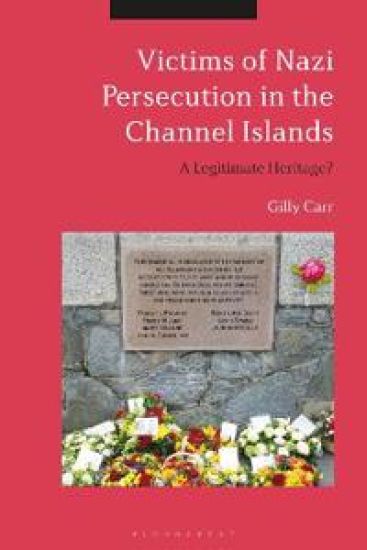
Victims of Nazi Persecution in the Channel Islands
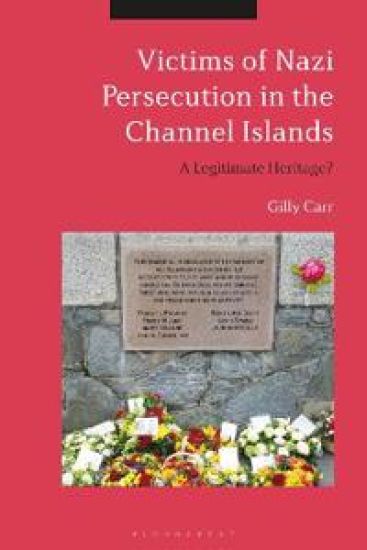
Victims of Nazi Persecution from the Channel Islands explores the fight and claims for recognition and legitimacy of those from the only part of the British Isles to be occupied during the Second World War. The struggle to have resistance recognised by the local governments of the islands as a legitimate course of action during the occupation is something that still continues today. Drawing on 100 compensation testimonies written in the 1960s and newly discovered archival material, Gilly Carr sheds light on the experiences of British civilians from the Channel Islands in Nazi prisons and concentration camps. She analyses the Foreign Office’s treatment of claims from Islanders and explores why the islands’ local governments declined to help former political prisoners fight for compensation. Finally, the book asks why ‘perceived sensitivities’ have stood in the way of honouring former political prisoners and resistance memory over the last 70 years in the Channel Islands. The testimonies explored within this volume help to place the Channel Islands back within European discourse on the Holocaust and the Second World War; as such, it will be of great importance to scholars interested in Nazi occupation, persecution and post-war memory both in Britain and Europe more widely.
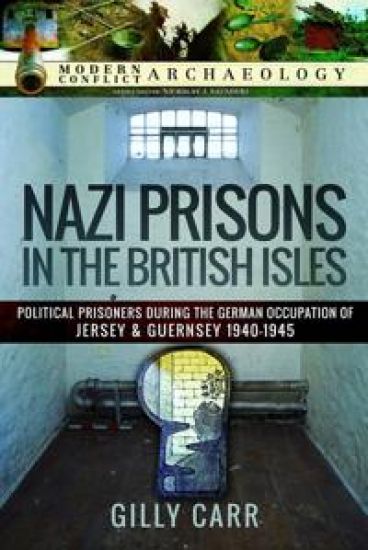
Nazi Prisons in the British Isles

Nazi Prisons in the British Isles

Gilly Carr

Pen Sword Military
2020
sidottu
Nazi Prisons in Britain is a ground-breaking book - a systematic study of Jersey and Guernsey prisons during the German occupation of the Channel Islands based on the experiences of the prisoners. It brings to light for the first time the surviving sources - memoirs, diaries, official archival material, poetry, graffiti, autograph books, letters and material culture are all included. This dazzling array of evidence reveals the reality of life behind bars in Nazi prisons on British territory. Gilly Carr's powerful book shines a light into political prisoner consciousness and solidarity, and shows how they resisted the regime with the limited tools at their disposal. It gives a fascinating insight into how the experience varied according to age, sex, class, and seriousness of offence. The text is enlivened by the words of notorious wartime criminals, including Eddie Chapman - Agent Zigzag - and the traitor Eric Pleasants, who later joined the SS. Also featured are the letters of the Jersey 21', who later died in concentration camps, those of surrealist artists Claude Cahun and Marcel Moore, condemned to death for their resistance activities, and the lost prison diaries of Frank Falla, Guernsey's best known resister.
Victims of Nazi Persecution in the Channel Islands
Victims of Nazi Persecution from the Channel Islands explores the fight and claims for recognition and legitimacy of those from the only part of the British Isles to be occupied during the Second World War. The struggle to have resistance recognised by the local governments of the islands as a legitimate course of action during the occupation is something that still continues today. Drawing on 100 compensation testimonies written in the 1960s and newly discovered archival material, Gilly Carr sheds light on the experiences of British civilians from the Channel Islands in Nazi prisons and concentration camps. She analyses the Foreign Office’s treatment of claims from Islanders and explores why the islands’ local governments declined to help former political prisoners fight for compensation. Finally, the book asks why ‘perceived sensitivities’ have stood in the way of honouring former political prisoners and resistance memory over the last 70 years in the Channel Islands. The testimonies explored within this volume help to place the Channel Islands back within European discourse on the Holocaust and the Second World War; as such, it will be of great importance to scholars interested in Nazi occupation, persecution and post-war memory both in Britain and Europe more widely.
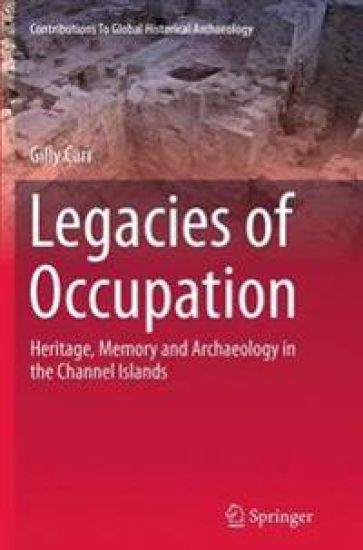
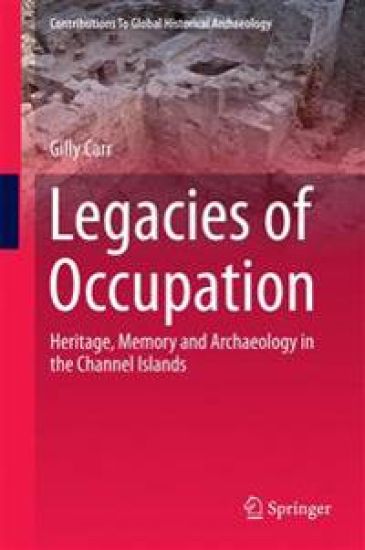
Legacies of Occupation

Legacies of Occupation

Gilly Carr

Springer International Publishing AG
2016
nidottu
This book explores the way in which the legacy of the German occupation of the Channel Islands has been turned into heritage (or, conversely, neglected) over the last 70 years. Once seen as the ‘taint of the mark of the beast’, the perception of much of what the Germans left behind has slowly changed from being despised and reviled, buried underground or dumped at sea, to being reclaimed, restored, highly valued and treated as ‘heritage’. This book examines the journey of various aspects of this heritage, exploring the role of each post-war generation in picking at the scar of occupation, refusing to let it heal or fade. By discovering and interpreting anew their once-hated legacy, each generation of Channel Islanders has changed the resulting collective memory of a period which is rapidly moving to the edge of living memory. It includes the first in-depth investigation into the multiple aspects of heritage of occupation of a single place and will offer comparative material for other heritage professionals who work with similar material throughout Europe and in other post-occupation areas. It will explore the complex ethical issues faced by anyone who works with the legacy or heritage of Nazism, seeking to understand how and why the Channel Islands have responded in the way that they have and asking how unique – or typical for formerly-occupied Europe - their response has been.
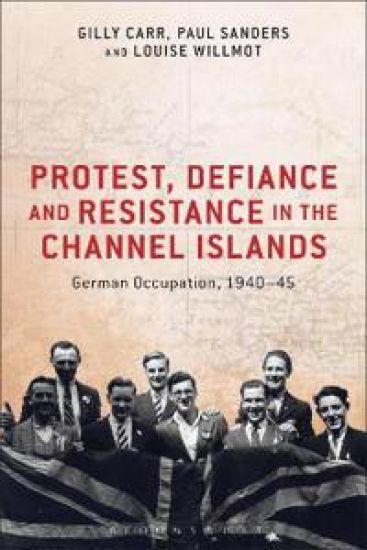
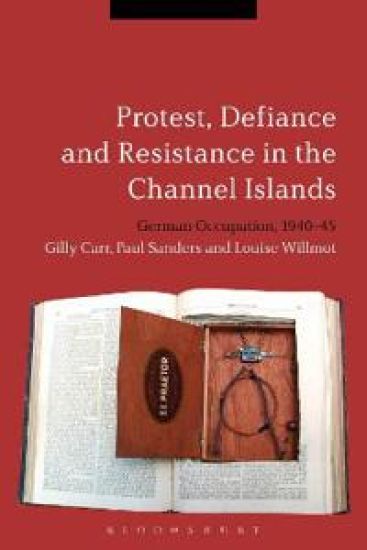
Protest, Defiance and Resistance in the Channel Islands

Protest, Defiance and Resistance in the Channel Islands

Gilly Carr; Paul Sanders; Louise Willmot

Bloomsbury Academic
2015
nidottu
The Nazi occupation of Europe of World War Two is acknowledged as a defining juncture and an important identity-building experience throughout contemporary Europe. Resistance is what ‘saves' European societies from an otherwise chequered record of collaboration on the part of their economic, political, cultural and religious elites. Opposition took pride of place as a legitimizing device in the post-war order and has since become an indelible part of the collective consciousness. Yet there is one exception to this trend among previously occupied territories: the British Channel Islands. Collective identity construction in the islands still relies on the notion of ‘orderly and correct relations' with the Germans, while talk of ‘resistance' earns raised eyebrows. The general attitude to the many witnesses of conscience who existed in the islands remains ambiguous. This book conversely and expertly argues that there was in fact resistance against the Germans in the Channel Islands and is the first text to fully explore the complex relationship that existed between the Germans and the people of the only part of the British Isles to experience occupation.
Protest, Defiance and Resistance in the Channel Islands

Protest, Defiance and Resistance in the Channel Islands

Gilly Carr; Paul Sanders; Louise Willmot

Bloomsbury Academic
2014
sidottu
The Nazi occupation of Europe of World War Two is acknowledged as a defining juncture and an important identity-building experience throughout contemporary Europe. Resistance is what ‘saves' European societies from an otherwise chequered record of collaboration on the part of their economic, political, cultural and religious elites. Opposition took pride of place as a legitimizing device in the post-war order and has since become an indelible part of the collective consciousness. Yet there is one exception to this trend among previously occupied territories: the British Channel Islands. Collective identity construction in the islands still relies on the notion of ‘orderly and correct relations' with the Germans, while talk of ‘resistance' earns raised eyebrows. The general attitude to the many witnesses of conscience who existed in the islands remains ambiguous. This book conversely and expertly argues that there was in fact resistance against the Germans in the Channel Islands and is the first text to fully explore the complex relationship that existed between the Germans and the people of the only part of the British Isles to experience occupation.
Legacies of Occupation

Legacies of Occupation

Gilly Carr

Springer International Publishing AG
2014
sidottu
This book explores the way in which the legacy of the German occupation of the Channel Islands has been turned into heritage (or, conversely, neglected) over the last 70 years. Once seen as the ‘taint of the mark of the beast’, the perception of much of what the Germans left behind has slowly changed from being despised and reviled, buried underground or dumped at sea, to being reclaimed, restored, highly valued and treated as ‘heritage’. This book examines the journey of various aspects of this heritage, exploring the role of each post-war generation in picking at the scar of occupation, refusing to let it heal or fade. By discovering and interpreting anew their once-hated legacy, each generation of Channel Islanders has changed the resulting collective memory of a period which is rapidly moving to the edge of living memory. It includes the first in-depth investigation into the multiple aspects of heritage of occupation of a single place and will offer comparative material for other heritage professionals who work with similar material throughout Europe and in other post-occupation areas. It will explore the complex ethical issues faced by anyone who works with the legacy or heritage of Nazism, seeking to understand how and why the Channel Islands have responded in the way that they have and asking how unique – or typical for formerly-occupied Europe - their response has been.