Kirjojen hintavertailu – 12 903 725 kirjaa ja 27 kauppaa

Kirjailija

Glenn E. Singleton

Kirjat ja teokset yhdessä paikassa: 3 kirjaa, julkaisuja vuosilta 2019–2021, suosituimpiin kuuluu Unconscious Bias in Schools. Vertaile teosten hintoja ja tarkista saatavuus suomalaisista kirjakaupoista.

3 kirjaa

Kirjojen julkaisuvuodet: 2019–2021.

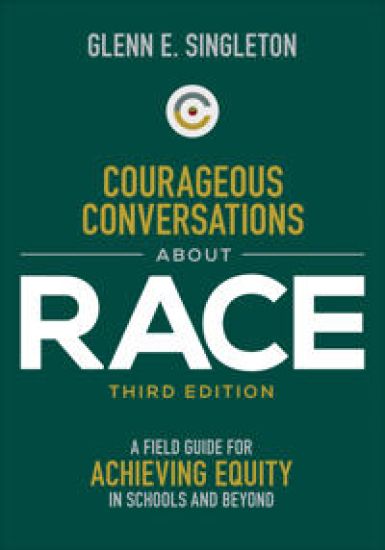
Courageous Conversations About Race

Courageous Conversations About Race

Glenn E. Singleton

SAGE PUBLICATIONS INC
2021
nidottu
Deepen the dialogue to address racial disparities in your organization Schools, like all organizations, face a nearly insurmountable hurdle when addressing racial inequities—the inability to talk candidly about race. In this timely update, author Glenn Singleton enables you to break the silence and open an authentic dialogue that forges a path to progress for racial equity. The third edition offers new coverage of the structural inequities in schools and society that have been exposed by the pandemic as well as heightened public awareness of racial injustice. Courageous Conversations about Race allows you to deepen your personal understanding of race and its impact on all students. You will discover how to apply the strategy and protocol to Embrace the four agreements—stay engaged, speak your truth, experience discomfort and accept non-closure—to deepen interracial dialogue Build a foundation for advancing equity using the Six Conditions of Courageous Conversation Examine the role of race in your life using the Courageous Conversation Compass to understand and guide your actions Expand your capacity to lead others on the journey in addressing institutional racism disparities This guide empowers you with practical tools and insights to successfully challenge racist policies and practice in schools and beyond. It is your call to leadership—one that will impact student achievement and drive systemic transformation.
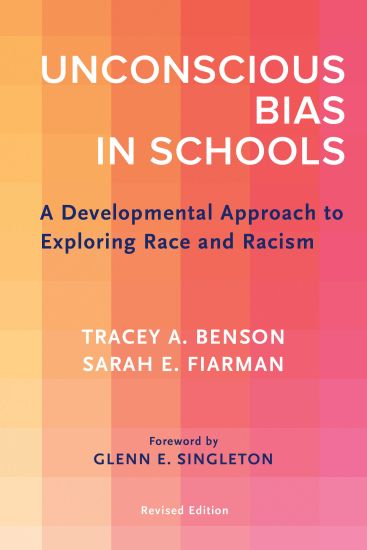
Unconscious Bias in Schools

Unconscious Bias in Schools

Tracey A. Benson; Sarah E. Fiarman; Glenn E. Singleton

Harvard Educational Publishing Group
2020
nidottu
In Unconscious Bias in Schools, two seasoned educators describe the phenomenon of unconscious racial bias and how it negatively affects the work of educators and students in schools. "Regardless of the amount of effort, time, and resources education leaders put into improving the academic achievement of students of color," the authors write, "if unconscious racial bias is overlooked, improvement efforts may never achieve their highest potential." In order to address this bias, the authors argue, educators must first be aware of the racialized context in which we live. Through personal anecdotes and real-life scenarios, Unconscious Bias in Schools provides education leaders with an essential roadmap for addressing these issues directly. The authors draw on the literature on change management, leadership, critical race theory, and racial identity development, as well as the growing research on unconscious bias in a variety of fields, to provide guidance for creating the conditions necessary to do this work-awareness, trust, and a "learner's stance." Benson and Fiarman also outline specific steps toward normalizing conversations about race; reducing the influence of bias on decision-making; building empathic relationships; and developing a system of accountability. All too often, conversations about race become mired in questions of attitude or intention. - "But I'm not a racist!" This book shows how information about unconscious bias can help shift conversations among educators to a more productive, collegial approach that has the potential to disrupt the patterns of perception that perpetuate racism and institutional injustice.
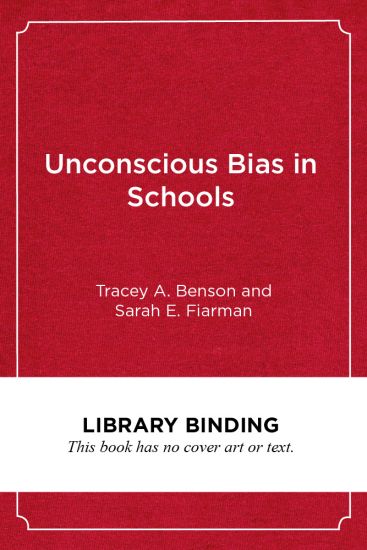
Unconscious Bias in Schools

Unconscious Bias in Schools

Tracey A. Benson; Sarah E. Fiarman; Glenn E. Singleton

Harvard Educational Publishing Group
2019
sidottu
In Unconscious Bias in Schools, two seasoned educators describe the phenomenon of unconscious racial bias and how it negatively affects the work of educators and students in schools. "Regardless of the amount of effort, time, and resources education leaders put into improving the academic achievement of students of color," the authors write, "if unconscious racial bias is overlooked, improvement efforts may never achieve their highest potential." In order to address this bias, the authors argue, educators must first be aware of the racialized context in which we live. Through personal anecdotes and real-life scenarios, Unconscious Bias in Schools provides education leaders with an essential roadmap for addressing these issues directly. The authors draw on the literature on change management, leadership, critical race theory, and racial identity development, as well as the growing research on unconscious bias in a variety of fields, to provide guidance for creating the conditions necessary to do this work-awareness, trust, and a "learner's stance." Benson and Fiarman also outline specific steps toward normalizing conversations about race; reducing the influence of bias on decision-making; building empathic relationships; and developing a system of accountability. All too often, conversations about race become mired in questions of attitude or intention - "But I'm not a racist!" This book shows how information about unconscious bias can help shift conversations among educators to a more productive, collegial approach that has the potential to disrupt the patterns of perception that perpetuate racism and institutional injustice.