Kirjojen hintavertailu – 12 859 828 kirjaa ja 27 kauppaa

Kirjailija

Gloria Chacón

Kirjat ja teokset yhdessä paikassa: 4 kirjaa, julkaisuja vuosilta 2022–2024, suosituimpiin kuuluu Abiayalan Pluriverses. Vertaile teosten hintoja ja tarkista saatavuus suomalaisista kirjakaupoista.

4 kirjaa

Kirjojen julkaisuvuodet: 2022–2024.

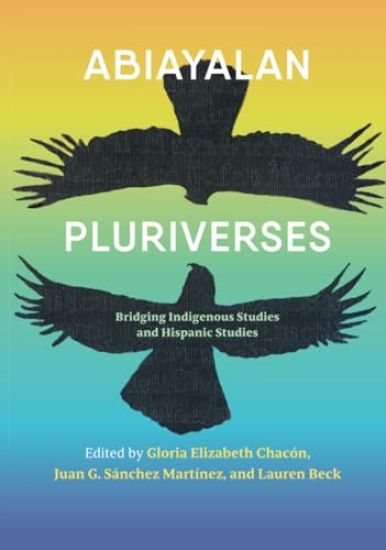
Abiayalan Pluriverses

Abiayalan Pluriverses

Gloria Chacón

Michigan Publishing Services
2024
sidottu
Abiayalan Pluriverses: Bridging Indigenous Studies and Hispanic Studies looks for pathways that better connect two often siloed disciplines. This edited collection brings together different disciplinary experiences and perspectives to this objective, weaving together researchers, artists, instructors, and authors who have found ways of bridging Indigenous and Hispanic studies through trans-Indigenous reading methods, intercultural dialogues, and reflections on translation and epistemology. Each chapter brings rich context that bears on some aspect of the Indigenous Americas and its crossroads with Hispanic studies, from Canada to Chile. Such a hemispheric and interdisciplinary approach offers innovative and significant means of challenging the coloniality of Hispanic studies.
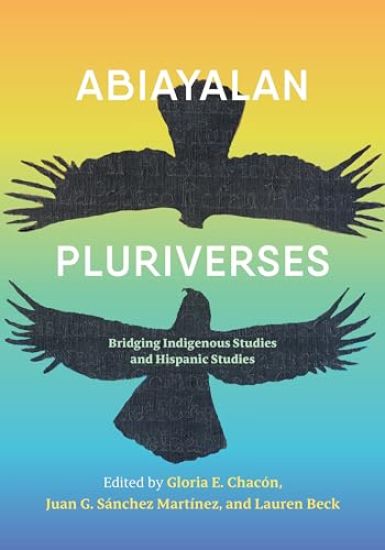
Abiayalan Pluriverses

Abiayalan Pluriverses

Gloria Chacón

Michigan Publishing Services
2024
nidottu
Abiayalan Pluriverses: Bridging Indigenous Studies and Hispanic Studies looks for pathways that better connect two often siloed disciplines. This edited collection brings together different disciplinary experiences and perspectives to this objective, weaving together researchers, artists, instructors, and authors who have found ways of bridging Indigenous and Hispanic studies through trans-Indigenous reading methods, intercultural dialogues, and reflections on translation and epistemology. Each chapter brings rich context that bears on some aspect of the Indigenous Americas and its crossroads with Hispanic studies, from Canada to Chile. Such a hemispheric and interdisciplinary approach offers innovative and significant means of challenging the coloniality of Hispanic studies.
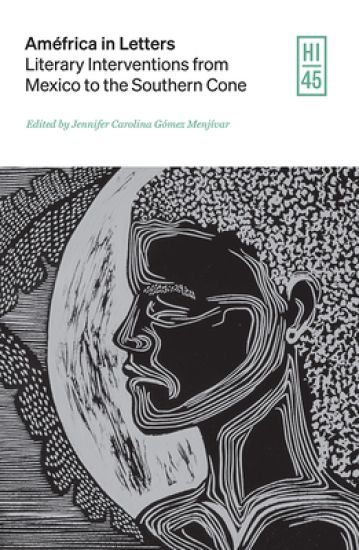
Améfrica in Letters

Améfrica in Letters

Jennifer Carolina Gómez Menjívar; Paulette Ramsay; Juan Guillermo Sánchez Martínez; Michael Handelsman; Gloria Chacón; Ángela Castro; Eliseo Jacob; Isis Barra Costa; Juan Eduardo Wolf; Diana Rodríguez Quevedo; Mamadou Badiane

VANDERBILT UNIVERSITY PRESS
2022
nidottu
Traditional histories of Black letters in Latin America have delimited their geographic scope to the Caribbean while also omitting intertwined Afro-Indigenous discourses. Inspired by the legacy of Amefrican thinker LÉlia Gonzalez, AmÉfrica in Letters highlights the Black poets, songwriters, novelists, essayists, and bloggers who have created a counter-multiculturalist literary history on the Latin American mainland. To capture a sense of the variety of their contributions, this book spans Mexico, Central America, the Andes, and the Southern Cone—highlighting the transcontinental nature of the legacy of Black writing and its impact beyond national boundaries. The writers examined in the volume engage with regional intellectual frameworks while putting into circulation a demand for a recalibration of the Hispanophone and Lusophone contexts in which they and other Afrodescendants reside.
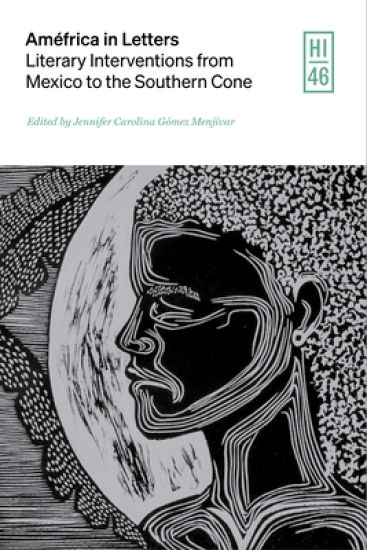
Améfrica in Letters

Améfrica in Letters

Jennifer Carolina Gómez Menjívar; Paulette Ramsay; Juan Guillermo Sánchez Martínez; Michael Handelsman; Gloria Chacón; Ángela Castro; Eliseo Jacob; Isis Barra Costa; Juan Eduardo Wolf; Diana Rodríguez Quevedo; Mamadou Badiane

VANDERBILT UNIVERSITY PRESS
2022
sidottu
Traditional histories of Black letters in Latin America have delimited their geographic scope to the Caribbean while also omitting intertwined Afro-Indigenous discourses. Inspired by the legacy of Amefrican thinker LÉlia Gonzalez, AmÉfrica in Letters highlights the Black poets, songwriters, novelists, essayists, and bloggers who have created a counter-multiculturalist literary history on the Latin American mainland. To capture a sense of the variety of their contributions, this book spans Mexico, Central America, the Andes, and the Southern Cone—highlighting the transcontinental nature of the legacy of Black writing and its impact beyond national boundaries. The writers examined in the volume engage with regional intellectual frameworks while putting into circulation a demand for a recalibration of the Hispanophone and Lusophone contexts in which they and other Afrodescendants reside.