Kirjojen hintavertailu – 12 859 824 kirjaa ja 27 kauppaa
Kirjailija
Gloria Zuniga
Kirjat ja teokset yhdessä paikassa: 3 kirjaa, julkaisuja vuosilta 2001–2026, suosituimpiin kuuluu Covered. Vertaile teosten hintoja ja tarkista saatavuus suomalaisista kirjakaupoista.
"Tac-tic, latido inverso" son una serie de poemas cortos y prosas po ticas de corte sentimental e intimista, con la fuerza e intensidad propia de la autora a trav s de su magn fico uso de figuras literarias cl sicas como la met fora. Tambi n se recogen poemas de otras tem ticas (reflexivos mayoritariamente), aunque los que abundan son los versos "dram ticos y enamorados" a los que ya nos tiene acostumbrados Gloria en sus cuentas de la red social Facebook.
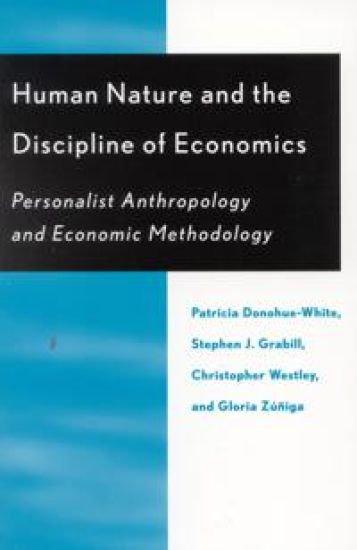
Foundations of Economic Personalism is a series of three book-length monographs, each closely examining a significant dimension of the Center for Economic Personalism's unique synthesis of Christian personalism and free-economic market theory. In the aftermath of the momentous geo-political and economic changes of the late 1980s, a small group of Christian social ethicists began to converse with free-market economists over the morality of market activity. This interdisciplinary exchange eventually led to the founding of a new academic subdiscipline under the rubric of economic personalism. These scholars attempt to integrate economic theory, history, and methodology with Christian personalism's stress upon human dignity, humane social structures, and social justice. This second volume in the series surveys the anthropological foundations to the disciplines of economics and moral theology. The first part of the book presents an overview of the German, French, and Polish branches of personalist thought. Particular attention is given to theological anthropology, especially as it is developed by such thinkers as Emmanuel Mounier, Max Scheler, Gabriel Marcel, Karol Wojtyla, and Emil Brunner. Part two surveys models of human nature that have been espoused by various schools of free-market thought—including mainstream neoclassical economics. In conclusion, the authors demonstrate how an expanded understanding of human nature can augment the ability of economic science to model and predict human behavior.