Kirjojen hintavertailu – 12 859 819 kirjaa ja 27 kauppaa

Kirjailija

Gönül Bozoglu

Kirjat ja teokset yhdessä paikassa: 4 kirjaa, julkaisuja vuosilta 2019–2023, suosituimpiin kuuluu Plural Heritages and Community Co-production. Vertaile teosten hintoja ja tarkista saatavuus suomalaisista kirjakaupoista.

4 kirjaa

Kirjojen julkaisuvuodet: 2019–2023.

Plural Heritages and Community Co-production

Plural Heritages and Community Co-production

Christopher Whitehead; Tom Schofield; Gönül Bozoglu

TAYLOR FRANCIS LTD
2023
nidottu
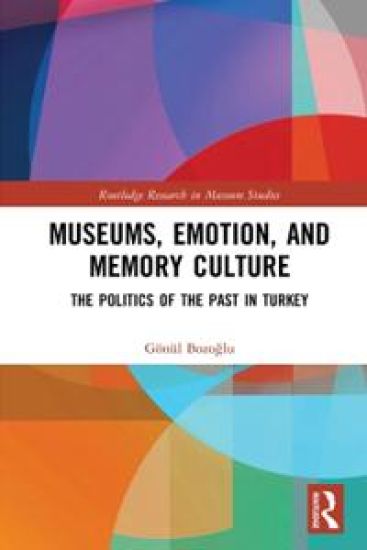
Plural Heritages and Community Co-production is a landmark contribution on the nature and plurality of heritages and how they can be creatively and ethically presented in urban space. Providing an overview of the concept of plural heritages, this book explores the theory, politics, and practice of community co-production as they intersect with currents in critical heritage thinking, walking as ethnography, and digital design methods. Told through a central case study in Istanbul, Turkey, this volume aligns with cultural and political imperatives to consider the plural values, meanings, affects, and relativities of heritage sites for the multiple communities who live – or, as for diaspora and displaced groups, have lived – with them. It suggests a range of methods for locating and valorising alternative perspectives to those centrally deployed through museums or other institutions, such as UNESCO World Heritage listing, while also exploring the complexities of the past in the present and the ontology of heritage. Plural Heritages and Community Co-production will be of great interest to researchers, academics, postgraduate students in the fields of heritage and memory studies, museum studies, history, geography, cultural studies, sociology, anthropology, and politics. The book will also be of interest to heritage professionals, policy makers, and site managers involved in community engagement and participation.
Museums, Emotion, and Memory Culture

Museums, Emotion, and Memory Culture

Gönül Bozoglu

Taylor Francis Ltd
2021
nidottu
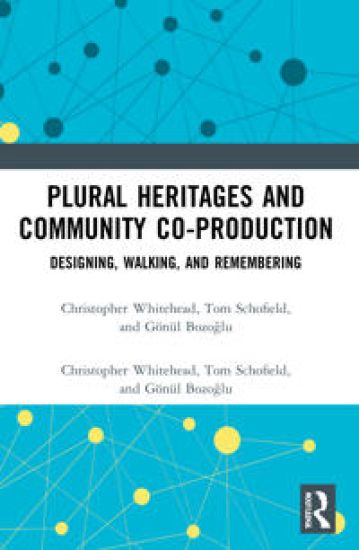
Museums, Emotion, and Memory Culture examines the politics of emotion in history museums, combining approaches and concerns from museum, heritage and memory studies, anthropology and studies of emotion. Exploring the meanings and politics of memory contests in Turkey, a site for complex negotiations of identity, the book asks what it means for museums to charge the past with political agendas through spectacular, emotive representations. Providing an in-depth examination of emotional practice in two Turkish museums that present contrasting representations of the national past, the book analyses relationships between memory, governmentality, identity, and emotion. The museums discussed celebrate Ottoman and Early Republican pasts, linking to geo- and party politics, people’s senses of who they are, popular memory culture, and competing national stories and identities vis-à-vis Europe and the wider world. Both museums use dramatic, emotive panoramas as key displays and the research at the heart of this book explores this seemingly anachronistic choice, and how it links with memory cultures to prompt visitors to engage imaginatively, socially, politically and morally with a particular version of the past. Although the book focuses on museums in Turkey, it uses this as a platform to address broader questions about memory culture, emotion, and identity. As such, Museums and Memory Culture should be of great interest to academics and students around the world who are engaged in the study of museums, heritage, culture, history, politics, anthropology, sociology, and the psychology of emotion.
Plural Heritages and Community Co-production

Plural Heritages and Community Co-production

Christopher Whitehead; Tom Schofield; Gönül Bozoglu

Routledge
2021
sidottu
Plural Heritages and Community Co-production is a landmark contribution on the nature and plurality of heritages and how they can be creatively and ethically presented in urban space. Providing an overview of the concept of plural heritages, this book explores the theory, politics, and practice of community co-production as they intersect with currents in critical heritage thinking, walking as ethnography, and digital design methods. Told through a central case study in Istanbul, Turkey, this volume aligns with cultural and political imperatives to consider the plural values, meanings, affects, and relativities of heritage sites for the multiple communities who live – or, as for diaspora and displaced groups, have lived – with them. It suggests a range of methods for locating and valorising alternative perspectives to those centrally deployed through museums or other institutions, such as UNESCO World Heritage listing, while also exploring the complexities of the past in the present and the ontology of heritage. Plural Heritages and Community Co-production will be of great interest to researchers, academics, postgraduate students in the fields of heritage and memory studies, museum studies, history, geography, cultural studies, sociology, anthropology, and politics. The book will also be of interest to heritage professionals, policy makers, and site managers involved in community engagement and participation.
Museums, Emotion, and Memory Culture

Museums, Emotion, and Memory Culture

Gönül Bozoglu

Routledge
2019
sidottu
Museums, Emotion, and Memory Culture examines the politics of emotion in history museums, combining approaches and concerns from museum, heritage and memory studies, anthropology and studies of emotion. Exploring the meanings and politics of memory contests in Turkey, a site for complex negotiations of identity, the book asks what it means for museums to charge the past with political agendas through spectacular, emotive representations. Providing an in-depth examination of emotional practice in two Turkish museums that present contrasting representations of the national past, the book analyses relationships between memory, governmentality, identity, and emotion. The museums discussed celebrate Ottoman and Early Republican pasts, linking to geo- and party politics, people’s senses of who they are, popular memory culture, and competing national stories and identities vis-à-vis Europe and the wider world. Both museums use dramatic, emotive panoramas as key displays and the research at the heart of this book explores this seemingly anachronistic choice, and how it links with memory cultures to prompt visitors to engage imaginatively, socially, politically and morally with a particular version of the past. Although the book focuses on museums in Turkey, it uses this as a platform to address broader questions about memory culture, emotion, and identity. As such, Museums and Memory Culture should be of great interest to academics and students around the world who are engaged in the study of museums, heritage, culture, history, politics, anthropology, sociology, and the psychology of emotion.