
Kirjailija
Gordon Browne
Kirjat ja teokset yhdessä paikassa: 87 kirjaa, julkaisuja vuosilta 2009–2026, suosituimpiin kuuluu Jim Mortimer. Vertaile teosten hintoja ja tarkista saatavuus suomalaisista kirjakaupoista.
87 kirjaa
Kirjojen julkaisuvuodet: 2009–2026.
Down the Snow Stairs From Good-Night to Good-Morning
Gordon Browne; Alice Corkran
Hansebooks
2018
nidottu

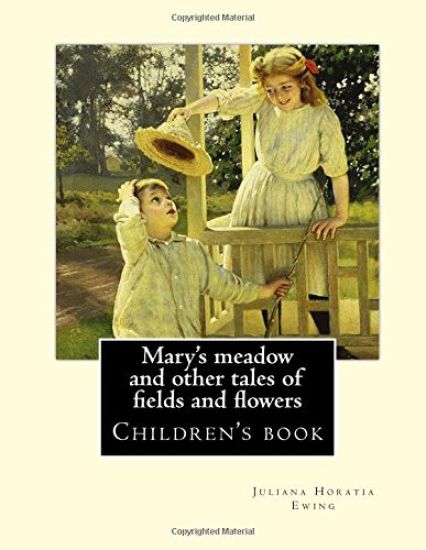
Mary's meadow and other tales of fields and flowers. By: Juliana Horatia Ewing, Illustrated By: Gordon Browne: (children's book ) Illustrated
Gordon Browne; Juliana Horatia Ewing
Createspace Independent Publishing Platform
2018
nidottu
Gordon Frederick Browne (15 April 1858 - 27 May 1932) was an English artist and children's book illustrator in the late 19th century and early 20th century. He was born in Banstead, the younger son of notable book illustrator Hablot Knight Browne (who as "Phiz" illustrated books by Charles Dickens). He studied art at the Heatherley School of Fine Art and South Kensington Schools and started to receive professional commissions while still at college. From the 1880s, Browne was one of Britain's most prolific illustrators, his work appearing in newspapers, magazines and many books by children's authors including Frederic William Farrar, G. A. Henty, Juliana Horatia Ewing, Andrew Lang, Talbot Baines Reed, L. T. Meade, Catherine Christian and E. Nesbit. Browne worked in watercolour and pen and ink. He was a member of the Royal Institute of Painters in Water Colours (RI) and the Royal Society of British Artists (RBA). Browne was an early member of the Society of Graphic Art and showed three works at their first exhibition in 1921. He died in Richmond, London in 1932............... Juliana Horatia Ewing (n e Gatty) (3 August 1841 - 13 May 1885) was an English writer of children's stories. She displayed sympathetic insight into children's lives, admiration for things military, and strong religious faith. Youth and marriage: Known as Julie, she was the second of ten children of the Reverend Alfred Gatty, vicar of Ecclesfield in Yorkshire, and Margaret Gatty, who was herself a children's author. The children were educated mainly by her mother, but Julie was often the driving force behind their various activities: drama, botany etc. Later she was responsible for setting up a village library in Ecclesfield and helped out in the parish with her three sisters. Early stories of hers appeared in Charlotte Yonge's magazine Monthly Packet. On 1 June 1867, she married Major Alexander Ewing (1830-1895) of the army pay department. He was also a keen churchgoer, who shared his wife's interest in literature. Within a week of their marriage, the Ewings left England for Fredericton, New Brunswick, Canada, where he had received a new posting. They remained there for two years, before returning to England in 1869 and spending eight years in the army town of Aldershot. Although her husband was sent overseas again, to Malta in 1879 and Sri Lanka in 1881, Ewing's poor health would not allow her to accompany him. The Ewings moved to Trull, Somerset, on his return in 1883, and in 1885, to Bath, in the hopes that the change of air would do her good. However, her health continued to deteriorate, and after two operations, she died there on 13 May 1885. She was given a military funeral at Trull three days later. Her sister Horatia Katharine Frances Gatty (1846-1945) published a memorial of Julie's life and works which includes a publication history of her stories. A later selection includes some of Julie's letters and drawings about Canada. A biography by Gillian Avery appeared in 1961......................
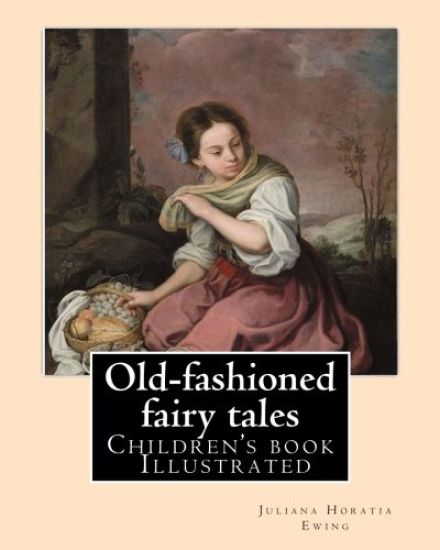
Old-fashioned fairy tales. By: Juliana Horatia Ewing, Dedicated By: Undine Marcia Gatty, illustrated By: A. W. BAYES AND GORDON BROWNE: (children's b
Undine Marcia Gatty; A. W. Bayes; Gordon Browne
Createspace Independent Publishing Platform
2018
nidottu
Undine Marcia GATTY (1849-1930). Gordon Frederick Browne (15 April 1858 - 27 May 1932) was an English artist and children's book illustrator in the late 19th century and early 20th century..................... Alfred Walter Bayes (1831-1909). Unlike most of his artist-contemporaries, who were predominantly middle-class southerners, Bayes was a northerner from artisan stock. His father William Bayes (1799-1851) was a shoe-maker who moved from Wakefield to the village of Lumbutts, Yorkshire, near Todmorden, in pursuit of trade. His mother was from a slightly higher station in life; Hannah Uttley (1788-1856) is described as a local farmer's daughter, although little else is known of her. Alfred was born in 1831, one of four sons and one of only two survivors. His childhood was an austere one. However, this formative period was far from stagnant; on the contrary, Bayes was born into a family sustained by the notion of 'improvement'. His father William was a self-made man and a Methodist, and Bayes was influenced by his parents' focus on the correspondence between education, practical achievement and spiritual development. Bayes's schooling was only elementary, and he supported his learning by reading Charles Knight's series of improving texts for the working-classes, notably The Penny Magazine and The Penny Encyclopaedia................ Juliana Horatia Ewing (n e Gatty) (3 August 1841 - 13 May 1885) was an English writer of children's stories. She displayed sympathetic insight into children's lives, admiration for things military, and strong religious faith. Youth and marriage: Known as Julie, she was the second of ten children of the Reverend Alfred Gatty, vicar of Ecclesfield in Yorkshire, and Margaret Gatty, who was herself a children's author. The children were educated mainly by her mother, but Julie was often the driving force behind their various activities: drama, botany etc. Later she was responsible for setting up a village library in Ecclesfield and helped out in the parish with her three sisters. Early stories of hers appeared in Charlotte Yonge's magazine Monthly Packet. On 1 June 1867, she married Major Alexander Ewing (1830-1895) of the army pay department. He was also a keen churchgoer, who shared his wife's interest in literature. Within a week of their marriage, the Ewings left England for Fredericton, New Brunswick, Canada, where he had received a new posting. They remained there for two years, before returning to England in 1869 and spending eight years in the army town of Aldershot. Although her husband was sent overseas again, to Malta in 1879 and Sri Lanka in 1881, Ewing's poor health would not allow her to accompany him. The Ewings moved to Trull, Somerset, on his return in 1883, and in 1885, to Bath, in the hopes that the change of air would do her good. However, her health continued to deteriorate, and after two operations, she died there on 13 May 1885. She was given a military funeral at Trull three days later. Her sister Horatia Katharine Frances Gatty (1846-1945) published a memorial of Julie's life and works which includes a publication history of her stories. A later selection includes some of Julie's letters and drawings about Canada. A biography by Gillian Avery appeared in 1961......................
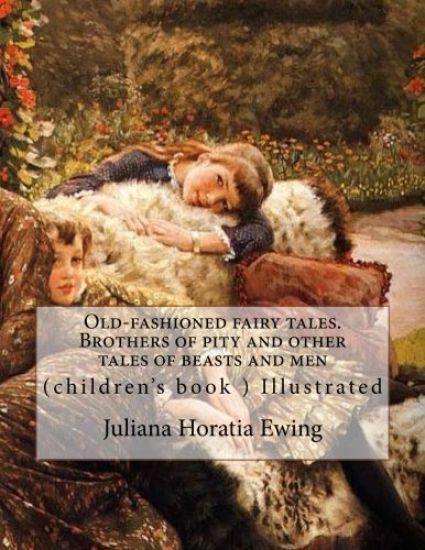
Old-fashioned fairy tales. Brothers of pity and other tales of beasts and men. By: Juliana Horatia Ewing, Illustrated By: A. W. Bayes (1831-1909) and
A. W. Bayes; Gordon Browne; Juliana Horatia Ewing
Createspace Independent Publishing Platform
2018
nidottu
Gordon Frederick Browne (15 April 1858 - 27 May 1932) was an English artist and children's book illustrator in the late 19th century and early 20th century. He was born in Banstead, the younger son of notable book illustrator Hablot Knight Browne (who as "Phiz" illustrated books by Charles Dickens). He studied art at the Heatherley School of Fine Art and South Kensington Schools and started to receive professional commissions while still at college. From the 1880s, Browne was one of Britain's most prolific illustrators, his work appearing in newspapers, magazines and many books by children's authors including Frederic William Farrar, G. A. Henty, Juliana Horatia Ewing, Andrew Lang, Talbot Baines Reed, L. T. Meade, Catherine Christian and E. Nesbit. Browne worked in watercolour and pen and ink. He was a member of the Royal Institute of Painters in Water Colours (RI) and the Royal Society of British Artists (RBA). Browne was an early member of the Society of Graphic Art and showed three works at their first exhibition in 1921.................... Alfred Walter Bayes (1831-1909). Unlike most of his artist-contemporaries, who were predominantly middle-class southerners, Bayes was a northerner from artisan stock. His father William Bayes (1799-1851) was a shoe-maker who moved from Wakefield to the village of Lumbutts, Yorkshire, near Todmorden, in pursuit of trade. His mother was from a slightly higher station in life; Hannah Uttley (1788-1856) is described as a local farmer's daughter, although little else is known of her. Alfred was born in 1831, one of four sons and one of only two survivors.......... Juliana Horatia Ewing (n e Gatty) (3 August 1841 - 13 May 1885) was an English writer of children's stories. She displayed sympathetic insight into children's lives, admiration for things military, and strong religious faith. Youth and marriage: Known as Julie, she was the second of ten children of the Reverend Alfred Gatty, vicar of Ecclesfield in Yorkshire, and Margaret Gatty, who was herself a children's author. The children were educated mainly by her mother, but Julie was often the driving force behind their various activities: drama, botany etc. Later she was responsible for setting up a village library in Ecclesfield and helped out in the parish with her three sisters. Early stories of hers appeared in Charlotte Yonge's magazine Monthly Packet. On 1 June 1867, she married Major Alexander Ewing (1830-1895) of the army pay department. He was also a keen churchgoer, who shared his wife's interest in literature. Within a week of their marriage, the Ewings left England for Fredericton, New Brunswick, Canada, where he had received a new posting. They remained there for two years, before returning to England in 1869 and spending eight years in the army town of Aldershot. Although her husband was sent overseas again, to Malta in 1879 and Sri Lanka in 1881, Ewing's poor health would not allow her to accompany him. The Ewings moved to Trull, Somerset, on his return in 1883, and in 1885, to Bath, in the hopes that the change of air would do her good. However, her health continued to deteriorate, and after two operations, she died there on 13 May 1885. She was given a military funeral at Trull three days later. Her sister Horatia Katharine Frances Gatty (1846-1945) published a memorial of Julie's life and works which includes a publication history of her stories. A later selection includes some of Julie's letters and drawings about Canada. A biography by Gillian Avery appeared in 1961....................

Island nights' entertainments By: Robert Louis Stevenson, illustrated By: Gordon Browne and By: W.(William) Hatherell: Gordon Frederick Browne (15 Apr
Gordon Browne; W. Hatherell; Robert Louis Stevenson
Createspace Independent Publishing Platform
2017
nidottu
Robert Louis Balfour Stevenson (13 November 1850 - 3 December 1894) was a Scottish novelist, poet, essayist, and travel writer. His most famous works are Treasure Island, Kidnapped, Strange Case of Dr Jekyll and Mr Hyde, and A Child's Garden of Verses. A literary celebrity during his lifetime, Stevenson now ranks as the 26th most translated author in the world. His works have been admired by many other writers, including Jorge Luis Borges, Bertolt Brecht, Marcel Proust, Arthur Conan Doyle, Henry James, Cesare Pavese, Emilio Salgari, Ernest Hemingway, Rudyard Kipling, Jack London, Vladimir Nabokov, J. M. Barrie, and G. K. Chesterton, who said of him that he "seemed to pick the right word up on the point of his pen, like a man playing spillikins"............ Gordon Frederick Browne (15 April 1858 - 27 May 1932) was an English artist and children's book illustrator in the late 19th century and early 20th century. He was born in Banstead, the younger son of notable book illustrator Hablot Knight Browne (who as "Phiz" illustrated books by Charles Dickens). He studied art at the Heatherley School of Fine Art and South Kensington Schools and started to receive professional commissions while still at college. From the 1880s, Browne was one of Britain's most prolific illustrators, his work appearing in newspapers, magazines and many books by children's authors including Frederic William Farrar, G. A. Henty, Juliana Horatia Ewing, Andrew Lang, Talbot Baines Reed, L. T. Meade, Catherine Christian and E. Nesbit........ WILLIAM HATHERELL (1855-1928) William Hatherell was a Victorian era illustrator who worked for magazines such as The Graphic, Harpers, Scribner's and the Century. Today he is mostly remembered for crudely printed images such as these: he printing technology in Hatherell's day was pretty primitive. Combined with cheap paper stock, it stripped Hatherell's work of much of its sensitivity and expressiveness. Of course, like all resourceful artists Hatherell made the best of his limitations; he emphasized strong compositions and high contrasts that could survive the publication process. Hatherell might easily have used the disadvantages of his medium as an excuse for dashing off fast, limited work. Many artists did. In fact, his employers encouraged him to do so, in order to increase productivity and profits. Instead, Hatherell worked carefully and deliberately, crafting sensitive pictures with subtle features that were undetectable to his larger audience. As one contemporary noted, Hatherell stubbornly refused to lower his standards: Hatherell became noted for his refusal to be pressured into hasty work. For illustrating current events, for instance, he used models, often carefully posed in his backyard....
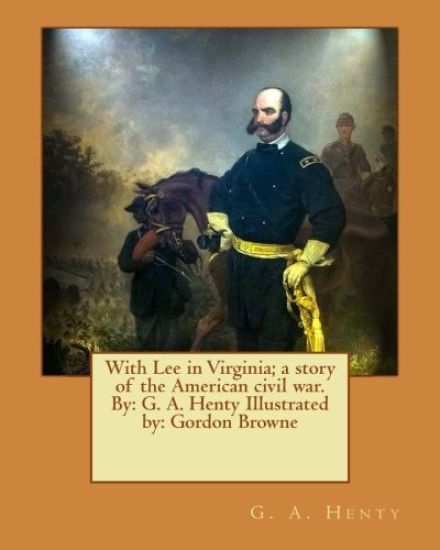
With Lee in Virginia; a story of the American civil war. By: G. A. Henty Illustrated by: Gordon Browne
Gordon Browne; G. a. Henty
Createspace Independent Publishing Platform
2017
nidottu

In freedom's cause; a story of Wallace and Bruce. By: G. A. Henty and Gordon Browne ill. (Illustrated)
Gordon Browne; G. a. Henty
Createspace Independent Publishing Platform
2017
nidottu
My own fairy book is an unchanged, high-quality reprint of the original edition of 1895. Hansebooks is editor of the literature on different topic areas such as research and science, travel and expeditions, cooking and nutrition, medicine, and other genres. As a publisher we focus on the preservation of historical literature. Many works of historical writers and scientists are available today as antiques only. Hansebooks newly publishes these books and contributes to the preservation of literature which has become rare and historical knowledge for the future.
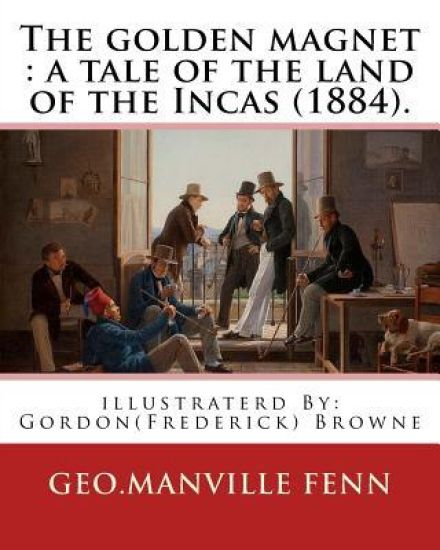
The golden magnet: a tale of the land of the Incas (1884). By: Geo.Manville Fenn: illustraterd By: Gordon(Frederick) Browne (15 April 185
Gordon Browne; Geo Manville Fenn
Createspace Independent Publishing Platform
2016
nidottu
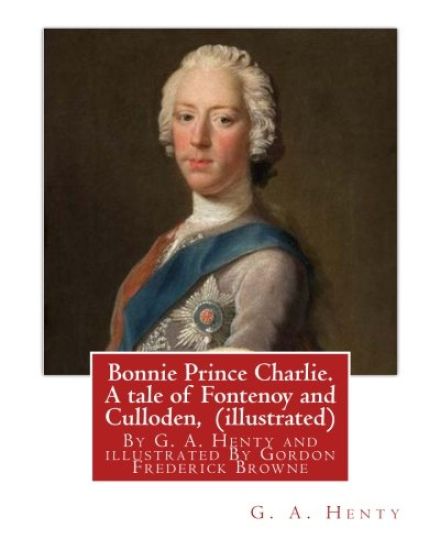
Bonnie Prince Charlie. A tale of Fontenoy and Culloden, By G. A. Henty (illustrated): illustrated By Gordon Frederick Browne (15 April 1858 - 27 May 1
Gordon Browne; G. a. Henty
Createspace Independent Publishing Platform
2016
nidottu
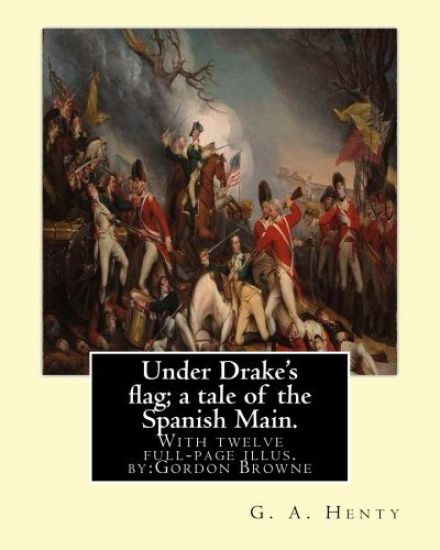
Under Drake's flag; a tale of the Spanish Main. With twelve full-page illus. by: : Gordon Browne--Gordon Frederick Browne (15 April 1858 - 27 May 1932
Gordon Browne; G. a. Henty
Createspace Independent Publishing Platform
2016
nidottu
George Alfred Henty (8 December 1832 - 16 November 1902) was a prolific English novelist and war correspondent. He is best known for his historical adventure stories that were popular in the late 19th century. His works include The Dragon & The Raven (1886), For The Temple (1888), Under Drake's Flag (1883) and In Freedom's Cause (1885). G. A. Henty was born in Trumpington, near Cambridge. He was a sickly child who had to spend long periods in bed. During his frequent illnesses he became an avid reader and developed a wide range of interests which he carried into adulthood. He attended Westminster School, London, and later Gonville and Caius College, Cambridge, where he was a keen sportsman. He left the university early without completing his degree to volunteer for the Army Hospital Commissariat when the Crimean War began. He was sent to the Crimea and while there he witnessed the appalling conditions under which the British soldier had to fight. His letters home were filled with vivid descriptions of what he saw. His father was impressed by his letters and sent them to The Morning Advertiser newspaper which printed them. This initial writing success was a factor in Henty's later decision to accept the offer to become a special correspondent, the early name for journalists now better known as war correspondents. Shortly before resigning from the army as a captain in 1859 he married Elizabeth Finucane. The couple had four children. Elizabeth died in 1865 after a long illness and shortly after her death Henty began writing articles for the Standard newspaper. In 1866 the newspaper sent him as their special correspondent to report on the Austro-Italian War where he met Giuseppe Garibaldi. He went on to cover the 1868 British punitive expedition to Abyssinia, the Franco-Prussian War, the Ashanti War, the Carlist Rebellion in Spain and the Turco-Serbian War. He also witnessed the opening of the Suez Canal and travelled to Palestine, Russia and India. Henty was a strong supporter of the British Empire all his life; according to literary critic Kathryn Castle: "Henty...exemplified the ethos of the new imperialism, and glorified in its successes". 5] Henty's ideas about politics were influenced by writers such as Sir Charles Dilke and Thomas Carlyle. Henty once related in an interview how his storytelling skills grew out of tales told after dinner to his children. He wrote his first children's book, Out on the Pampas in 1868, naming the book's main characters after his children. The book was published by Griffith and Farran in November 1870 with a title page date of 1871. While most of the 122 books he wrote were for children, he also wrote adult novels, non-fiction such as The March to Magdala and Those Other Animals, short stories for the likes of The Boy's Own Paper and edited the Union Jack, a weekly boy's magazine. His children's novels typically revolved around a boy or young man living in troubled times. These ranged from the Punic War to more recent conflicts such as the Napoleonic Wars or the American Civil War. Henty's heroes - which occasionally included young ladies - are uniformly intelligent, courageous, honest and resourceful with plenty of 'pluck' yet are also modest. These virtues have made Henty's novels popular today among many Christians and homeschoolers. Henty usually researched his novels by ordering several books on the subject he was writing on from libraries, and consulting them before beginning writing. Some of his books were written about events (such as the Crimean War) that he witnessed himself. Hence these books are thus written with greater detail as Henty drew upon his first-hand experiences of people, places, and events. On 16 November 1902, Henty died aboard his yacht in Weymouth Harbour, Dorset, leaving unfinished his last novel, By Conduct and Courage, which was completed by his son Captain C. G. Henty......
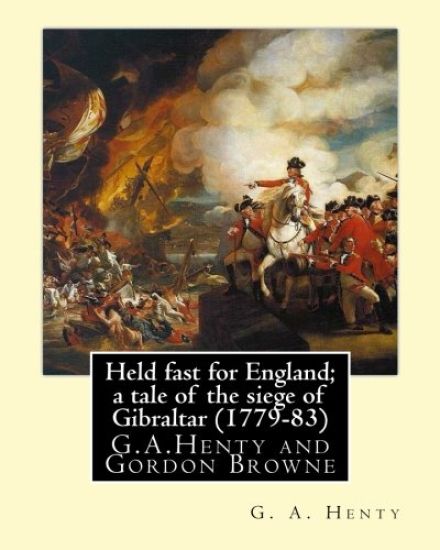
Held fast for England; a tale of the siege of Gibraltar (1779-83), By G.A. Henty: illustrated By Gordon Browne(15 April 1858 - 27 May 1932) was an Eng
Gordon Browne; G. a. Henty
Createspace Independent Publishing Platform
2016
nidottu
George Alfred Henty (8 December 1832 - 16 November 1902) was a prolific English novelist and war correspondent. He is best known for his historical adventure stories that were popular in the late 19th century. His works include The Dragon & The Raven (1886), For The Temple (1888), Under Drake's Flag (1883) and In Freedom's Cause (1885). Biography--G. A. Henty was born in Trumpington, near Cambridge. He was a sickly child who had to spend long periods in bed. During his frequent illnesses he became an avid reader and developed a wide range of interests which he carried into adulthood. He attended Westminster School, London, and later Gonville and Caius College, Cambridge, where he was a keen sportsman. He left the university early without completing his degree to volunteer for the Army Hospital Commissariat when the Crimean War began. He was sent to the Crimea and while there he witnessed the appalling conditions under which the British soldier had to fight. His letters home were filled with vivid descriptions of what he saw. His father was impressed by his letters and sent them to The Morning Advertiser newspaper which printed them. This initial writing success was a factor in Henty's later decision to accept the offer to become a special correspondent, the early name for journalists now better known as war correspondents. Shortly before resigning from the army as a captain in 1859 he married Elizabeth Finucane. The couple had four children. Elizabeth died in 1865 after a long illness and shortly after her death Henty began writing articles for the Standard newspaper. In 1866 the newspaper sent him as their special correspondent to report on the Austro-Italian War where he met Giuseppe Garibaldi. He went on to cover the 1868 British punitive expedition to Abyssinia, the Franco-Prussian War, the Ashanti War, the Carlist Rebellion in Spain and the Turco-Serbian War. He also witnessed the opening of the Suez Canal and travelled to Palestine, Russia and India. Henty was a strong supporter of the British Empire all his life; according to literary critic Kathryn Castle: "Henty...exemplified the ethos of the new imperialism, and glorified in its successes". Henty's ideas about politics were influenced by writers such as Sir Charles Dilke and Thomas Carlyle. Henty once related in an interview how his storytelling skills grew out of tales told after dinner to his children. He wrote his first children's book, Out on the Pampas in 1868, naming the book's main characters after his children. The book was published by Griffith and Farran in November 1870 with a title page date of 1871. While most of the 122 books he wrote were for children, he also wrote adult novels, non-fiction such as The March to Magdala and Those Other Animals, short stories for the likes of The Boy's Own Paper and edited the Union Jack, a weekly boy's magazine.... Gordon Frederick Browne (15 April 1858 - 27 May 1932) was an English artist and children's book illustrator in the late 19th century and early 20th century. He was born in Banstead, the younger son of notable book illustrator Hablot Knight Browne (who as "Phiz" illustrated books by Charles Dickens). He studied art at the Heatherley School of Fine Art and South Kensington Schools and started to receive professional commissions while still at college. From the 1880s, Browne was one of Britain's most prolific illustrators, his work appearing in newspapers, magazines and many books by children's authors including Frederic William Farrar, G. A. Henty, Juliana Horatia Ewing, Andrew Lang, Talbot Baines Reed, L. T. Meade, Catherine Christian and E. Nesbit. Browne worked in watercolour and pen and ink. He was a member of the Royal Institute of Painters in Water Colours (RI) and the Royal Society of British Artists (RBA). He died in Richmond, London in 1932.
By sheer pluck: a tale of the Ashanti War, By G.A. Henty and illustrated: By Gordon Frederick Browne (15 April 1858 - 27 May 1932) was
Gordon Browne; G. a. Henty
Createspace Independent Publishing Platform
2016
nidottu
In freedom's cause; a story of Wallace and Bruce, By G. A. Henty: illustrated By Gordon Frederick Browne (15 April 1858 - 27 May 1932) was an English
Gordon Browne; G. a. Henty
Createspace Independent Publishing Platform
2016
nidottu
At the end of the thirteenth century, the oppressed people of Scotland rebelled against their despised English ruler, Edward Longshanks. In Freedom's Cause recounts the Scots' desperate but ultimately triumphant struggle in the face of overwhelming odds - a hard-fought series of battles conducted under the leadership of William Wallace and Robert Bruce. Time has burnished the feats of these great heroes to mythic proportions, but Wallace and Bruce were real people. This gripping tale of courage, loyalty, and ingenuity recounts their deeds within an accurate historical context. Readers join their company alongside a fictional protagonist, young Archie Forbes, whose estates have been wrongfully confiscated. Archie forms a group of scouts to fight alongside the legendary Scottish chieftains (who were memorably portrayed in the film Braveheart) for their country's independence. In Freedom's Cause is one among the many historical novels for young readers by George Alfred Henty. A storyteller who specialized in blending authentic historical facts with exciting fictional characters, Henty produced more than 140 books and achieved a reputation as "The Prince of Storytellers." Immensely popular and widely used in schools for many years, Henty's novels continue to fire young imaginations with their spirited tales of adventure amid exciting historical eras.... George Alfred Henty (8 December 1832 - 16 November 1902) was a prolific English novelist and war correspondent. He is best known for his historical adventure stories that were popular in the late 19th century. His works include The Dragon & The Raven (1886), For The Temple (1888), Under Drake's Flag (1883) and In Freedom's Cause (1885). G. A. Henty was born in Trumpington, near Cambridge. He was a sickly child who had to spend long periods in bed. During his frequent illnesses he became an avid reader and developed a wide range of interests which he carried into adulthood. He attended Westminster School, London, and later Gonville and Caius College, Cambridge, where he was a keen sportsman. He left the university early without completing his degree to volunteer for the Army Hospital Commissariat when the Crimean War began. He was sent to the Crimea and while there he witnessed the appalling conditions under which the British soldier had to fight. His letters home were filled with vivid descriptions of what he saw. His father was impressed by his letters and sent them to The Morning Advertiser newspaper which printed them. This initial writing success was a factor in Henty's later decision to accept the offer to become a special correspondent, the early name for journalists now better known as war correspondents. Shortly before resigning from the army as a captain in 1859 he married Elizabeth Finucane. The couple had four children. Elizabeth died in 1865 after a long illness and shortly after her death Henty began writing articles for the Standard newspaper. In 1866 the newspaper sent him as their special correspondent to report on the Austro-Italian War where he met Giuseppe Garibaldi. He went on to cover the 1868 British punitive expedition to Abyssinia, the Franco-Prussian War, the Ashanti War, the Carlist Rebellion in Spain and the Turco-Serbian War. He also witnessed the opening of the Suez Canal and travelled to Palestine, Russia and India. Henty was a strong supporter of the British Empire all his life; according to literary critic Kathryn Castle: "Henty...exemplified the ethos of the new imperialism, and glorified in its successes". Henty's ideas about politics were influenced by writers such as Sir Charles Dilke and Thomas Carlyle.... Gordon Frederick Browne (15 April 1858 - 27 May 1932) was an English artist and children's book illustrator in the late 19th century and early 20th century........
With Wolfe in Canada, or, The winning of a continent. By: G. A. Henty: (Original Version)
Gordon Browne; G. a. Henty
Createspace Independent Publishing Platform
2016
nidottu
St. George for England; a tale of Cressy and Poitiers. Eight page illus.: by Gordon Browne (15 April 1858 - 27 May 1932) was an English artist and chi
Gordon Browne; G. a. Henty
Createspace Independent Publishing Platform
2016
nidottu
George Alfred Henty (8 December 1832 - 16 November 1902) was a prolific English novelist and war correspondent. He is best known for his historical adventure stories that were popular in the late 19th century. His works include The Dragon & The Raven (1886), For The Temple (1888), Under Drake's Flag (1883) and In Freedom's Cause (1885). G. A. Henty was born in Trumpington, near Cambridge. He was a sickly child who had to spend long periods in bed. During his frequent illnesses he became an avid reader and developed a wide range of interests which he carried into adulthood. He attended Westminster School, London, and later Gonville and Caius College, Cambridge, where he was a keen sportsman. He left the university early without completing his degree to volunteer for the Army Hospital Commissariat when the Crimean War began. He was sent to the Crimea and while there he witnessed the appalling conditions under which the British soldier had to fight. His letters home were filled with vivid descriptions of what he saw. His father was impressed by his letters and sent them to The Morning Advertiser newspaper which printed them. This initial writing success was a factor in Henty's later decision to accept the offer to become a special correspondent, the early name for journalists now better known as war correspondents. Shortly before resigning from the army as a captain in 1859 he married Elizabeth Finucane. The couple had four children. Elizabeth died in 1865 after a long illness and shortly after her death Henty began writing articles for the Standard newspaper. In 1866 the newspaper sent him as their special correspondent to report on the Austro-Italian War where he met Giuseppe Garibaldi. He went on to cover the 1868 British punitive expedition to Abyssinia, the Franco-Prussian War, the Ashanti War, the Carlist Rebellion in Spain and the Turco-Serbian War. He also witnessed the opening of the Suez Canal and travelled to Palestine, Russia and India. Henty was a strong supporter of the British Empire all his life; according to literary critic Kathryn Castle: "Henty...exemplified the ethos of the new imperialism, and glorified in its successes". Henty's ideas about politics were influenced by writers such as Sir Charles Dilke and Thomas Carlyle. Henty once related in an interview how his storytelling skills grew out of tales told after dinner to his children. He wrote his first children's book, Out on the Pampas in 1868, naming the book's main characters after his children. The book was published by Griffith and Farran in November 1870 with a title page date of 1871. While most of the 122 books he wrote were for children, he also wrote adult novels, non-fiction such as The March to Magdala and Those Other Animals, short stories for the likes of The Boy's Own Paper and edited the Union Jack, a weekly boy's magazine. His children's novels typically revolved around a boy or young man living in troubled times. These ranged from the Punic War to more recent conflicts such as the Napoleonic Wars or the American Civil War. Henty's heroes - which occasionally included young ladies - are uniformly intelligent, courageous, honest and resourceful with plenty of 'pluck' yet are also modest. These virtues have made Henty's novels popular today among many Christians and homeschoolers. Henty usually researched his novels by ordering several books on the subject he was writing on from libraries, and consulting them before beginning writing. Some of his books were written about events (such as the Crimean War) that he witnessed himself. Hence these books are thus written with greater detail as Henty drew upon his first-hand experiences of people, places, and events. On 16 November 1902, .... Gordon Frederick Browne (15 April 1858 - 27 May 1932) was an English artist and children's book illustrator in the late 19th century and early 20th century.
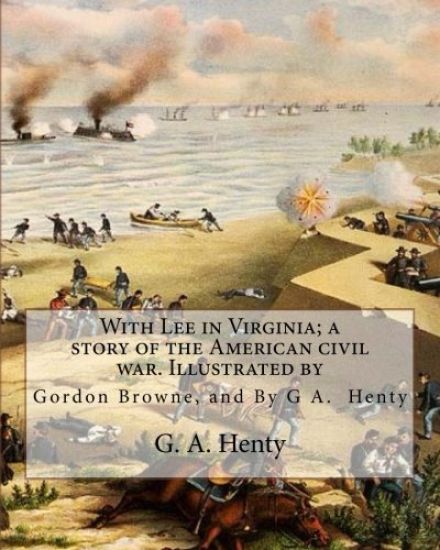
With Lee in Virginia; a story of the American civil war. Illustrated by: Gordon Browne (15 April 1858 - 27 May 1932) was an English artist and childre
Gordon Browne; G. a. Henty
Createspace Independent Publishing Platform
2016
nidottu
With Lee in Virginia, A Story of the American Civil War (1890) is a book by British author G. A. Henty. It was published by Blackie and Son Ltd, London. Henty's character, Vincent Wingfield, fights for the Confederate States of America, even though he is against slavery. As suggested by the title, he is primarily with the Army of Northern Virginia. Henty's novel has been cited by some literary historians as an example of British right-wingers' sympathy for the Confederate cause; discussing With Lee in Virginia, Jeffrey Richards cites the book as "significantly pro-Southern". Henty defends slavery throughout the novel, stating although slavery was capable of "abominable" cruelty under brutal masters, "..taken all in all, the negroes on a well-ordered estate, under kind masters, were probably a happier class of people than the laborers upon any estate in Europe." At the novel's end, Henty has the Wingfield family's former slaves return and continue working for their former owners: The negroes, however, for the most part remained steadily working on the estate. A few wandered away, but their places were easily filled; for the majority of the freed slaves very soon discovered that their lot was a far harder one than it had been before, and that freedom so suddenly given was a curse rather than a blessing to them. Richards cites the novel as an example of Henty's belief in the "incapacity" of blacks and notes that With Lee In Virginia argues that "a system of slavery is acceptable so long as the slave owners treat their slaves decently and humanely". Nathaniel Cadle claims With Lee in Virginia's plot works to "romanticize and oversimplify the relationship between white Confederate slave owners and their black chattel." The book has been lauded by the right-wing, Neo-Confederate magazine Southern Partisan, who described With Lee in Virginia as "the sort of book Southern Partisan readers ought to pass on to their own sons. The politics of sectional conflict aren't oversimplified, but the bias is one Southern Partisan readers are likely to applaud". Gordon Frederick Browne (15 April 1858 - 27 May 1932) was an English artist and children's book illustrator in the late 19th century and early 20th century. He was born in Banstead, the younger son of notable book illustrator Hablot Knight Browne (who as "Phiz" illustrated books by Charles Dickens). He studied art at the Heatherley School of Fine Art and South Kensington Schools and started to receive professional commissions while still at college. From the 1880s, Browne was one of Britain's most prolific illustrators, his work appearing in newspapers, magazines and many books by children's authors including Frederic William Farrar, G. A. Henty, Juliana Horatia Ewing, Andrew Lang, Talbot Baines Reed, L. T. Meade, Catherine Christian and E. Nesbit. Browne worked in watercolour and pen and ink. He was a member of the Royal Institute of Painters in Water Colours (RI) and the Royal Society of British Artists (RBA). He died in Richmond, London in 1932.