Kirjojen hintavertailu – 12 859 828 kirjaa ja 27 kauppaa

Kirjailija

Gordon Hillman

Kirjat ja teokset yhdessä paikassa: 3 kirjaa, julkaisuja vuosilta 2008–2017, suosituimpiin kuuluu Wild Food. Vertaile teosten hintoja ja tarkista saatavuus suomalaisista kirjakaupoista.

3 kirjaa

Kirjojen julkaisuvuodet: 2008–2017.

Wild Food

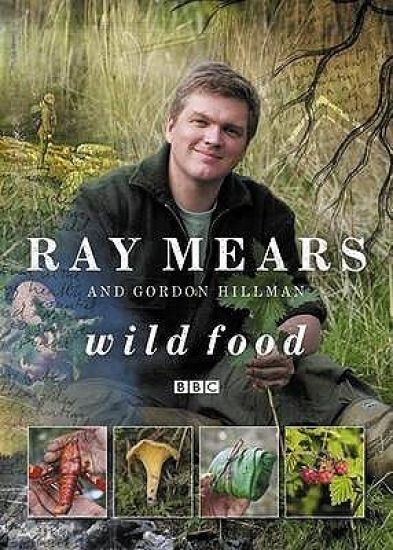
Wild Food

Ray Mears; Gordon Hillman

Hodder Paperback
2008
nidottu
Ray Mears has travelled the world discovering how native people manage to live on just what nature provides. Whats always frustrated him is not knowing how our own ancestors fed themselves and what we could learn about our own diet. We know they were hunter-gatherers, but no-one has been able to tell what they ate day to day. How did they find their calories, week in week out throughout the year? What were their staple foods? Where did they get their vitamins? How did they ensure their bodies received enough variety? In this book he travels back ten thousand years to a time before farming to learn how our ancestors found, prepared and cooked their food. This extraordinary journey reveals many new possibilities many of the same food sources are still there for us if only we know where to look. Through Ray Mears' knowledge of the countryside and the research conducted specially for this book with archaeo-botanist Gordon Hillman, we learn many new, useful and often surprising things about the amazingly rich natural larder that still surrounds us.
The Archaeobotany of Asvan

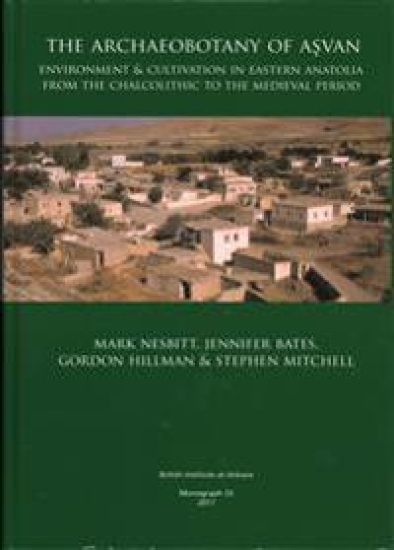
The Archaeobotany of Asvan

Mark Nesbitt; Jennifer Bates; Gordon Hillman; Stephen Mitchell

British Institute of Archaeology at Ankara
2017
sidottu
This volume contains the final publication of the archaeobotanical remains recovered from four sites at the village of Asvan in eastern Turkey, which were excavated between 1968 and 1973 as part of the archaeological rescue project in the Keban Dam region. An extensive programme of archaeobotanical research involved detailed study of the modern flora, the observation and recording of pre-mechanised agricultural practices and large-scale recovery of ancient botanical samples by water sieving. The report traces the evolution of cultivation in the region from the Chalcolithic to the Medieval period, charting the dominance of emmer and hulled barley in the Chalcolithic period, the emergence of free-threshing wheats in the Early Bronze Age and the introduction of irrigated summer crops, especially millet, by the Hellenistic period. Detailed attention is also given to the assemblage of weed seeds as proxy evidence for environmental conditions and climate change from around 4000 BC to the present day.