Kirjailija
Grace Livingston Hill
Kirjat ja teokset yhdessä paikassa: 301 kirjaa, julkaisuja vuosilta 1920–2026, suosituimpiin kuuluu Cloudy Jewel (Romance Classic). Vertaile teosten hintoja ja tarkista saatavuus suomalaisista kirjakaupoista.
301 kirjaa
Kirjojen julkaisuvuodet: 1920–2026.
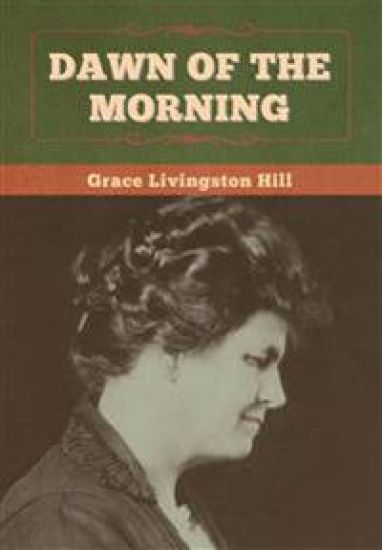
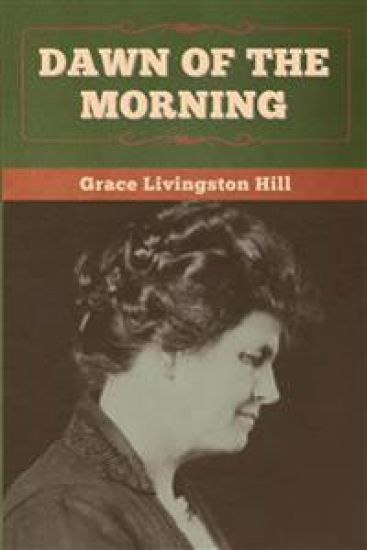
Effie Martin was humiliated Lawrence Earle, the football hero, was coming back from college, and all the girls were planning a big picnic for him. She had been planning to go, too-until she overheard the girls saying they didn't want her along because she was too rough, too much of a tomboy. Well, she'd show them. She could be as much a lady as any of them Or could she? Almost immediately Effie found herself caught in a struggle between "acting ladylike" and being herself-a struggle she was afraid of losing. Then suddenly, wonderfully, an act of heroism throws Effie into an extraordinary friendship with the football star himself And she begins the thrilling journey of becoming a woman who understands strong faith and lasting love.
Grace Livingston Hill (April 16, 1865 - February 23, 1947) was an early 20th-century novelist and wrote both under her real name and the pseudonym Marcia Macdonald. She wrote over 100 novels and numerous short stories. Her characters were most often young Christian women or become Christians within the confines of the story. Hill's writing career began as a child in the 1870s, writing short stories for her aunt's weekly children's publication, The Pansy. Her first story printed in book form was The Esselstynes, which was published in 1877 as part of the "Mother's Boys and Girls Library" by D. Lothrop & Company. A Chautauqua Idyl, her first book as a young adult, was written in 1887 to earn enough money for a family trip from her Florida home to the summer Chautauqua gathering at Chautauqua, New York. This illustrated allegory of a Chautauqua gathering held by the flowers, tree, and animals was published in time to be offered for sale that summer and brought enough earnings to take the family there. Several books written in collaboration with her family followed in the early 1890s, as well as her only children's book, A Little Servant. Lack of funds was a frequent motivator, particularly after the death of her first husband left her with two small children and no income other than that from her writing. After the death of Hill's father less than a year later, her mother came to live with her. This prompted Hill to write more frequently. During and after her failed ten-year marriage to second husband Flavius Josephus Lutz, a church organist 15 years her junior, she continued to write to support her children and mother. She stopped using the Lutz surname after they parted ways in May 1914. Although many of her earlier novels were specifically intended to proselytize, Hill's publishers frequently removed overt references to religious themes. After her publishers realized the popularity of her books, references to religious topics were allowed to remain, although she later modified her writing style to appeal to a more secular audience. The last Grace Livingston Hill book, Mary Arden, was finished by her daughter, Ruth Hill Munce, writing under the name of Ruth Livingston Hill, and published in 1948. (wikipedia.org)
Grace Livingston Hill (April 16, 1865 - February 23, 1947) was an early 20th-century novelist and wrote both under her real name and the pseudonym Marcia Macdonald. She wrote over 100 novels and numerous short stories. Her characters were most often young Christian women or become Christians within the confines of the story. Hill's writing career began as a child in the 1870s, writing short stories for her aunt's weekly children's publication, The Pansy. Her first story printed in book form was The Esselstynes, which was published in 1877 as part of the "Mother's Boys and Girls Library" by D. Lothrop & Company. A Chautauqua Idyl, her first book as a young adult, was written in 1887 to earn enough money for a family trip from her Florida home to the summer Chautauqua gathering at Chautauqua, New York. This illustrated allegory of a Chautauqua gathering held by the flowers, tree, and animals was published in time to be offered for sale that summer and brought enough earnings to take the family there. Several books written in collaboration with her family followed in the early 1890s, as well as her only children's book, A Little Servant. Lack of funds was a frequent motivator, particularly after the death of her first husband left her with two small children and no income other than that from her writing. After the death of Hill's father less than a year later, her mother came to live with her. This prompted Hill to write more frequently. During and after her failed ten-year marriage to second husband Flavius Josephus Lutz, a church organist 15 years her junior, she continued to write to support her children and mother. She stopped using the Lutz surname after they parted ways in May 1914. Although many of her earlier novels were specifically intended to proselytize, Hill's publishers frequently removed overt references to religious themes. After her publishers realized the popularity of her books, references to religious topics were allowed to remain, although she later modified her writing style to appeal to a more secular audience. The last Grace Livingston Hill book, Mary Arden, was finished by her daughter, Ruth Hill Munce, writing under the name of Ruth Livingston Hill, and published in 1948. (wikipedia.org)
Grace Livingston Hill (April 16, 1865 - February 23, 1947) was an early 20th-century novelist and wrote both under her real name and the pseudonym Marcia Macdonald. She wrote over 100 novels and numerous short stories. Her characters were most often young Christian women or become Christians within the confines of the story. Hill's writing career began as a child in the 1870s, writing short stories for her aunt's weekly children's publication, The Pansy. Her first story printed in book form was The Esselstynes, which was published in 1877 as part of the "Mother's Boys and Girls Library" by D. Lothrop & Company. A Chautauqua Idyl, her first book as a young adult, was written in 1887 to earn enough money for a family trip from her Florida home to the summer Chautauqua gathering at Chautauqua, New York. This illustrated allegory of a Chautauqua gathering held by the flowers, tree, and animals was published in time to be offered for sale that summer and brought enough earnings to take the family there. Several books written in collaboration with her family followed in the early 1890s, as well as her only children's book, A Little Servant. Lack of funds was a frequent motivator, particularly after the death of her first husband left her with two small children and no income other than that from her writing. After the death of Hill's father less than a year later, her mother came to live with her. This prompted Hill to write more frequently. During and after her failed ten-year marriage to second husband Flavius Josephus Lutz, a church organist 15 years her junior, she continued to write to support her children and mother. She stopped using the Lutz surname after they parted ways in May 1914. Although many of her earlier novels were specifically intended to proselytize, Hill's publishers frequently removed overt references to religious themes. After her publishers realized the popularity of her books, references to religious topics were allowed to remain, although she later modified her writing style to appeal to a more secular audience. The last Grace Livingston Hill book, Mary Arden, was finished by her daughter, Ruth Hill Munce, writing under the name of Ruth Livingston Hill, and published in 1948. (wikipedia.org)
Grace Livingston Hill (April 16, 1865 - February 23, 1947) was an early 20th-century novelist and wrote both under her real name and the pseudonym Marcia Macdonald. She wrote over 100 novels and numerous short stories. Her characters were most often young Christian women or become Christians within the confines of the story. Hill's writing career began as a child in the 1870s, writing short stories for her aunt's weekly children's publication, The Pansy. Her first story printed in book form was The Esselstynes, which was published in 1877 as part of the "Mother's Boys and Girls Library" by D. Lothrop & Company. A Chautauqua Idyl, her first book as a young adult, was written in 1887 to earn enough money for a family trip from her Florida home to the summer Chautauqua gathering at Chautauqua, New York. This illustrated allegory of a Chautauqua gathering held by the flowers, tree, and animals was published in time to be offered for sale that summer and brought enough earnings to take the family there. Several books written in collaboration with her family followed in the early 1890s, as well as her only children's book, A Little Servant. Lack of funds was a frequent motivator, particularly after the death of her first husband left her with two small children and no income other than that from her writing. After the death of Hill's father less than a year later, her mother came to live with her. This prompted Hill to write more frequently. During and after her failed ten-year marriage to second husband Flavius Josephus Lutz, a church organist 15 years her junior, she continued to write to support her children and mother. She stopped using the Lutz surname after they parted ways in May 1914. Although many of her earlier novels were specifically intended to proselytize, Hill's publishers frequently removed overt references to religious themes. After her publishers realized the popularity of her books, references to religious topics were allowed to remain, although she later modified her writing style to appeal to a more secular audience. The last Grace Livingston Hill book, Mary Arden, was finished by her daughter, Ruth Hill Munce, writing under the name of Ruth Livingston Hill, and published in 1948. (wikipedia.org)
Grace Livingston Hill (April 16, 1865 - February 23, 1947) was an early 20th-century novelist and wrote both under her real name and the pseudonym Marcia Macdonald. She wrote over 100 novels and numerous short stories. Her characters were most often young Christian women or become Christians within the confines of the story. Hill's writing career began as a child in the 1870s, writing short stories for her aunt's weekly children's publication, The Pansy. Her first story printed in book form was The Esselstynes, which was published in 1877 as part of the "Mother's Boys and Girls Library" by D. Lothrop & Company. A Chautauqua Idyl, her first book as a young adult, was written in 1887 to earn enough money for a family trip from her Florida home to the summer Chautauqua gathering at Chautauqua, New York. This illustrated allegory of a Chautauqua gathering held by the flowers, tree, and animals was published in time to be offered for sale that summer and brought enough earnings to take the family there. Several books written in collaboration with her family followed in the early 1890s, as well as her only children's book, A Little Servant. Lack of funds was a frequent motivator, particularly after the death of her first husband left her with two small children and no income other than that from her writing. After the death of Hill's father less than a year later, her mother came to live with her. This prompted Hill to write more frequently. During and after her failed ten-year marriage to second husband Flavius Josephus Lutz, a church organist 15 years her junior, she continued to write to support her children and mother. She stopped using the Lutz surname after they parted ways in May 1914. Although many of her earlier novels were specifically intended to proselytize, Hill's publishers frequently removed overt references to religious themes. After her publishers realized the popularity of her books, references to religious topics were allowed to remain, although she later modified her writing style to appeal to a more secular audience. The last Grace Livingston Hill book, Mary Arden, was finished by her daughter, Ruth Hill Munce, writing under the name of Ruth Livingston Hill, and published in 1948. (wikipedia.org)
Grace Livingston Hill (April 16, 1865 - February 23, 1947) was an early 20th-century novelist and wrote both under her real name and the pseudonym Marcia Macdonald. She wrote over 100 novels and numerous short stories. Her characters were most often young Christian women or become Christians within the confines of the story. Hill's writing career began as a child in the 1870s, writing short stories for her aunt's weekly children's publication, The Pansy. Her first story printed in book form was The Esselstynes, which was published in 1877 as part of the "Mother's Boys and Girls Library" by D. Lothrop & Company. A Chautauqua Idyl, her first book as a young adult, was written in 1887 to earn enough money for a family trip from her Florida home to the summer Chautauqua gathering at Chautauqua, New York. This illustrated allegory of a Chautauqua gathering held by the flowers, tree, and animals was published in time to be offered for sale that summer and brought enough earnings to take the family there. Several books written in collaboration with her family followed in the early 1890s, as well as her only children's book, A Little Servant. Lack of funds was a frequent motivator, particularly after the death of her first husband left her with two small children and no income other than that from her writing. After the death of Hill's father less than a year later, her mother came to live with her. This prompted Hill to write more frequently. During and after her failed ten-year marriage to second husband Flavius Josephus Lutz, a church organist 15 years her junior, she continued to write to support her children and mother. She stopped using the Lutz surname after they parted ways in May 1914. Although many of her earlier novels were specifically intended to proselytize, Hill's publishers frequently removed overt references to religious themes. After her publishers realized the popularity of her books, references to religious topics were allowed to remain, although she later modified her writing style to appeal to a more secular audience. The last Grace Livingston Hill book, Mary Arden, was finished by her daughter, Ruth Hill Munce, writing under the name of Ruth Livingston Hill, and published in 1948. (wikipedia.org)
Grace Livingston Hill (April 16, 1865 - February 23, 1947) was an early 20th-century novelist and wrote both under her real name and the pseudonym Marcia Macdonald. She wrote over 100 novels and numerous short stories. Her characters were most often young Christian women or become Christians within the confines of the story. Hill's writing career began as a child in the 1870s, writing short stories for her aunt's weekly children's publication, The Pansy. Her first story printed in book form was The Esselstynes, which was published in 1877 as part of the "Mother's Boys and Girls Library" by D. Lothrop & Company. A Chautauqua Idyl, her first book as a young adult, was written in 1887 to earn enough money for a family trip from her Florida home to the summer Chautauqua gathering at Chautauqua, New York. This illustrated allegory of a Chautauqua gathering held by the flowers, tree, and animals was published in time to be offered for sale that summer and brought enough earnings to take the family there. Several books written in collaboration with her family followed in the early 1890s, as well as her only children's book, A Little Servant. Lack of funds was a frequent motivator, particularly after the death of her first husband left her with two small children and no income other than that from her writing. After the death of Hill's father less than a year later, her mother came to live with her. This prompted Hill to write more frequently. During and after her failed ten-year marriage to second husband Flavius Josephus Lutz, a church organist 15 years her junior, she continued to write to support her children and mother. She stopped using the Lutz surname after they parted ways in May 1914. Although many of her earlier novels were specifically intended to proselytize, Hill's publishers frequently removed overt references to religious themes. After her publishers realized the popularity of her books, references to religious topics were allowed to remain, although she later modified her writing style to appeal to a more secular audience. The last Grace Livingston Hill book, Mary Arden, was finished by her daughter, Ruth Hill Munce, writing under the name of Ruth Livingston Hill, and published in 1948. (wikipedia.org)
Grace Livingston Hill (April 16, 1865 - February 23, 1947) was an early 20th-century novelist and wrote both under her real name and the pseudonym Marcia Macdonald. She wrote over 100 novels and numerous short stories. Her characters were most often young Christian women or become Christians within the confines of the story. Hill's writing career began as a child in the 1870s, writing short stories for her aunt's weekly children's publication, The Pansy. Her first story printed in book form was The Esselstynes, which was published in 1877 as part of the "Mother's Boys and Girls Library" by D. Lothrop & Company. A Chautauqua Idyl, her first book as a young adult, was written in 1887 to earn enough money for a family trip from her Florida home to the summer Chautauqua gathering at Chautauqua, New York. This illustrated allegory of a Chautauqua gathering held by the flowers, tree, and animals was published in time to be offered for sale that summer and brought enough earnings to take the family there. Several books written in collaboration with her family followed in the early 1890s, as well as her only children's book, A Little Servant. Lack of funds was a frequent motivator, particularly after the death of her first husband left her with two small children and no income other than that from her writing. After the death of Hill's father less than a year later, her mother came to live with her. This prompted Hill to write more frequently. During and after her failed ten-year marriage to second husband Flavius Josephus Lutz, a church organist 15 years her junior, she continued to write to support her children and mother. She stopped using the Lutz surname after they parted ways in May 1914. Although many of her earlier novels were specifically intended to proselytize, Hill's publishers frequently removed overt references to religious themes. After her publishers realized the popularity of her books, references to religious topics were allowed to remain, although she later modified her writing style to appeal to a more secular audience. The last Grace Livingston Hill book, Mary Arden, was finished by her daughter, Ruth Hill Munce, writing under the name of Ruth Livingston Hill, and published in 1948. (wikipedia.org)
Grace Livingston Hill (April 16, 1865 - February 23, 1947) was an early 20th-century novelist and wrote both under her real name and the pseudonym Marcia Macdonald. She wrote over 100 novels and numerous short stories. Her characters were most often young Christian women or become Christians within the confines of the story. Hill's writing career began as a child in the 1870s, writing short stories for her aunt's weekly children's publication, The Pansy. Her first story printed in book form was The Esselstynes, which was published in 1877 as part of the "Mother's Boys and Girls Library" by D. Lothrop & Company. A Chautauqua Idyl, her first book as a young adult, was written in 1887 to earn enough money for a family trip from her Florida home to the summer Chautauqua gathering at Chautauqua, New York. This illustrated allegory of a Chautauqua gathering held by the flowers, tree, and animals was published in time to be offered for sale that summer and brought enough earnings to take the family there. Several books written in collaboration with her family followed in the early 1890s, as well as her only children's book, A Little Servant. Lack of funds was a frequent motivator, particularly after the death of her first husband left her with two small children and no income other than that from her writing. After the death of Hill's father less than a year later, her mother came to live with her. This prompted Hill to write more frequently. During and after her failed ten-year marriage to second husband Flavius Josephus Lutz, a church organist 15 years her junior, she continued to write to support her children and mother. She stopped using the Lutz surname after they parted ways in May 1914. Although many of her earlier novels were specifically intended to proselytize, Hill's publishers frequently removed overt references to religious themes. After her publishers realized the popularity of her books, references to religious topics were allowed to remain, although she later modified her writing style to appeal to a more secular audience. The last Grace Livingston Hill book, Mary Arden, was finished by her daughter, Ruth Hill Munce, writing under the name of Ruth Livingston Hill, and published in 1948. (wikipedia.org)
Grace Livingston Hill (April 16, 1865 - February 23, 1947) was an early 20th-century novelist and wrote both under her real name and the pseudonym Marcia Macdonald. She wrote over 100 novels and numerous short stories. Her characters were most often young Christian women or become Christians within the confines of the story. Hill's writing career began as a child in the 1870s, writing short stories for her aunt's weekly children's publication, The Pansy. Her first story printed in book form was The Esselstynes, which was published in 1877 as part of the "Mother's Boys and Girls Library" by D. Lothrop & Company. A Chautauqua Idyl, her first book as a young adult, was written in 1887 to earn enough money for a family trip from her Florida home to the summer Chautauqua gathering at Chautauqua, New York. This illustrated allegory of a Chautauqua gathering held by the flowers, tree, and animals was published in time to be offered for sale that summer and brought enough earnings to take the family there. Several books written in collaboration with her family followed in the early 1890s, as well as her only children's book, A Little Servant. Lack of funds was a frequent motivator, particularly after the death of her first husband left her with two small children and no income other than that from her writing. After the death of Hill's father less than a year later, her mother came to live with her. This prompted Hill to write more frequently. During and after her failed ten-year marriage to second husband Flavius Josephus Lutz, a church organist 15 years her junior, she continued to write to support her children and mother. She stopped using the Lutz surname after they parted ways in May 1914. Although many of her earlier novels were specifically intended to proselytize, Hill's publishers frequently removed overt references to religious themes. After her publishers realized the popularity of her books, references to religious topics were allowed to remain, although she later modified her writing style to appeal to a more secular audience. The last Grace Livingston Hill book, Mary Arden, was finished by her daughter, Ruth Hill Munce, writing under the name of Ruth Livingston Hill, and published in 1948. (wikipedia.org)
Reproduction of the original: Dawn of the Morning by Grace Livingston Hill