Kirjojen hintavertailu – 12 903 725 kirjaa ja 27 kauppaa

Kirjailija

Grace Raymond Hebard

Kirjat ja teokset yhdessä paikassa: 13 kirjaa, julkaisuja vuosilta 1995–2022, suosituimpiin kuuluu Sacajawea. Vertaile teosten hintoja ja tarkista saatavuus suomalaisista kirjakaupoista.

13 kirjaa

Kirjojen julkaisuvuodet: 1995–2022.

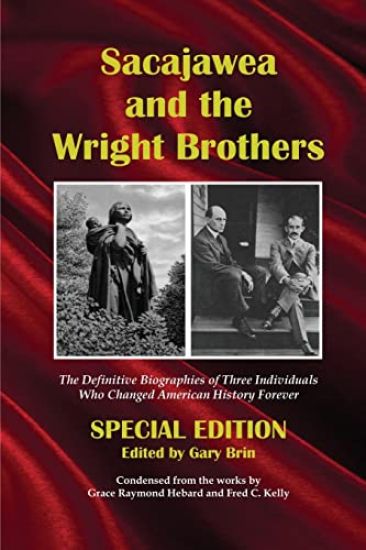
Sacajawea and the Wright Brothers

Sacajawea and the Wright Brothers

Grace Raymond Hebard; Fred Charters Kelly

Standish Press
2022
pokkari
This special edition of the historically notable biographies of Sacajawea and the Wright Brothers bring together the lives of three brave individuals that made a difference in American history simply because they were willing to challenge themselves. The lives of Sacajawea and the Wright Brothers were different in every way possible, yet they forged a place in history that today still fascinates. Sacajawea participated in the famed Lewis and Clark Expedition and unknowingly became the subject of a controversy that still lingers since her death in 1884, which is diligently detailed by historian Grace Raymond Hebard. Wilbur and Orville Wright's story of their successful attempt to create the world's first airplane, amid many failures, was written by Fred C. Kelly and authorized by Orville Wright shortly before his death. Published in one volume for the first time and edited with additional material not published previously.
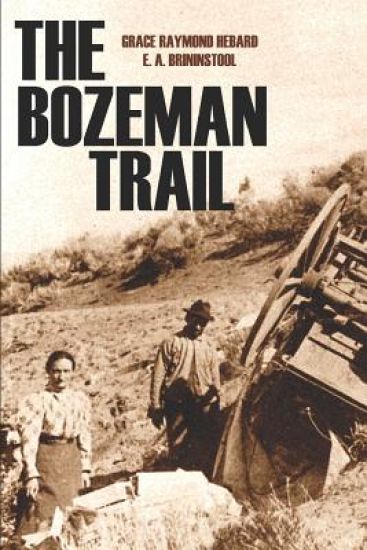
The Bozeman Trail (Annotated)

The Bozeman Trail (Annotated)

E. a. Brininstool; Grace Raymond Hebard

Independently Published
2016
nidottu
GOLD The age-old motivator and one that saw tens of thousands of Americans fueling westward expansion to the Pacific coast. In 1863, John Bozeman pioneered a route that connected Montana gold fields to the Oregon Trail. As the Civil War closed, the flow of emigrants turned into a flood, angering the Native Americans over this intrusion into their nomadic lands. The Lakota chief Red Cloud declared war. Here are the stories of the years when the dangerous Bozeman Trail was in use. From it's first wagon train to the closing of the forts that protected the route, some of the most storied pioneers of the west played a part. The legendary Jim Bridger and the Fetterman Fight are just part of the adventure. Every memoir of the American West provides us with another view of the migration that changed the country forever.
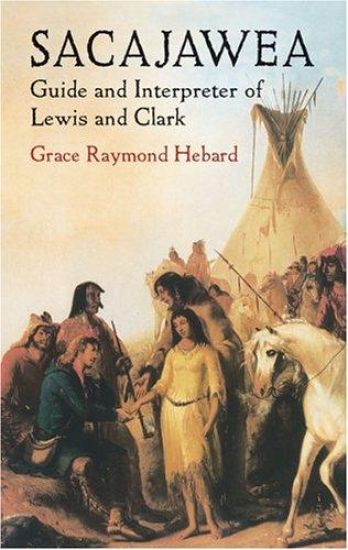
Sacajawea: A Guide and Interpreter of the Lewis and Clark Expedition
Sacajawea: A Guide and Interpreter of the Lewis and Clark Expedition is a historical non-fiction book written by Grace Raymond Hebard. The book tells the story of Sacajawea, a Shoshone woman who played a crucial role in the Lewis and Clark Expedition of 1804-1806. The author provides a detailed account of Sacajawea's life, including her childhood, marriage, and her experiences as a guide and interpreter for the expedition. The book also explores the cultural and historical context of the time period, including the interactions between Native American tribes and European explorers. Hebard's writing style is engaging and informative, and the book provides a fascinating insight into the life of a woman who played a significant role in American history. With An Account Of The Travels Of Toussaint Charbonneau And Of Jean Baptiste, The Expedition Papoose. This scarce antiquarian book is a facsimile reprint of the old original and may contain some imperfections such as library marks and notations. Because we believe this work is culturally important, we have made it available as part of our commitment for protecting, preserving, and promoting the world's literature in affordable, high quality, modern editions, that are true to their original work.
Sacajawea

Sacajawea

Grace Raymond Hebard

Dover Publications Inc.
2003
nidottu
Known to schoolchildren as the woman who guided Lewis and Clark through the wilderness to the American Northwest, Sacajawea is a figure of fascinating historical interest. The sister of a Shoshone chief kidnapped by enemy tribesmen, she married a French trader, became a mother, and joined the Lewis and Clark expedition all while she was still a teenager. This book -- first published in 1933, nearly 50 years after the date the author accepts for Sacajawea's death -- tells the story of this remarkable woman and attempts to assess her rightful place in the history of American exploration. Basing her argument on 30 years of meticulous research, author Grace Hebard unravels the tangled threads of Sacajawea's family's life and traces the careers of her son Baptiste (the "papoose" of the Lewis and Clark expedition) and of her adopted son Bazil. Descriptions of Sacajawea's personal traits are provided, as is the record of her bravery and endurance. Specially noted are the significant services she rendered during the expedition and while she acted as counselor to her own people. The book also reveals the real reason Sacajawea left her husband, discloses the true meaning of her name, makes a case for her "lost years" among the Comanches, and furnishes much other data. Enhanced with 21 illustrations, including a map and appendices containing testimonies by Indian agents, missionaries, teachers, and Shoshone people, this often inspirational study and historical argument for Sacajawea's later years throws a unique light on the life and deeds of a true Native American heroine.
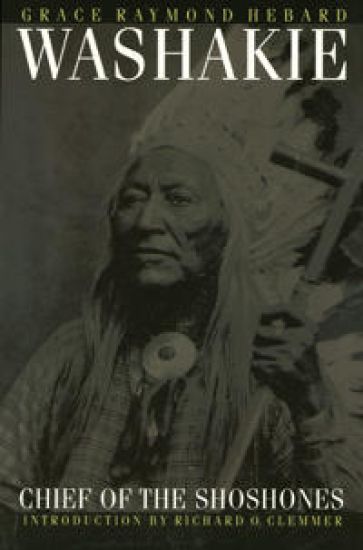
Washakie, Chief of the Shoshones

Washakie, Chief of the Shoshones

Grace Raymond Hebard

Bison Books
1995
pokkari
Washakie was chief of the eastern band of the Shoshone Indians for almost sixty years, until his death in 1900. A strong leader of his own people, he saw the wisdom of befriending the whites. Grace Raymond Hebard offers an engaging view of Washakie's long life and the early history of Shoshone-occupied land—embracing present-day Wyoming and parts of Montana, Idaho, and Utah. Washakie is seen signing historic treaties, aiding overland emigrants in the 1850s, and finally assisting whites in fighting the Sioux. According to Hebard, Washakie's role in the battle on the Rosebud in June 1876 saved General Crook from the fate that befell General Custer eight days later on the Little Big Horn.