
Kirjailija
Graciliano Ramos
Kirjat ja teokset yhdessä paikassa: 10 kirjaa, julkaisuja vuosilta 1965–2025, suosituimpiin kuuluu Vidas Secas. Vertaile teosten hintoja ja tarkista saatavuus suomalaisista kirjakaupoista.
10 kirjaa
Kirjojen julkaisuvuodet: 1965–2025.

7 melhores contos - Regionalismo
Monteiro Lobato; Graciliano Ramos; Coelho Neto
Tacet Books
2025
pokkari
Graciliano Ramos nos oferece um olhar contundente e perspicaz sobre a cultura nacional, pol tica e estrutura social do Brasil na primeira metade do s culo XX. Com ironia mordaz, o autor mergulha no mal-estar cultural brasileiro, expondo opini es incisivas sobre os dilemas profundos que moldaram a forma o do pa s. Esta obra desafia o leitor a refletir sobre a identidade nacional atrav s de um prisma cr tico e provocativo, revelando nuances e complexidades da alma brasileira.
Na cole o 7 Melhores Contos, o cr tico August Nemo apresenta autores que fazem parte da hist ria da literatura em l ngua portuguesa. Neste volume temos, Graciliano Ramos. Com uma prosa enxuta e precisa, ele mergulha no universo brasileiro, oferecendo narrativas profundamente conectadas nossa realidade. Estes contos n o fogem de temas dif ceis; pelo contr rio, exploram a opress o e as lutas pela sobreviv ncia com um olhar cr tico e sens vel. Entre personagens complexos e hist rias que revelam os conflitos internos diante de circunst ncias desafiadoras, Graciliano Ramos nos presenteia com uma an lise perspicaz da psiqu humana, deixando sua marca inconfund vel na literatura brasileira. Este livro cont m os seguintes contos: - Baleia: a cachorra, adoentada e fr gil, cuidada pela fam lia de Fabiano. Sua luta contra a doen a reflete a dura realidade sertaneja.- Luciana: a jovem experimenta a curiosidade e a descoberta atrav s da intera o com um periquito chamado Minsk, trazendo uma nova perspectiva sua vida cotidiana.- Minsk: um periquito peculiar se torna o centro das aten es, alterando a din mica familiar e trazendo encantamento para Luciana.- Uma visita: uma visita inesperada de um diretor de revista, um romancista e uma cantora de r dio agita a rotina de um escritor decadente, revelando tens es e ambi es ocultas.- Ins nia: um homem atormentado por uma pergunta incessante em suas noites insones, explorando a fragilidade humana e os dilemas internos.- A terra dos meninos pelados: Raimundo Pelado, com um olho azul e outro preto, se aventura na Terra de Tatipirun, onde todos s o como ele, descobrindo um mundo onde sua diferen a a norma.- Um ladr o: a breve felicidade de um ladr o o leva a cometer erros que mudar o o curso de sua vida, destacando a ironia e a efemeridade da sorte. Se voc gosta de boa literatura, confira os outros livros da Cole o 7 melhores contos. Boa leitura
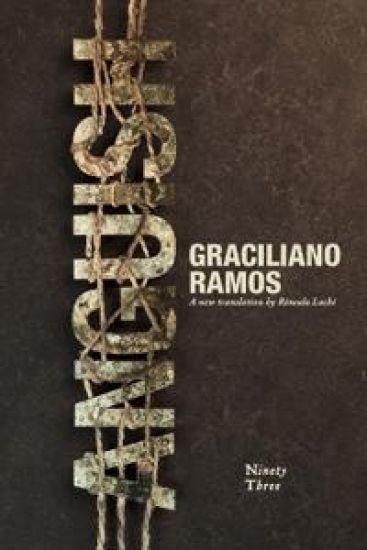
Graciliano Ramos (1892-1953) was one of the greatest Brazilian writers of the 20th century. He was translated into several languages and published in several countries. His work inspired plays, radio soap operas and films, such as Vidas Secas, an adaptation of his most famous novel, which was brought to the screen in 1963 and won the Genoa Film Festival prize and the jury prize at the Cannes Film Festival. He worked as a translator, journalist and politician, as well as a writer, having been imprisoned, without charge or trial, for eleven months during the dictatorial Estado Novo government of Get lio Vargas. Anguish, one of his best works and the book we are presenting here, was published in 1936, during the period in which he was imprisoned. The protagonist and narrator of Anguish is Lu s da Silva, a thirty-five-year-old civil servant, the last descendant of a ruined rural oligarchy. He spends his days in a mediocre and unemotional way, until he falls in love with his neighbor, Marina, and even asks her to marry him. Marina, however, leaves him and falls for the charms of his greatest rival, Juli o Tavares, a wealthy and well-connected but shallow and pretentious man. Told in a non-linear first-person narrative, the book is a grand experiment in stream-of-consciousness, describing its protagonist's conflicts and grievances in dry, harsh, and vivid prose. Anguish was originally published in the United States by Alfred A. Knopf in 1946 and again in 1972, and has not been reprinted since. We are pleased to present this masterpiece by the Brazilian writer in a new translation by R mulo Lachi.
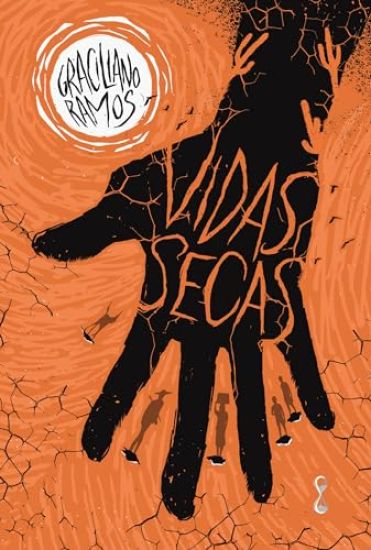
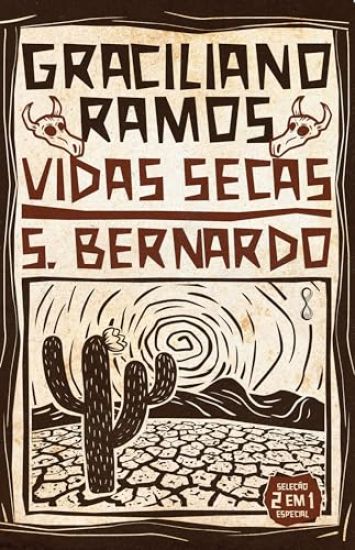
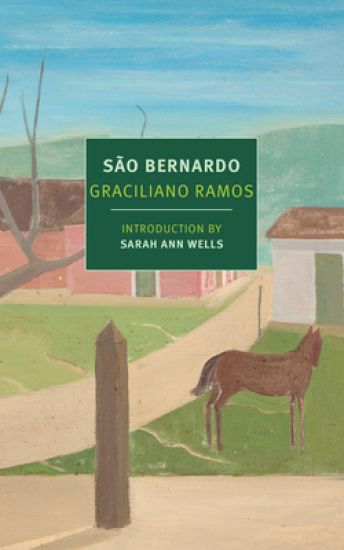
A masterwork about backcountry life by one of Brazil's most celebrated novelists. In 1941, a national literary poll in Brazil named Graciliano Ramos one of the country's ten greatest novelists--one of only four living authors on the list. His reputation has only increased there in the sixty years since his death. Brazilian readers fight over which of his novels is their favorite. Now St. Bernardo, his second-to-last novel, has been freshly translated for North American readers. This gritty, dryly funny book tells the story of Paulo Hon rio, a field hand who learns to read and write in jail, emerging with the ambition of buying and restoring to greatness the now-decrepit property where he was once a day laborer. St. Bernardo, named for his ranch, is the memoir of his rise and fall, written in his own rough-hewn voice. Flavored with subtle ironies and rich local idioms, St. Bernardo will appeal to readers of William Faulkner and Juan Rulfo, anyone who loves a tragicomic story of a striving outsider and self-made man, ruthless and tender in turns.
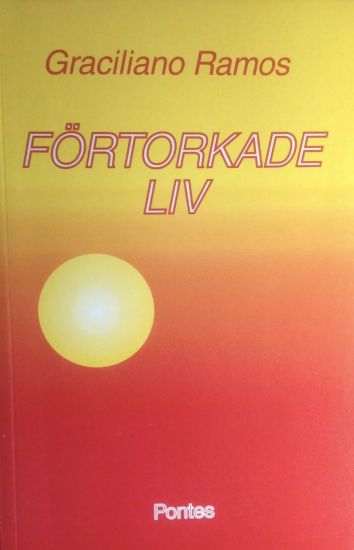
Graciliano Ramos (1892–1953), Brasilien, betraktas som en av sitt hemlands mest framstående författare. Han var också verksam som journalist och politiker. I två år satt han fängslad för sina åsikters skull, en erfarenhet som han beskrivit i verket Fängelseminnen, ett slags ögonvittnesskildring av de fasansfulla förhållandena som rådde i Brasiliens fängelser under diktatorn Vargas tid. Litterärt räknas Ramos till socialrealisterna. Förtorkade liv, Vidas secas, är Ramos mest berömda roman. Den publicerades på trettiotalet och liksom hans övriga tre romaner utspelar den sig i Nordeste. ”Det är en berättelse som mycket på grund av sitt karga språk får läsaren att känna flyktingarnas umbäranden inpå huden. Det är inte bara torkan som förföljer familjen, utan den blir också offer för dem som har makten.” – Eva Stenvång
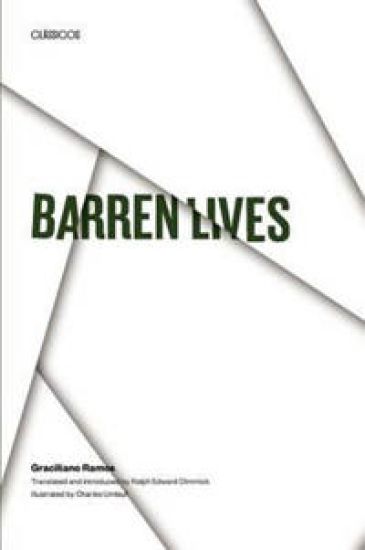
A peasant family, driven by the drought, walks to exhaustion through an arid land. As they shelter at a deserted ranch, the drought is broken and they linger, tending cattle for the absentee ranch owner, until the onset of another drought forces them to move on, homeless wanderers again. Yet, like the desert plants that defeat all rigors of wind and weather, the family maintains its will to survive in the harsh and solitary land. Intimately acquainted with the region of which he writes and keenly appreciative of the character of its inhabitants, into whose minds he has penetrated as few before him, Graciliano Ramos depicts them in a style whose austerity well becomes the spareness of the subject, creating a gallery of figures that rank as classic in contemporary Brazilian literature.