Kirjojen hintavertailu – 12 903 725 kirjaa ja 27 kauppaa

Kirjailija

Graeme Smith

Kirjat ja teokset yhdessä paikassa: 27 kirjaa, julkaisuja vuosilta 1999–2025, suosituimpiin kuuluu Oxford 1937: The Universal Christian Council for Life and Work Conference. Vertaile teosten hintoja ja tarkista saatavuus suomalaisista kirjakaupoista.

27 kirjaa

Kirjojen julkaisuvuodet: 1999–2025.

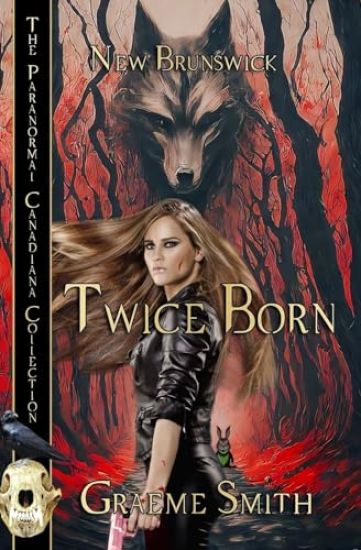
Twice Born

Twice Born

Graeme Smith

BWL Publishing Inc.
2025
pokkari
There should have been thunder. There should have been lightning tearing the skies and the very heavens weeping. There should have been portents and comets and demons of fire riding skeletal horses of ice-white bone-but if there had been, this would have been a movie. Probably with very artistic lens flare. So there wasn't. There was a cottage. And a future I was going to make damn sure never happened. Once upon a time... Editorial Review by Gail Branan Twice Born -- Welcome back to Graeme Smith's world. Step inside but be careful of the Shadows. They're not what you think they are.
Glasgow Harbour

Glasgow Harbour

Graeme Smith; Mike McCreery

AMBERLEY PUBLISHING
2025
nidottu
Glasgow Harbour, the port and shipbuilding centre along the River Clyde from Glasgow Green to the River Kelvin and beyond to Clydebank, became the greatest seaport in Scotland and one of the largest in Britain. Through a mixture of striking illustrations, this book recounts the early history, development, pioneering inventions and importance nationally and internationally of Glasgow Harbour, as well as its regeneration today. From the seventeenth century Glasgow became one of the major hubs of trade across the Atlantic and to the rest of the world. In the eighteenth century Glasgow adopted new methods to deepen and engineer the River Clyde to make it more useful and the largest and most advanced docks were to be built, with some 12 miles of busy quayside lining the river. By the nineteenth century Glasgow was also the world-leading shipbuilding centre, including such famous names as Fairfield, John Brown, Beardmore, Barclay Curle, Stephen and Connell. Later Yarrow and Harland & Wolff joined the ranks of shipbuilders, and at its peak over seventy shipping lines operated from the city. Although heavy industry in Glasgow Harbour has shrunk, today much of the waterfront is being regenerated. Graeme Smith and Mike McCreery tell the fascinating story of Glasgow Harbour from its early days to the present – how ‘Glasgow made the Clyde, and the Clyde made Glasgow’.
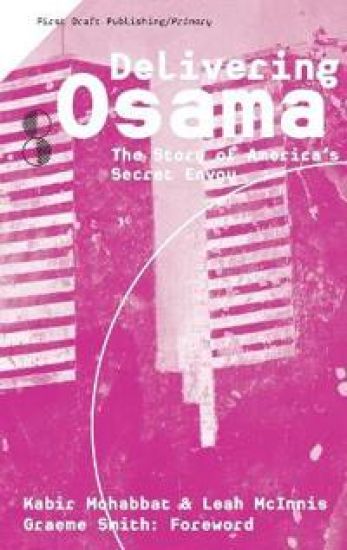
Delivering Osama

Delivering Osama

Kabir Mohabbat; Leah McInnis; Graeme Smith

First Draft Publishing Gmbh
2020
pokkari
Taliban: A Critical History from Within by Abdul Hai Mutma'in offers an inside account of the Afghan movement and their government. In his preface, the author notes that his book will please neither supporters of the Taliban nor those who fight and condemn them. It is this trenchant quality that makes it unique among the memoirs of those who used to work for and with the Taliban. Mutma'in's account often feels like a corrective, critical of those outside the Taliban but also of the movement itself. Whereas most books of this kind stop with the invasion of the United States in October 2001, Mutma'in shares the story of how the Taliban fled, how resistance was organised and how they grew into a potent insurgency force. Mutma'in's book is essential reading for anyone seeking to understand the Taliban and recent Afghan history.
Tell Your Story.: Using Amazon.com

Tell Your Story.: Using Amazon.com

Graeme Smith

Independently Published
2019
nidottu
Hi Graeme, I've been taking your advice. So my second book is now listed on Amazon. It works. I have several more waiting for some editing and indexes. I even wrote one about my art. John Newell (Canada)Here is the introduction to the book John is referring to: WHY AMAZON. COM? Amazon.com is quite different from ALL other publishers. When Amazon.com started only ebooks were published. They are electronic books with NO actual printed material. Book publishing came much later when the Amzon.com eBook system was adapted. As a result Amazon.com has become the biggest publisher in world. Amazon has different pathways for novels and text/reference books. There are major differences to traditional publishing. Methods used with other publishers do NOT work with Amazon.com. A publisher publishes AND sells actual books made of paper. Publishers earn money by selling books. Once printed a book cannot be changed so all editing is done BEFORE publication. How is Amazon.com book publishing different? The system Amazon.com uses for eBooks is similar as it is still ELECTRONIC. Amazon.com has a huge store of electronic books. Amazon.com publishes physical books too but they are printed versions of eBooks. Although Amazon.com publishes a wide variety of books it sells titles NOT books. So methods used by other publishers are NOT used by Amazon.com. There are advantages for authors as a result if you know of and use the opportunities provided. You keep creative control and own copyright. Printing on demand means your book will never be out of stock. Your book can be in languages Amazon.com supports. Reach readers in the US, Europe, and Japa
All My Careers: Memories of a lifetime.

All My Careers: Memories of a lifetime.

Graeme Smith

Independently Published
2019
nidottu
ALL MY CAREERS *** Memories of a lifetime *** born Young 1936..***.. EMPLOYMENT: ***.. Euabalong P. S. 1956..***.. Parkes P S 1957 - 65..***.. Macquarie Boys H S 1966 - 67..***.. Lurnea H S 1967..***.. James Ruse Agricultural H S 1968- 69..***.. NSW Dept of Ed Metropolitan West Region 1970 - 77...***.. Mount Austin H S 1976 -79..***.. NSW Dept of Ed Riverina Region 1980 - 81..***.. ALSO: ..***.. Education lecturer Macquarie University..***.. Art Ed lecturer Charles Sturt University..***.. Art curator Charles Sturt University..***.. EDUCATION: ..***.. Orange H S 1948 - 52..***.. Bathurst Teachers College 1954 - 55..***.. National Art School - distinctions ALL final year subjects. (1966 -1970)..***.. Macquarie University 1974 - 84..***.. SPORT: ..***.. Bathurst Cricket Association 1954..***.. Dubbo C A 1955..***.. Lake Cargelligo C A 1956..***.. Parkes C A-1957 - 65..***.. Sydney Churches Competition 1970 - 75..***.. Riverine Club Wagga-1985 - 90..***.. HOCKEY: ..***.. PLAYER: ..***.. Bathurst Teachers College 1954 - 55..***.. Parkes HA Pioneers 1956..***.. Parkes HA Ex-Students 1957..***.. Parkes HA Magpies 1958 - 65..***.. Sydney HA Northern Districts 1966..***.. Sydney HA Cumberland 1967 - 1971 (retired)..***.. COACH HOCKEY: ..***.. Parkes Magpies (1965)..***.. NSW Combined High Schools (1971-74)..***.. Sydney University (1973-74)..***.. NSW University 1975 - 1976..***.. Co - Founded NSW Hockey Coaches Federation (1974)..***.. Department of Education CHS 1970 - 1973..***.. Wagga Wagga Hockey Association 1978..***.. CO-FOUNDED: ..***.. Parkes Magpies Hockey Club (1958)..***.. Parkes Junior Hokey playing structure (1963)..***.. Wagga CHA..***.. UMPIRE: ..***.. Australian Umpire (1969)..***.. N. S. W. H. A.: ..***.. Selector (1963 - 1977)..***.. Executive (1966 - 1977)..***.. Deputy President NSWHA (1976 - 1977)..***.. CARS: ..***.. Austin-Healey, Allard J2X, Austin A/40, Alfa Romeo Bertone coupe, Citroen GS, Holden FJ., Holden Barina, Honda Scamp, Honda Accord hatch, Honda Integra, Honda Prelude, Jaguar E Type, MGTF, MGTF 1500, MGTD, MGA 1955, MGA Coupe, MGBGT, Mini Clubman, Mini K panel van, Rover V8, Triumph Herald convertible, Triumph Dolomite, Vauxhall Cresta, Vauxhall VX 490, Vauxhall VX 490...***.. CAR CLUBS: ..***.. JOINED: ..***.. MG Car Club (Sydney)..***.. Central West Car Club..***.. Alfa-Romeo Car Club..***.. Citroen Car Club..***.. MG Car Club (ACT)..***.. FOUNDER: .. MG Car Club of Wagga Wagga (1989)..***Gathering of Faithful MG car event (1996)..***.. ARTIST: ..***..2 works hung in Wynne Prize (1969) major Australian award)...***.. Won various art awards and had 22 one-man exhibitions...**.. Judged art shows in various parts of Australia...***.. ART EDUCATION: ..***.. Art Consultant NSW Department of Ed. 1970-77 (Sydney)...**.." SPACE Art Education" primary schools NSW (1970 to 1997)...***.. Co-Founded NSW Art Education Association (1972) ..***.. Art consultant with NSW Department of Ed. from 1980-81 (Riverina)...***.. Developed Career Guides for professional artists (1999 to 2009)...***.. Mentor to artists and galleries owners..***.. MARKETING: ..***.. Partner in Business Thinking Systems, Wagga Wagga (1999-2004)..***.. GALLERY FOUNDED: ..***.. Riverina Galleries, Wagga Wagga (Old Brewery Gallery) 1979 to 1997..***.. Riverina Framing (980-90)..***.. CONSULTANT/CURATOR: ..***.. Charles Sturt University (1985-94)..***.. AUTHOR: ..***.. NEWSPAPERS: ..***.. Hockey reporter for Parkes Champion Post (1959-1965)..***.. Parkes cricket reporter for Dubbo Liberal (1964-1965)..***.. NSW reporter for Hockey Circle (1961-1976)..***.. MAGAZINES: ..***.. Monthly in 'Australian Artist' magazine (from 1995)..***..'International Artist' (from 2002)..***.. PUBLISHED: ..***..'Art Professional' newsletter (from 1995)..***.. Art Professional Marketing (Kindle books)..***.. ArtPak a correspondence course for artists (1995)..**.. BOOKS: ..***.. Coaching Creative Hockey..***... Handout to teachers..***.. SPACE Art E

Supplementary Guide 5E - LANDSCAPES: An Art Career

Supplementary Guide 5E - LANDSCAPES: An Art Career

Graeme Smith

Independently Published
2018
nidottu
Photographs are a basis for learning about realism. Any photograph is of something. So continue with the subject matter you want to paint really well. Then you are continuing down the correct path (for you). Your focus is always on landscapes. Like the Californian artist don't just select any landscape but focus on one (rural, urban). Then even from the start you can become a specialist. You will also focus on something you are interested in. This will help maintain the necessary motivation while you learn. You get to understand your landscape. Over time you will develop the individual paining skills needed. You will also know how to paint your subject your way. Move from a general focus to a narrower one. Say instead of rural landscapes you focus on those of a specific area, or haystacks. You'll note the similarities and also the differences. Because they are all landscapes you will learn much quicker. Eventually you can focus on another subject. You'll note the similarities and also the differences there too. Because they are related to your original theme you will learn much quicker. From landscape at a certain time of the year to another at the same time is an example. Then from one kind of landscape to other entirely different landscapes. Follow this pattern for long enough, and you'll be able to paint anything People who do things well also do them faster than those who don't. That applies to painting just as much as anything else. It's one of the indicators of skill. By now you should have noticed that repetition helps your own skill development. Skill in art, sport or even medicine is basically the same phenomenon. It's practiced behaviour in action. Most artists don't do anywhere near enough to develop real skill. Working on a number of experiments at the same time will increase productivity. For you reduce wasted time. Once you run into a dead-end with one painting move to another for a fresh start. When the initial painting is returned to, there will be a different attitude, or set it aside again. Usually you'll find most works will finish fresh and roughly about the same time. Working on a number of paintings at the same time also saves materials. A particular colour can be applied to the experiment for which it was intended. BUT there are bound to be others where that same colour will be appropriate. When you buy paint, buy in quantity, but only use as needed. Avoid major works. They take time (even years), are usually done slowly and are often large and complex. You'll tend to labour over them as you try to do your best. Instead occasionally do a slightly larger experiment. Focus on learning what you can. Action with materials = technique. Practiced techniques = skill. Habitual technique + skill = style.
Supplementary Guide 5A ANIMALS: An Art Program

Supplementary Guide 5A ANIMALS: An Art Program

Graeme Smith

Independently Published
2018
nidottu
As a basis for learning about realism use photographs (at least to start with). Any photograph is of something. So instead of selecting random subject matter select the kind you'd like to paint. An artist who lived in California wanted to learn how to paint polar bears. In addition his painting skills were quite modest. I suggested he should do many small experimental studies by looking at photographs. It did not matter whether they were finished or not for they were ways of learning about bears. After 250 such studies he did his first painting with no polar bear or photograph. He was totally surprised at how well his polar bear turned out. In addition the standard of the work was infinitely better than it had been in the past. He had internalized his learning. The polar bears he created were his not any photographer's either for they were his So if you want to learn to paint animals, then choose animal photographs. Like the Californian artist don't just select any animal focus on one (tiger, cat, horse). You get to understand your animal and over time you develop the individual paining skills needed. You will also know how to paint your subject your way and eventually you can focus on another subject. If it is related to your original theme you will learn much quicker. From one breed of dog to another is an example and then from one kind of animal to another. You'll note the similarities and also the differences. Follow this pattern for long enough, and you'll be able to paint anything Painting a large number of experiments will develop painting skills, and also attitude. You'll become more discerning, because you acquire more experience. You'll not need, nor want, other people's assessments. Let's say you want to learn to paint dogs, then paint dogs not figures. BUT do NOT worry about how they turn out, just paint them and in time they'll improve. Maybe you don't believe this? Years ago I trialed an art education program in a primary (elementary) school. The art teaching process was very closely linked to the materials issued to the pupils. The particular material combinations chosen were not random. They were designed to introduce some quite specific experiences to the pupils. However their challenge was to see what they could create with any given combination. One teacher noticed a particular boy over a series of lessons. In the earliest lessons there were always two blobs present in the work. It didn't matter what he was given by the teacher. Over a period of time these blobs gradually changed into two birds. They were just basic symbol-type birds, such as most people might do. But as the lessons continued the birds improved. There were more details and eventually they became recognizable as budgerigars. The teacher realized this boy was making budgerigars no matter what materials he was given. He tried to find a combination of materials that couldn't be turned into budgerigars. The boy always found a way to make the birds. One time he even pin-pricked budgerigars onto paper. What chance was there that this kid might become the best budgerigar artist in the world? If he continued, I'd say every chance. Why did he do this? Well the teacher discovered (surprise) he had two pet budgerigars. They meant more to this boy than anything else. Because the teacher DIDN'T tell him what to do he could express his feelings and knowledge. He also got much better at it That's how it should be learning to paint anything you want. Just do them. They'll improve provided the motivation is strong enough.
Supplementary Guide 5F - PORTRAITS: An Art Career

Supplementary Guide 5F - PORTRAITS: An Art Career

Graeme Smith

Independently Published
2018
nidottu
An artist who lived in California wanted to learn how to paint polar bears. In addition his painting skills were quite modest. I suggested he should do many small experimental studies by looking at photographs. It did not matter whether they were finished or not for they were ways of learning about bears. After 250 studies he tried his first painting without a polar bear or a photograph. He was totally surprised at how well his polar bear turned out. In addition the standard of the work was infinitely better than it had been in the past. He had internalized his learning. The polar bears he created were his not any photographer's either. They were his As a basis for learning about realism use photographs (at least to start with). Any photograph is of something. So instead of selecting random subject matter select the kind you'd like to paint. If you want to learn to paint portraits, then choose facial photographs. So like the Californian artist don't just select any focus on one. Then even from the start you can become a specialist. You get to understand portraits. Over time you will develop the individual paining skills needed. You will also know how to paint your subject your way. You want to learn to paint portraits - then paint portraits. BUT do NOT worry about how they turn out. Just paint them and in time they'll improve. Maybe you don't believe this? I know a lady who is a fashion illustrator. When she was a girl she used to draw people who were on TV. She became both very good and also quick. Some years ago I tested an art education program in an elementary school. The art teaching process was very closely linked to the materials issued to the pupils. The particular material combinations chosen were not random. They were designed to introduce some quite specific experiences to the pupils. However their challenge was to see what they could create with any given combination. One teacher noticed a particular boy over a series of lessons. In the earliest lessons there were always two blobs present in the work. It didn't matter what he was given by the teacher. Over a period of time these blobs gradually changed into two birds. They were just basic symbol-type birds, such as most people might do. As the lessons continued the birds improved. There were more details and eventually they became recognizable as budgerigars. The teacher realized this boy was making budgerigars no matter what materials he was given. He tried to find a combination of materials that couldn't be turned into budgerigars. The boy always found a way to make the birds. One time he even pin-pricked budgerigars onto paper. What chance was there that this kid might become the best budgerigar artist in the world? If he continued, I'd say every chance. Why did he do this? Well the teacher discovered (surprise) he had two pet budgerigars. They meant more to this boy than anything else. Because the teacher DIDN'T tell him what to do he could express his feelings and knowledge. He also got much better at it That's how it should be learning to paint portraits if that's what you want. Just do them. They'll improve provided the motivation is strong enough. It's also how you can develop confidence Imagine and learn new ways. An artist, during the act of creating a work is expressing something. Expression is a unique personal action. For example three artists attempt to paint the same subject, exactly as seen. They will finish with three different works. The differences can be attributed to the various artists' expression. Their works are symbols for this expression.
Coach Creativity Skill: Supplementary Guide BLUE

Coach Creativity Skill: Supplementary Guide BLUE

Graeme Smith

Independently Published
2018
nidottu
CoachThe best sports coaches, in any sport, changes, improve or otherwise modifies behaviour. They have a basic understanding that each student is different. Coach Creativity Skill is also non-cultural. Students and teachers in any culture, speaking any language, can experience Coach Creativity Skill. So there is NO group or individual who cannot be a student of this program. CreativityCreativity is divergent + convergent thinking followed by an expressive act. Years ago I had one of those 'Eureka' moments you may have heard about. Some teachers stopped listening to what I was saying and became involved in what they were doing. That's when I made a startling and unexpected discovery - the teachers were exhibiting creativity In the experiments you and your students experienced, the same thing happened. You were in my role and your students were like those teachers. At that time I had read quite a few studies into creativity, creativeness and similar ideas. So at least I had an idea of what creativity was - the invention of new knowledge It's a behaviour that is intrinsic to both art and education and is NOT language based Non-verbal education ought to be before anything based on language for that's how we learn. After we know something we can start to find words for that knowledge. SkillSkill is developed by repetition of a behaviour over a period of time. It is therefore built from situations where the behavior is limited. Creativity is a behavior, so like any other behavior, skill can be developed. People considered creative possess that skill. But how do you get have high level autonomous creativity? With practice comes control and we can predict what might happen. As we practice even more we become increasingly effective, and the results are better. Most really creative people work at this level as a result of years of experience. But developing skill takes a lot of time. All children learn to solve problems for that's how they learn to talk, walk and many other things. Adults learning the same things tend to be impatient and not to allow sufficient time for skill to develop. The sport of body building illustrates what should take place. The athlete completes many lifts of weights over a lengthy period of time. Small increments of additional weight are applied at regular intervals. Eventually the weight-lifter builds sufficient strength to lift very heavy weights. Weights that would have been impossible at the beginning of this training process. Developing skilled creativity is no different Many repetitions of anything with interest and motivation = skill development. Coach Creativity Skill is not rocket science but common sense. Instead of a few seeming to be creative all students are.
An Art Program: Based on unchanging principles.

An Art Program: Based on unchanging principles.

Graeme Smith

Independently Published
2018
nidottu
ART..***.. What is essential for art to exist?..***.. If Art = x then x must happen whenever art happens..***.. Not sometimes, occasionally or even mostly BUT - ALWAYS..***.. There IS an answer and it is the foundation of AN ART PROGRAM..**.. Which means this book is grounded in philosophy and so doesn't date. SKILL..***..is developed by repetition of a behaviour over a period of time..***.. It is necessary therefore to build from situations where the behaviour is limited..***... Artistic activity is a behaviour, so like any other behaviour, skill can be developed..***.. People considered artistic possess that skill. But how do you get to situations that demand high level autonomous skill?..***.. Performance of a task is related to practice at that task..***.. With more practice comes control and we can predict what might happen..***.. As we practice even more we become increasingly effective, and the results are better..***.. Most really skilled people work at this level as a result of years of experience. But developing skill takes a lot of time..***.. All children learn problem solving skills for that's how they learn to talk, walk and other things..***.. Adults learning tend to be impatient and not allow sufficient time to develop skill. The sport of body building illustrates what should take place..***.. The athlete completes many lifts of weights over a lengthy period of time..***.. Small increments of additional weight are applied at regular intervals..***.. Eventually the weight-lifter builds sufficient strength to lift very heavy weights..***.. Weights that would have been impossible at the beginning of this training process. Developing artistic skill is no different ..***.. Many repetitions of anything with interest and motivation = skill development..***.. It is necessary therefore to build from situations where limited skill operates. AN ART PROGRAM is not rocket science but common sense..***.. Instead of a few seeming to be talented all students are..***.. AN ART PROGRAM works because it is right..***.. The thinking and the practice are in harmony..***.. But it has also been tested in real life..***.. AN ART PROGRAM is not rocket science but common sense..***.. Brought right up to date in this book. THE REAL TEST..***.. The success of this program is measured by artistic development..***.. This might be of yourself or your students...***.. BUT it's not me that will build your art ability..***.. You are the artist ..***.. To get ANY benefit you must actually DO something ..***.. There is very little benefit gained by merely reading my material..***.. It is built from situations where the behavior is limited. AN ART PROGRAM is not rocket science but common sense.
Coach Creativity Skill: Supplementary Guide GREEN

Coach Creativity Skill: Supplementary Guide GREEN

Graeme Smith

Independently Published
2018
nidottu
CoachThe best sports coaches, in any sport, changes, improve or otherwise modifies behaviour. They have a basic understanding that each student is different. Coach Creativity Skill is also non-cultural. Students and teachers in any culture, speaking any language, can experience Coach Creativity Skill. So there is NO group or individual who cannot be a student of this program. CreativityCreativity is divergent + convergent thinking followed by an expressive act. Years ago I had one of those 'Eureka' moments you may have heard about. Some teachers stopped listening to what I was saying and became involved in what they were doing. That's when I made a startling and unexpected discovery - the teachers were exhibiting creativity In the experiments you and your students experienced, the same thing happened. You were in my role and your students were like those teachers. At that time I had read quite a few studies into creativity, creativeness and similar ideas. So at least I had an idea of what creativity was - the invention of new knowledge It's a behaviour that is intrinsic to both art and education and is NOT language based Non-verbal education ought to be before anything based on language for that's how we learn. After we know something we can start to find words for that knowledge. SkillSkill is developed by repetition of a behaviour over a period of time. It is therefore built from situations where the behavior is limited. Creativity is a behavior, so like any other behavior, skill can be developed. People considered creative possess that skill. But how do you get have high level autonomous creativity? With practice comes control and we can predict what might happen. As we practice even more we become increasingly effective, and the results are better. Most really creative people work at this level as a result of years of experience. But developing skill takes a lot of time. All children learn to solve problems for that's how they learn to talk, walk and many other things. Adults learning the same things tend to be impatient and not to allow sufficient time for skill to develop. The sport of body building illustrates what should take place. The athlete completes many lifts of weights over a lengthy period of time. Small increments of additional weight are applied at regular intervals. Eventually the weight-lifter builds sufficient strength to lift very heavy weights. Weights that would have been impossible at the beginning of this training process. Developing skilled creativity is no different Many repetitions of anything with interest and motivation = skill development. Coach Creativity Skill is not rocket science but common sense. Instead of a few seeming to be creative all students are.
Coach Creativity Skill: Supplementary Guide ORANGE

Coach Creativity Skill: Supplementary Guide ORANGE

Graeme Smith

Independently Published
2018
nidottu
This supplementary guide is for upper primary school aged students. They could be your class, friends of your children, church group, sporting group, scouts, art group or any similar upper primary school aged groupThe Supplementary Guides are a selection of programs. Each program provides practical support for creativity skill development. The programs ensure continuity and variety of experience according to student need. There are suggested ways for YOU to plan your own program. You are provided with the basic planning criteria from which you can choose a path. Then you can ensure continuity and variety of experience according to student need. Students are developing their innate creative behaviour. Experience is gained which forms the basis for later creativity skill development. Thus there is a greater need for repetition than for older and more mature students. Variations within a limited range of materials will provide the best foundation. You know that creativity is something someone does. They solve a problem or invent something or at bring into existence something new. That means like all other behavior, skill can be developed. BUT the hardest part of developing any skill is to keep going for long enough Many repetitions of the appropriate behaviour are required over a long period of time. In addition there must be an ever-higher level of difficulty to improve performance. Developing skilled creativity is no different Planning criteria is introduced so you can chart your own path. But now there are suggested ways for YOU to plan your own program. You are provided with the basic criteria from which you can choose your own path. Then you can ensure continuity and variety of experience according to student need. Tell ALL your Facebook, Twitter, LinkedIn and other friends about this. For many people could be interested in this solution too. They might even decide to tell their friends as well
Coach Creativity Skill: Supplementary Guide RED

Coach Creativity Skill: Supplementary Guide RED

Graeme Smith

Independently Published
2018
nidottu
RED is for secondary school students and adults. There is more confidence. Their experience is broader. So the range of materials previously encountered is now broadened as well. But they are still gaining greater experience so there is still a need for repetition. Variations within a limited range of materials will provide the foundation. The developmental aspects are given more prominence. They are increasingly important as student experience and confidence increases. Planning criteria is also introduced so you can develop your own path. The new facets of Coach Creativity Skill are introduced in a gradual way. That helps students' gain confidence so improved creativity skill is a benefit for all. You know that creativity is something someone does too. They solve a problem, invent something or bring into existence something new. That means like all other behavior, skill can be developed. BUT the hardest part of developing any skill is to keep going for long enough Many repetitions of the appropriate behaviour are required, over a long period of time. In addition there must be an ever-higher level of difficulty to improve performance. Developing skilled creativity is no different Experiments use different materials to introduce the visual elements. How can the component elements of visual material be understood? What kinds of visual materials are there anyway? Developments build on past experience. The different processes of change reinforce previous learning. This leads to developing creativity skill. Two components (code - focus) that combine to title an experience unit. The unit code: Indicates the sequencing of the unit. Unit focus indicates coach planning emphasis which determines the material choices. Base the plan for your experiments on the unit focus. The necessary materials are available in sufficient quantities for your students. Developments are an extension from experiments. These should gradually change over a period of time. Developments guide progression? What relationships do aesthetic principles refer to? How do different environments influence creative activity? Experience gained forms the basis for later creativity skill development. Students develop the creativity everyone has. Using the principles outlined in this guide anyone can coach creativity. AND if they continue long enough anyone can develop student skill at this behavior.
Coach Creativity Skill: Supplementary Guide YELLOW

Coach Creativity Skill: Supplementary Guide YELLOW

Graeme Smith

Independently Published
2018
nidottu
CoachThe best sports coaches, in any sport, changes, improve or otherwise modifies behaviour. They have a basic understanding that each student is different. Coach Creativity Skill is also non-cultural. Students and teachers in any culture, speaking any language, can experience Coach Creativity Skill. So there is NO group or individual who cannot be a student of this program. CreativityCreativity is divergent + convergent thinking followed by an expressive act. Years ago I had one of those 'Eureka' moments you may have heard about. Some teachers stopped listening to what I was saying and became involved in what they were doing. That's when I made a startling and unexpected discovery - the teachers were exhibiting creativity In the experiments you and your students experienced, the same thing happened. You were in my role and your students were like those teachers. At that time I had read quite a few studies into creativity, creativeness and similar ideas. So at least I had an idea of what creativity was - the invention of new knowledge It's a behaviour that is intrinsic to both art and education and is NOT language based Non-verbal education ought to be before anything based on language for that's how we learn. After we know something we can start to find words for that knowledge. SkillSkill is developed by repetition of a behaviour over a period of time. It is therefore built from situations where the behavior is limited. Creativity is a behavior, so like any other behavior, skill can be developed. People considered creative possess that skill. But how do you get have high level autonomous creativity? With practice comes control and we can predict what might happen. As we practice even more we become increasingly effective, and the results are better. Most really creative people work at this level as a result of years of experience. But developing skill takes a lot of time. All children learn to solve problems for that's how they learn to talk, walk and many other things. Adults learning the same things tend to be impatient and not to allow sufficient time for skill to develop. The sport of body building illustrates what should take place. The athlete completes many lifts of weights over a lengthy period of time. Small increments of additional weight are applied at regular intervals. Eventually the weight-lifter builds sufficient strength to lift very heavy weights. Weights that would have been impossible at the beginning of this training process. Developing skilled creativity is no different Many repetitions of anything with interest and motivation = skill development. Coach Creativity Skill is not rocket science but common sense. Instead of a few seeming to be creative all students are.
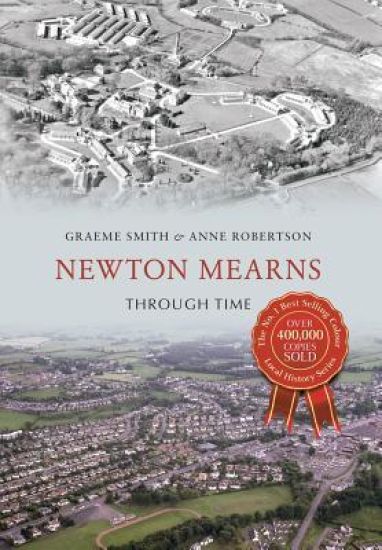
Newton Mearns Through Time

Newton Mearns Through Time

Graeme Smith; Anne Robertson

Amberley Publishing
2014
nidottu
With one foot in the countryside and the other connected to the metropolis, Newton Mearns is the southernmost suburb of Glasgow. The parish of Mearns bounds southwards over undulating landscape and moors to Ayrshire, with the slopes of Clarkston and Busby within its northern edge, marked by the River Earn. From Rouken Glen to Fenwick Moor, from castles and mansions to farmlands, fermtouns, and cotton mills, its 800-year history records a fertile area and an ever-increasing population. In the twelfth century, King David I granted lands to Walter Fitzalan, and subsequent landowners built Mearns Castle and Pollock Castle. In the 1700s, they were joined by elegant mansions and estates from Greenbank to Balgray, owned by wealthy Glasgow merchants. Railway travel in the nineteenth century brought more villas, and cars and buses from the 1920s enabled new housing and commercial developments. Today, schools and golf courses abound, the countryside is attractive and the climate is fresh.
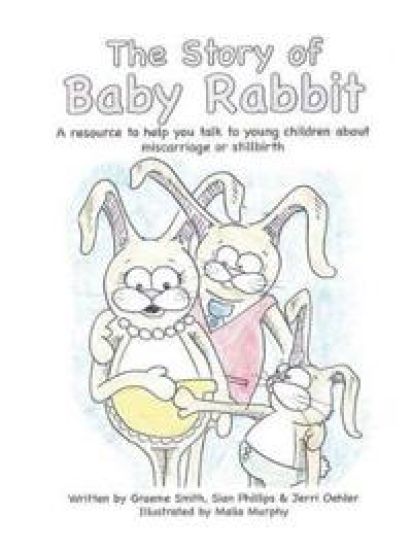
The Story of Baby Rabbit

The Story of Baby Rabbit

Graeme Smith; Sian Phillips; Jerri Oehler

Lulu Publishing Services
2014
pokkari
Graeme Smith, MD, PhD is a Professor and Head of Obstetrics & Gynecology at Queen's University. He works with many families who have suffered a miscarriage or stillbirth. He has developed a website (www.themothersprogram.ca) as a resource for women during pregnancy and after delivery. Sian Phillips, PhD is a Child Psychologist who is an adjunct professor at Queen's University who specializes in working with interpersonal trauma and attachment issues. Jerri Oehler, PhD is a pediatric nurse/psychologist at the Carteret Clinic for Adolescents and Children affiliated with Duke University. She has a long history of working with families who have had a loss during pregnancy or postpartum. Malia Murphy is a PhD student at Queen's University studying complications in pregnancy and their impact on maternal outcomes.
Was the Tomb Empty?

Was the Tomb Empty?

Graeme Smith

Monarch Books
2014
nidottu
A highly qualified British judge examines the evidence for the resurrection of Jesus Christ. Assessing secular evidence, historical sources, and the testimony of those involved Graeme Smith carefully and critically analyses the various resurrection accounts, their inconsistences and their value as evidence. This succinct but powerful document places less weight on the Gospel accounts and considers other evidence first; sources from outside the gospels, such as Josephus, Tacitus and Pliny; logical alternatives to the resurrection; and the opinions of experts in the fields of history, literary history, palaeography and law. Could this most improbable story be true? If so, what are the implications?