Kirjojen hintavertailu – 12 859 818 kirjaa ja 27 kauppaa

Kirjailija

Graham Holderness

Kirjat ja teokset yhdessä paikassa: 24 kirjaa, julkaisuja vuosilta 1992–2025, suosituimpiin kuuluu Hamlet - The First Quarto (Sos). Vertaile teosten hintoja ja tarkista saatavuus suomalaisista kirjakaupoista.

24 kirjaa

Kirjojen julkaisuvuodet: 1992–2025.

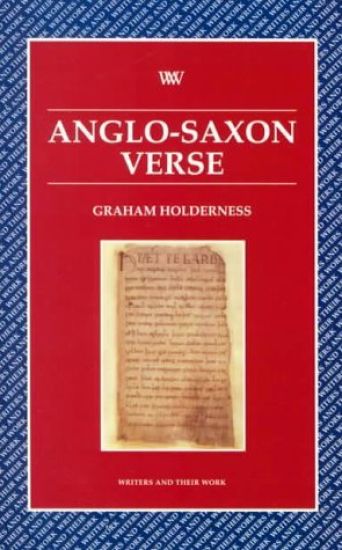
Anglo-Saxon Verse

Anglo-Saxon Verse

Graham Holderness

Liverpool University Press
2000
nidottu
Almost everything of interest in Anglo-Saxon history is recorded in the poetry of the period: the historical and political, moral and ethical, theological and ecclesiastical, military and constitutional motives and preoccupations of that past culture are there to be read at the level of individual perception and personal experience. In this study Graham Holderness brings these Old English texts and the culture they embody within the reach of the general reader by providing powerful new translations of heroic, elegiac, religious and love verses, translations which span the corpus from Beowulf to The Wife’s Lament and bridge the gap between the unfamiliar language of their original composition and the modern English in which they are subsequently discussed and lucidly explained. As a general introduction to the subject this book opens up the language, literature and life of Anglo-Saxon England to the non-specialist, ending with a line by line, sample translation and detailed annotation as an impetus to further study.

Henry V - The Quarto  (Sos)

Henry V - The Quarto (Sos)

William Shakespeare; Graham Holderness; Loughrey Bryan

Prentice-Hall
1993
nidottu
One of a series on Shakespeare's original texts, including facsimile pages, this version of "Henry V" is claimed to be, in some ways, the most authentic version of the play that we have. Included are an introduction, notes, and a theoretical, historical and contextual critique. The original text - or First Quarto - of "Henry V", published in 1600, is missing the Chorus, a dramatic device which recent criticism has used to suggest a strikingly modern view of history and politics. These and other significant changes mean that critics can no longer assume that the play presents a distanced, ironic perspective on its own political and military action. If Elizabethan audiences saw in performance something closer to the First Folio than the 1623 Folio text, then their dramatic engagement with history was of a kind very different from that of the play's 20th-century interpreters. This new edition makes available the original text of "Henry V", in all its theatrical simplicity and historical difference.
The Tragicall Historie of Hamlet Prince of Denmarke

The Tragicall Historie of Hamlet Prince of Denmarke

Graham Holderness; Bryan Loughrey

Barnes Noble Books-Imports, Div of Rowman Littlefield Pubs., Inc
1992
sidottu
This book is part of a controversial new series that raises fundamental questions about the authenticity of Shakespeare's texts as we know them today. In a radical departure from existing series, it presents the earliest known editions of Shakespeare's plays which differ substantially from the present versions and argues that these are the most authentic we have. The editors present the text in a form as close as possible to its first publication. It includes an introduction, notes and an appendix containing sample facsimile pages from the original printed texts. Throughout, the emphasis of the critical apparatus is on the theoretical and historical significance of the text and its contextual relationships with theatre, history and cultural politics. "To be, or not to be, there's the point..."(Hamlet, First Quarto). Is the most famous line in the theatre Shakespeare's original wording? According to this 1603 edition, it is not. This text has been rejected by scholars as a "Bad Quarto", a corrupt, pirated text printed without the permission of the playwright or his company. Yet the First Quarto was the first edition of this play to be published and has been produced in the modern theatre with great success. This new edition seeks to acknowledge the play's distinctive poetic and dramatic qualities, instead of comparing them unfavorably to one of the other versions. This may be Shakespeare's real Hamlet.