Kirjojen hintavertailu – 12 859 828 kirjaa ja 27 kauppaa

Kirjailija

Graham Squires

Kirjat ja teokset yhdessä paikassa: 8 kirjaa, julkaisuja vuosilta 2011–2021, suosituimpiin kuuluu Introduction to Building Procurement. Vertaile teosten hintoja ja tarkista saatavuus suomalaisista kirjakaupoista.

8 kirjaa

Kirjojen julkaisuvuodet: 2011–2021.

Construction Procurement

Construction Procurement

Brian Greenhalgh; Graham Squires; Abdul-Majeed Mahamadu

TAYLOR FRANCIS LTD
2021
sidottu
This book is an easy-to-read introduction to the principles and methods of building procurement and is aimed at first year students or non-cognate graduates starting out on a career in construction, property, quantity surveying and construction management. The book starts with a brief introduction to the construction industry, including how the industry is organised into contractors, consultants and clients. After a discussion of the historical development of procurement methods, which show a steady shift of risk and responsibility towards the supply side (contractors), the various roles and responsibilities which must be carried out in any project are discussed in detail. The aim is to show the reader that procurement routes are effectively a permutation of these responsibilities between the various parties. The book then explains the various methods by which the contractor(s) are paid, either by pre-negotiated lump sums or by some form of cost reimbursement. Variants of these two systems are also discussed. Several chapters are given to the detailed discussion of the main procurement routes together with the appropriate standard forms of contract designed for that route. More modern developments such as Private Financing and PPP are discussed and a chapter covering emerging trends in procurement completes the book. Containing discussion points, chapter summaries and case studies, this book is ideal for use in a variety of degree programs and courses across the built environment and engineering.
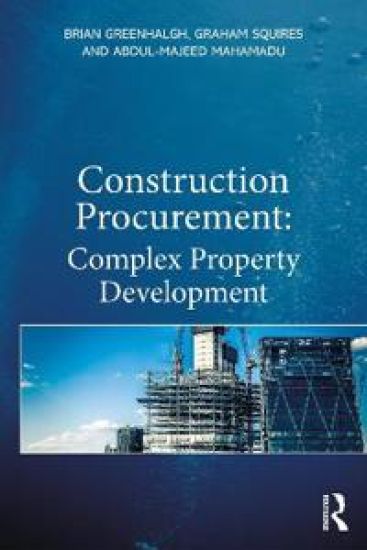
Construction Procurement

Construction Procurement

Brian Greenhalgh; Graham Squires; Abdul-Majeed Mahamadu

TAYLOR FRANCIS LTD
2021
nidottu
This book is an easy-to-read introduction to the principles and methods of building procurement and is aimed at first year students or non-cognate graduates starting out on a career in construction, property, quantity surveying and construction management. The book starts with a brief introduction to the construction industry, including how the industry is organised into contractors, consultants and clients. After a discussion of the historical development of procurement methods, which show a steady shift of risk and responsibility towards the supply side (contractors), the various roles and responsibilities which must be carried out in any project are discussed in detail. The aim is to show the reader that procurement routes are effectively a permutation of these responsibilities between the various parties. The book then explains the various methods by which the contractor(s) are paid, either by pre-negotiated lump sums or by some form of cost reimbursement. Variants of these two systems are also discussed. Several chapters are given to the detailed discussion of the main procurement routes together with the appropriate standard forms of contract designed for that route. More modern developments such as Private Financing and PPP are discussed and a chapter covering emerging trends in procurement completes the book. Containing discussion points, chapter summaries and case studies, this book is ideal for use in a variety of degree programs and courses across the built environment and engineering.
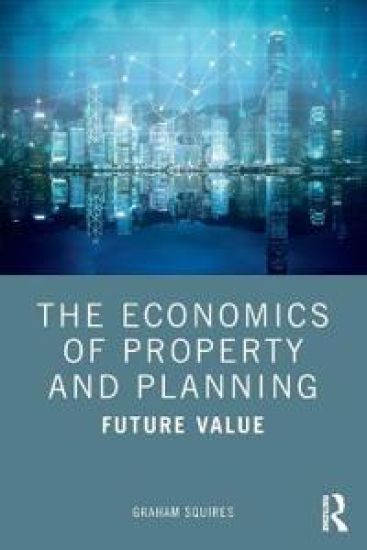
The Economics of Property and Planning
This book introduces the interlocking disciplines of property and planning to economic theory and practice. Unlike any other available textbook, The Economics of Property and Planning skilfully introduces the reader to the interplay between property and planning using an economic lens. As resources become scarce, there is a growing need for students to understand the principles of economics in property and planning, especially given the rapid social, environmental, technological, and political changes that are shaping places. The book begins with an outline of key economists and economic problems, then resources and scarcity, before examining macro- and microeconomic factors at play in property and planning. Furthermore, this book covers a variety of topics, including spatial and locational modelling, fiscal approaches to redistribution, regeneration and renewal, and transport and infrastructure financing. There is also a particular focus on contemporary issues such as climate change, environmental limits to economic growth, sustainability and resilience, and affordable housing. This book also introduces practical evaluation tools and appraisal, plus a look at property and planning with respect to macroeconomic objectives, policy, and new directions. With property and planning essential factors in economic thinking and doing, this book provides insight into what future places will look like in real terms and how they will be shaped by policy. Targeted disciplines for this book include Economics, Planning, Property, Construction, Geography, Environmental Management, Sustainability, Housing, Built Environment, Land Economy, Urban Studies, Regional Studies, and Public Policy.
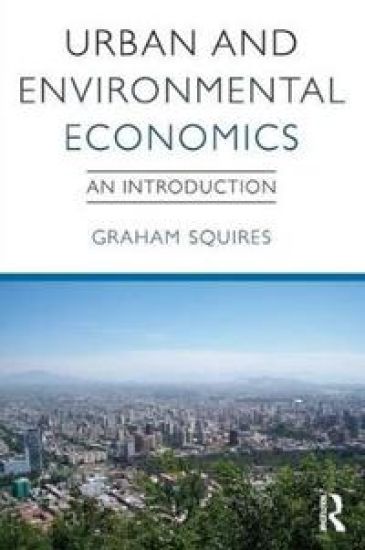
Urban and Environmental Economics

Urban and Environmental Economics

Graham Squires

Routledge
2012
nidottu
The importance of the built environment to environmental protection is well established, with strict environmental regulations now a feature of the working lives of planners, contractors, building designers, and quantity surveyors alike. Those new to, or preparing to join this industry must have an understanding of how their environmental responsibilities relate to their professional responsibilities in economic terms. Designed as an introductory textbook, Urban and Environmental Economics: An Introduction provides the background information from these disciplines to understand crucial tools and economic techniques. A broad range of theories of the natural and built environments and economics are explained, helping the reader develop a real understanding of the topics that influence this subject, such as: the history of economic thought on the built environmentthe economics of shared space in the built environmentcost-benefit analysis and discountingmacro-economic tools, measures, and policysustainable developmentresource valuation. Illustrated throughout, and with lists of further reading in every chapter, this book is ideal for students at all levels who need to get to grips with the economics of the environment within a built environment context. Particularly useful to those studying planning, land economy, environmental management, or housing development.
Urban and Environmental Economics

Urban and Environmental Economics

Graham Squires

Routledge
2012
sidottu
The importance of the built environment to environmental protection is well established, with strict environmental regulations now a feature of the working lives of planners, contractors, building designers, and quantity surveyors alike. Those new to, or preparing to join this industry must have an understanding of how their environmental responsibilities relate to their professional responsibilities in economic terms. Designed as an introductory textbook, Urban and Environmental Economics: An Introduction provides the background information from these disciplines to understand crucial tools and economic techniques. A broad range of theories of the natural and built environments and economics are explained, helping the reader develop a real understanding of the topics that influence this subject, such as: the history of economic thought on the built environmentthe economics of shared space in the built environmentcost-benefit analysis and discountingmacro-economic tools, measures, and policysustainable developmentresource valuation. Illustrated throughout, and with lists of further reading in every chapter, this book is ideal for students at all levels who need to get to grips with the economics of the environment within a built environment context. Particularly useful to those studying planning, land economy, environmental management, or housing development.
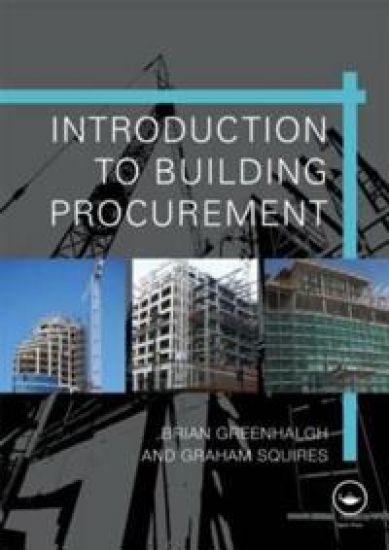
Introduction to Building Procurement

Introduction to Building Procurement

Brian Greenhalgh; Graham Squires

Routledge
2011
sidottu
The procurement stage of the building process is critical to the success of any building project, and as such must be understood by everybody entering the industry. Introduction to Building Procurement is designed to familiarize the novice with the principles and methods of building procurement, starting at the most basic level. With chapter summaries and tutorial questions provided throughout the book, the reader will get to grips with the following topics: the structure of the construction industry the nature of clientsthe historical development of building procurement methodsthe roles and responsibilities carried out in any project. Having developed the necessary background knowledge, the reader is then introduced to the more complex aspects of procurement in detail, such as:methods of paying contractors the main procurement routes in usestandard forms of contract. The concluding chapter discusses emerging procurement trends, and speculates on future developments to bring the reader right up to speed with the modern industry. With its clear layout and highly accessible approach, Introduction to Building Procuremen is the perfect introductory text for undergraduate students and professionals starting out on a career in quantity surveying, construction project management or construction commercial management.
Introduction to Building Procurement

Introduction to Building Procurement

Brian Greenhalgh; Graham Squires

Routledge
2011
nidottu
The procurement stage of the building process is critical to the success of any building project, and as such must be understood by everybody entering the industry. Introduction to Building Procurement is designed to familiarize the novice with the principles and methods of building procurement, starting at the most basic level. With chapter summaries and tutorial questions provided throughout the book, the reader will get to grips with the following topics: the structure of the construction industry the nature of clientsthe historical development of building procurement methodsthe roles and responsibilities carried out in any project. Having developed the necessary background knowledge, the reader is then introduced to the more complex aspects of procurement in detail, such as:methods of paying contractors the main procurement routes in usestandard forms of contract. The concluding chapter discusses emerging procurement trends, and speculates on future developments to bring the reader right up to speed with the modern industry. With its clear layout and highly accessible approach, Introduction to Building Procuremen is the perfect introductory text for undergraduate students and professionals starting out on a career in quantity surveying, construction project management or construction commercial management.