Kirjojen hintavertailu – 12 859 829 kirjaa ja 27 kauppaa
Kirjailija
Graham Wilson
Kirjat ja teokset yhdessä paikassa: 35 kirjaa, julkaisuja vuosilta 1995–2026, suosituimpiin kuuluu The Essentials of Smartphone Photography. Vertaile teosten hintoja ja tarkista saatavuus suomalaisista kirjakaupoista.
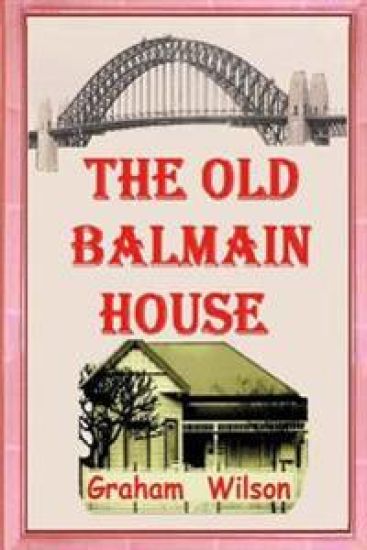
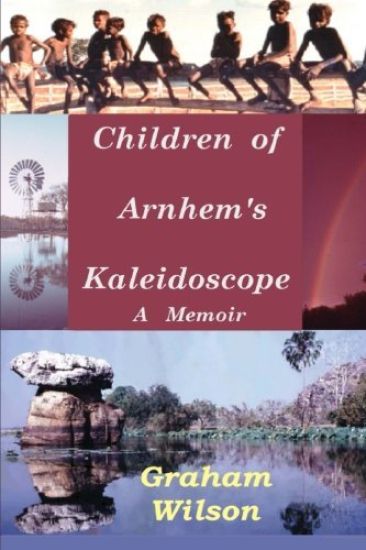
Sophie vanished - where did she go? For 100 years nobody knows. A photo of 8 year old Sophie and an antique perfume bottle are found in the fireplace of an old house. The story of a Balmain family over 170 years. Finally they uncover what happened. Set around beautiful Sydney Harbour this is a story of this place and its people, an imagined history from early Australia to the present dayWho was Sophie and what happened to her? On buying an old weatherboard house in Balmain, Sydney, we discover her photo, dated 1900-1908, long hidden, along with a small perfume bottle in an old fireplace. Then we discover that Sophie disappeared with a childhood friend in 1908 and was never seem again, leaving a trail of sadness through generations of her family. This book tracks the journey of the discovery of Sophie and her family, from their first arrival in Sydney, over five generations of the family, until the mystery is finally laid to rest. It is a story of loss and grief, mixed with joy, which passes through the successive generations of a family. The way the family deals with unresolved tragedy and finally the way their love transcends time is the story from which the real Sophie emerges. Graham Wilson, the author, lived in the house in Balmain around which this story is based for seven years, before moving to Millers Point. This is his first novel. Graham has previously written a family memoir, "Children of Arnhem's Kaleidoscope" which describes his childhood, growing up in a aboriginal community in Western Arnhem Land. This is also available from this site.
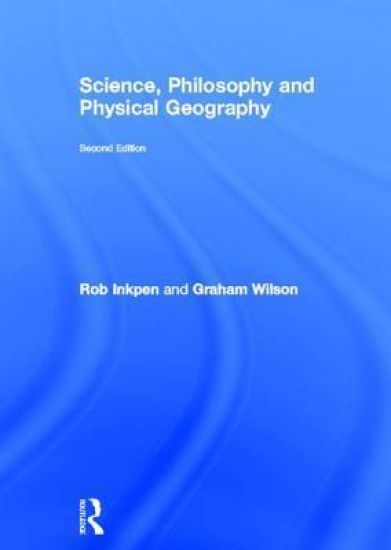
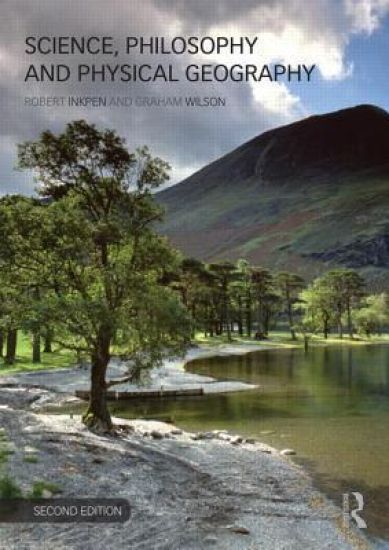
This accessible and engaging text explores the relationship between philosophy, science and physical geography. It addresses an imbalance that exists in opinion, teaching and to a lesser extent research, between a philosophically enriched human geography and a perceived philosophically empty physical geography. The text challenges the myth that there is a single self-evident scientific method that can, and is, applied in a straightforward manner by physical geographers. It demonstrates the variety of alternative philosophical perspectives and emphasizes the difference that the real world geographical context and the geographer make to the study of environmental phenomenon. This includes a consideration of the dynamic relationship between human and physical geography. Finally, the text demonstrates the relevance of philosophy for both an understanding of published material and for the design and implementation of studies in physical geography. This edition has been fully updated with two new chapters on field studies and modelling, as well as greater discussion of ethical issues and forms of explanation. The book explores key themes such as reconstructing environmental change, species interactions and fluvial geomorphology, and is complimented throughout with case studies to illustrate concepts.
This accessible and engaging text explores the relationship between philosophy, science and physical geography. It addresses an imbalance that exists in opinion, teaching and to a lesser extent research, between a philosophically enriched human geography and a perceived philosophically empty physical geography. The text challenges the myth that there is a single self-evident scientific method that can, and is, applied in a straightforward manner by physical geographers. It demonstrates the variety of alternative philosophical perspectives and emphasizes the difference that the real world geographical context and the geographer make to the study of environmental phenomenon. This includes a consideration of the dynamic relationship between human and physical geography. Finally, the text demonstrates the relevance of philosophy for both an understanding of published material and for the design and implementation of studies in physical geography. This edition has been fully updated with two new chapters on field studies and modelling, as well as greater discussion of ethical issues and forms of explanation. The book explores key themes such as reconstructing environmental change, species interactions and fluvial geomorphology, and is complimented throughout with case studies to illustrate concepts.
Six sigma is an effective and important management approach particularly used by multinational companies with manufacturing bases in the Asian and Pacific rim. One of the key issues facing businesses today is how to eliminate the high cost of developing new products. This is an area where the potential of six sigma has not been widely appreciated before. Six Sigma and the Product Development Cycle brings the six sigma approach up-to-date and explains it in a way that appeals to today’s management teams. It makes the concept of six sigma easy to understand and accessible with the statistics necessary for its implementation clearly explained. Six Sigma and the Product Development Cycle covers the integration of quality function deployment with Taguchi’s methods of experimental design and statistical process control. These tools gather detailed insights into customer needs, optimize the products or services to meet these needs at the lowest practical cost, and ensure that this performance is maintained. It is a book about both six sigma and product and service development. Through this approach an organization can gain greater flexibility, shorter timescales, and the ability to react more quickly to changes or new demands in the marketplace. The approach is illustrated with practical examples from the nuclear industry, motor manufacturing, inland mail, ‘emergency response’ organizations and financial services.
In this new work, two leading political scientists reassess the shifting fortunes of the Whitehall model of governance - and find it wanting. As we prepare to enter the twenty-first century, it has become clear that the model now has much less currency abroad as well as in the UK. The neo-liberal assaults of Thatcherism and the political drift of the Major years has meant that whereas, previously, 'Whitehall' symbolized a synergy between the political leadership and the permanent bureaucracy, it now evokes images of executive disarray and the subservience of career civil servants to the (often faddish) will of their political masters.