Kirjailija
Greg Gilbert
Kirjat ja teokset yhdessä paikassa: 78 kirjaa, julkaisuja vuosilta 2008–2026, suosituimpiin kuuluu James. Vertaile teosten hintoja ja tarkista saatavuus suomalaisista kirjakaupoista.
Nimi esiintyy myös muodoissa: ??? Greg Gilbert
78 kirjaa
Kirjojen julkaisuvuodet: 2008–2026.
你認為耶穌是誰?對於這個問題,你可能沒有多想過。這是完全可以理解的,畢竟我們談論的這個人出生在一世紀一個不起眼的猶太木匠家庭。祂從未擔任過一官半職,從未掌管過一國之地,也從未帶領過任何軍隊,甚至從未覲見過羅馬皇帝。反而在三年半的時間裏,這位耶穌只是教導人們倫理道德與靈性生命的事,給猶太人 誦讀並講解他們的聖經。如果對祂生平的親眼見證信得過,可以 看見祂也確實做了一些非同尋常的事情,但是耶穌也與當時的權力集團針鋒相對。公開傳道後不久,祂就被羅馬帝國一個握有實權的地方執行官釘在了十字架上。 另外,這一切都發生在大約兩千年以前。那我們為何仍舊談論祂呢?為何這位耶穌如此不容忽視?
The Bible stands at the heart of the Christian faith. But this leads to an inescapable question: why should we trust the Bible? Written to help non-Christians, longtime Christians, and everyone in between better understand why God's Word is reliable, this short book explores the historical and theological arguments that have helped lead millions of believers through the centuries to trust the Bible, from Genesis to Revelation. Written by pastor Greg Gilbert, author of the popular books What Is the Gospel? and Who Is Jesus?, this volume will help Christians articulate why they trust the Bible when it comes to who God is, who we are, and how we're supposed to live.
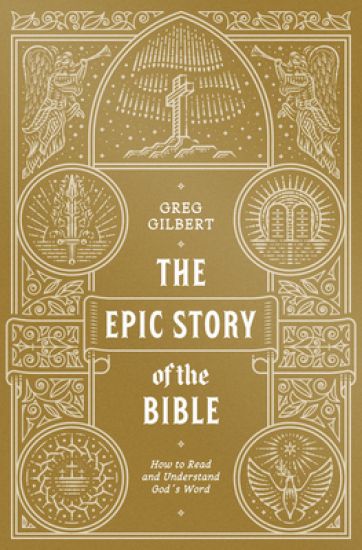
A User-Friendly Introduction to Interpreting and Understanding God's Word Many Christians view the Bible as a book that they know they should read, but it can be hard to know where to start. If they spend time regularly reading it, it can often feel like a chore to be checked off for the day. What many miss is that the Bible is a sweeping story full of narrative, poetry, and letters—something to be marveled at and enjoyed. In The Epic Story of the Bible, Greg Gilbert aims to teach Christians—or those interested in Christianity—what the Bible is and how to study it. Explaining the various genres and major themes woven throughout Scripture, Gilbert helps readers appreciate the word of God with less confusion and greater confidence. Adapted from the ESV Story of Redemption Bible. Accessible: Written in an approachable and easy-to-read format Ideal for New Christians or Interested Non-Christians: A good introduction to understanding the Bible for those wanting to take the next step in learning more about their faith Gospel-Oriented: Points readers to the gospel for the purpose of deeper understanding and worship Examines Major Scriptural Themes: Gilbert shows how themes such as God’s presence, covenant, kingship, and sacrifice are woven throughout Scripture
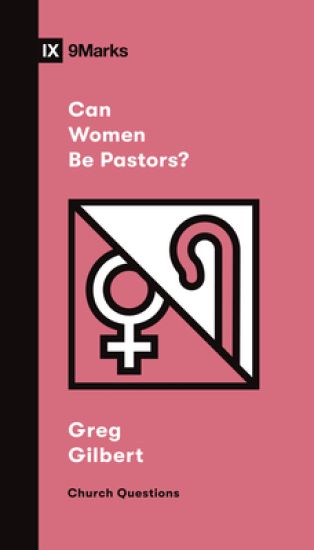
Concise, Scripture-Centered Guide Answers Popular Questions about Gender and Church Leadership Many new believers have questions about what it means to live as a Christian in the context of a local church, and pastors are looking for resources to pass along to their congregations to help them think biblically about the Christian life. Church Questions is a series by 9Marks that seeks to provide Christians with sound and accessible biblical teaching by answering common questions about church life. Each booklet offers biblical answers and practical applications with the goal of nurturing healthy church practice and commitment. In this Church Questions booklet, Greg Gilbert answers the question Can women be pastors? Gilbert explains why God reserved the office of pastor and elder exclusively for men by examining the structures of authority God established from the very beginning. Focusing on texts in Genesis 1–3 and 1 Timothy 2, Gilbert makes a case for why God’s original design for church leadership is not arbitrary, but part of his good and beautiful plan. A Great Resource for Congregations and New Christians: Helps readers think more biblically about the Christian life and faithfulness in a local church Accessible and Practical: Small, shareable booklet includes helpful applications for individuals and churchesPart of the Church Questions Series Created in Partnership with 9Marks
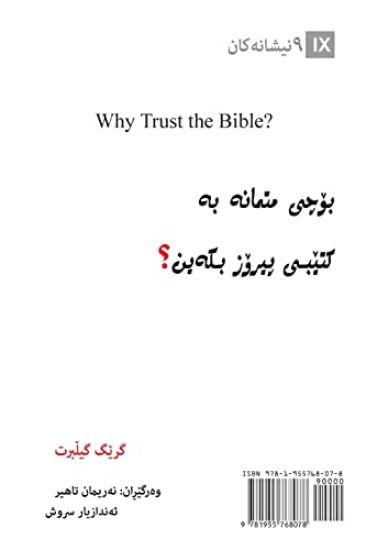
Why Trust the Bible? / ???? ?????? ?? ????? ????? ?????? (Kurdish Sorani)
Greg Gilbert
9marks
2021
pokkari
The Bible stands at the heart of the Christian faith. But this leads to an inescapable question: why should we trust the Bible? Written to help non-Christians, longtime Christians, and everyone in between better understand why God's Word is reliable, this short book explores the historical and theological arguments that have helped lead millions of believers through the centuries to trust the Bible, from Genesis to Revelation. Written by pastor Greg Gilbert, author of the popular books What Is the Gospel? and Who Is Jesus?, this volume will help Christians articulate why they trust the Bible when it comes to who God is, who we are, and how we're supposed to live.
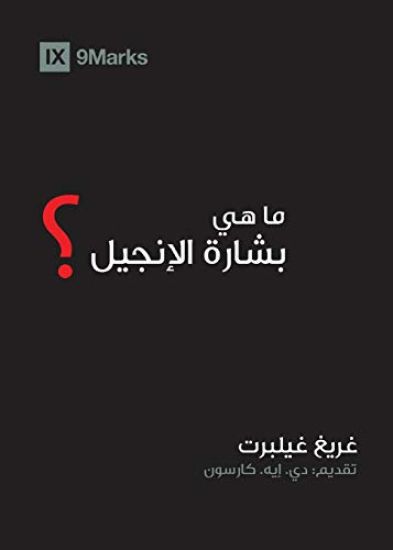
What is the gospel? It seems like a simple question, yet it has been known to incite some heated responses, even in the church. How are we to formulate a clear, biblical understanding of the gospel? Tradition, reason, and experience all leave us ultimately disappointed. If we want answers, we must turn to the Word of God. Greg Gilbert does so in What Is the Gospel? Beginning with Paul's systematic presentation of the gospel in Romans and moving through the sermons in Acts, Gilbert argues that the central structure of the gospel consists of four main subjects: God, man, Christ, and a response. The book carefully examines each and then explores the effects the gospel can have in individuals, churches, and the world. Both Christian and non-Christian readers will gain a clearer understanding of the gospel in this valuable resource.

The Bible stands at the heart of the Christian faith. But this leads to an inescapable question: why should we trust the Bible? Written to help non-Christians, longtime Christians, and everyone in between better understand why God's Word is reliable, this short book explores the historical and theological arguments that have helped lead millions of believers through the centuries to trust the Bible, from Genesis to Revelation. Written by pastor Greg Gilbert, author of the popular books What Is the Gospel? and Who Is Jesus?, this volume will help Christians articulate why they trust the Bible when it comes to who God is, who we are, and how we're supposed to live.
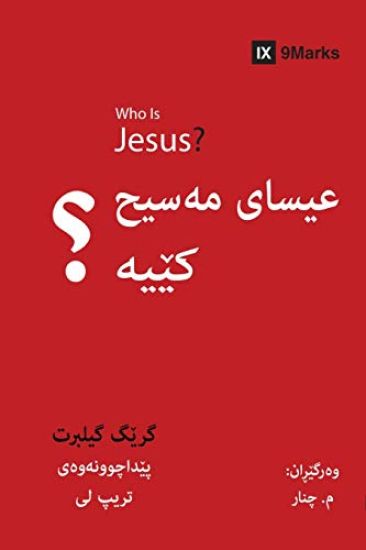
A famed historian once noted that, regardless of what you think of him personally, Jesus Christ stands as the central figure in the history of Western civilization. A man violently rejected by some and passionately worshipped by others, Jesus remains as polarizing as ever. But most people still know very little about who he really was, why he was really here, or what he really claimed. Intended as a succinct introduction to Jesus's life, words, and enduring significance, Who Is Jesus? offers non-Christians and new Christians alike a compelling portrait of Jesus Christ. Ultimately, this book encourages readers to carefully consider the history-shaping life and extraordinary teachings of the greatest man who ever lived.
A Study Guide to Who Is Jesus? Both Christians and non-Christians must reckon with the answer to this simple question. This study guide, a companion to Greg Gilbert’s book Who Is Jesus?, invites readers to reflect on Jesus’s life and sacrifice, and what they mean for their lives.
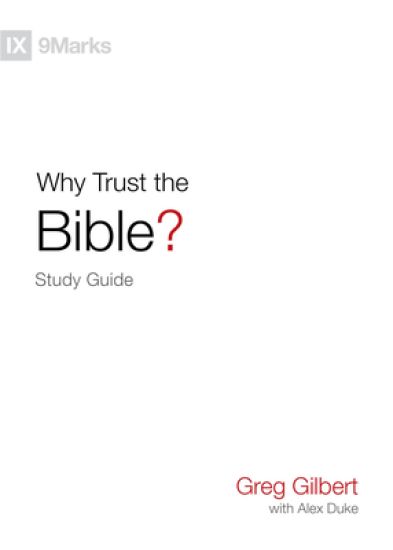
A Study Guide to Why Trust the Bible? Many people wonder why anyone would trust a book that was written over two thousand years ago. This study guide, paired with Greg Gilbert’s book Why Trust the Bible?, will help both Christian and non-Christian readers answer questions about the reliability of the Bible.
What is the gospel? It seems like a simple question, yet it has been known to incite some heated responses, even in the church. How are we to formulate a clear, biblical understanding of the gospel? Tradition, reason, and experience all leave us ultimately disappointed. If we want answers, we must turn to the Word of God. Greg Gilbert does so in What Is the Gospel? Beginning with Paul's systematic presentation of the gospel in Romans and moving through the sermons in Acts, Gilbert argues that the central structure of the gospel consists of four main subjects: God, man, Christ, and a response. The book carefully examines each and then explores the effects the gospel can have in individuals, churches, and the world. Both Christian and non-Christian readers will gain a clearer understanding of the gospel in this valuable resource.

The Bible stands at the heart of the Christian faith. But this leads to an inescapable question: why should we trust the Bible? Written to help non-Christians, longtime Christians, and everyone in between better understand why God's Word is reliable, this short book explores the historical and theological arguments that have helped lead millions of believers through the centuries to trust the Bible, from Genesis to Revelation. Written by pastor Greg Gilbert, author of the popular books What Is the Gospel? and Who Is Jesus?, this volume will help Christians articulate why they trust the Bible when it comes to who God is, who we are, and how we're supposed to live.
A famed historian once noted that, regardless of what you think of him personally, Jesus Christ stands as the central figure in the history of Western civilization. A man violently rejected by some and passionately worshipped by others, Jesus remains as polarizing as ever. But most people still know very little about who he really was, why he was really here, or what he really claimed. Intended as a succinct introduction to Jesus's life, words, and enduring significance, Who Is Jesus? offers non-Christians and new Christians alike a compelling portrait of Jesus Christ. Ultimately, this book encourages readers to carefully consider the history-shaping life and extraordinary teachings of the greatest man who ever lived.
What is the gospel? It seems like a simple question, yet it has been known to incite some heated responses, even in the church. How are we to formulate a clear, biblical understanding of the gospel? Tradition, reason, and experience all leave us ultimately disappointed. If we want answers, we must turn to the Word of God.
A famed historian once noted that, regardless of what you think of him personally, Jesus Christ stands as the central figure in the history of Western civilization. A man violently rejected by some and passionately worshipped by others, Jesus remains as polarizing as ever. But most people still know very little about who he really was, why he was really here, or what he really claimed. Intended as a succinct introduction to Jesus's life, words, and enduring significance, Who Is Jesus? offers non-Christians and new Christians alike a compelling portrait of Jesus Christ. Ultimately, this book encourages readers to carefully consider the history-shaping life and extraordinary teachings of the greatest man who ever lived.
What is the gospel? It seems like a simple question, yet it has been known to incite some heated responses, even in the church. How are we to formulate a clear, biblical understanding of the gospel? Tradition, reason, and experience all leave us ultimately disappointed. If we want answers, we must turn to the Word of God. Greg Gilbert does so in What Is the Gospel? Beginning with Paul's systematic presentation of the gospel in Romans and moving through the sermons in Acts, Gilbert argues that the central structure of the gospel consists of four main subjects: God, man, Christ, and a response. The book carefully examines each and then explores the effects the gospel can have in individuals, churches, and the world. Both Christian and non-Christian readers will gain a clearer understanding of the gospel in this valuable resource.