
Kirjojen hintavertailu – 12 903 725 kirjaa ja 27 kauppaa

Kirjailija

Greg O'Brien

Kirjat ja teokset yhdessä paikassa: 2 kirjaa, julkaisuja vuosilta 2005–2006, suosituimpiin kuuluu Choctaws in a Revolutionary Age, 1750-1830. Vertaile teosten hintoja ja tarkista saatavuus suomalaisista kirjakaupoista.

2 kirjaa

Kirjojen julkaisuvuodet: 2005–2006.

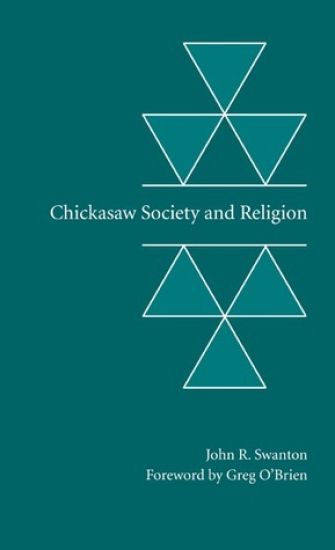
Chickasaw Society and Religion

Chickasaw Society and Religion

John R. Swanton; Greg O'Brien

University of Nebraska Press
2006
pokkari
Chickasaw Society and Religion brings back into print one of the most important ethnographic sources on Chickasaw Indian society and culture ever produced, making it available to a new generation of students and scholars. The Smithsonian Institution ethnologist John Swanton published his work on the Chickasaws in 1928 as part of the Forty-fourth Annual Report of the Bureau of American Ethnology, and, like Swanton's many other works on Southeastern Indians, it has remained one of the primary sources for scholars and students of Chickasaw and Southeastern Indian culture. Swanton combed printed and archival documents in constructing a picture of eighteenth- and early nineteenth-century Chickasaw life. Swanton's keen eye for detail and his impressive knowledge of Southeastern Indian cultures make this study the starting point for all Chickasaw scholarship. Swanton broaches topics as diverse as Chickasaw marriage patterns, naming, government, education, gender roles, subsistence, religion, burial customs, and medicine. He also displays an intimate understanding of Chickasaw language throughout the essay that will aid future researchers.

Choctaws in a Revolutionary Age, 1750-1830

Choctaws in a Revolutionary Age, 1750-1830

Greg O'Brien; Greg O'Brien

University of Nebraska Press
2005
pokkari
This evocative story of the Choctaws is told through the lives of two remarkable leaders, Taboca and Franchimastabé, during a period of revolutionary change, 1750-1830. Both men achieved recognition as warriors in the eighteenth century but then followed very different paths of leadership. Taboca was a traditional Choctaw leader, a "prophet-chief" whose authority was deeply rooted in the spiritual realm. The foundation of Franchimastabé's power was more externally driven, resting on trade with Europeans and American colonists and the acquisition of manufactured goods. Franchimastabé responded to shifting circumstances outside the Choctaw nation by pushing the source of authority in novel directions, straddling spiritual and economic power in a way unfathomable to Taboca. The careers of these leaders signal a watershed moment in Choctaw history – the receding of a traditional mystically oriented world and the dawning of a new market-oriented one. At once engaging and informative, Choctaws in a Revolutionary Age, 1750–1830 highlights the efforts of a nation to preserve its integrity and reform its strength in an increasingly complicated, multicultural world.