Kirjojen hintavertailu – 12 903 725 kirjaa ja 27 kauppaa

Kirjailija

Greg Sarris

Kirjat ja teokset yhdessä paikassa: 12 kirjaa, julkaisuja vuosilta 1993–2026, suosituimpiin kuuluu The Last Human Bear. Vertaile teosten hintoja ja tarkista saatavuus suomalaisista kirjakaupoista.

12 kirjaa

Kirjojen julkaisuvuodet: 1993–2026.

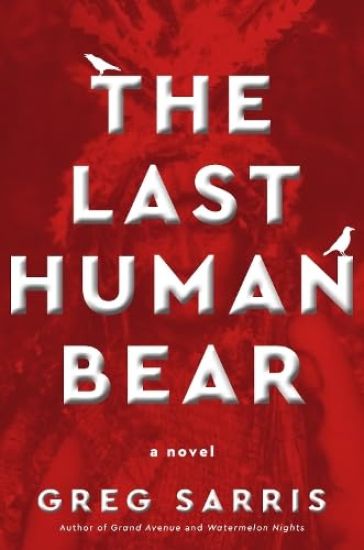
The Last Human Bear

The Last Human Bear

Greg Sarris

Heyday Books
2026
sidottu
"Lush and gripping." —Rebecca Solnit, author of Men Explain Things to Me An epic story of curses, love, hard-won independence, and healing—and the first novel in 28 years by a widely acclaimed Native writer. Mary Hatcher lives with a curse—or is it a power that could make her life whole? A Native Pomo woman who comes of age in 1930s California, Mary keeps trying to make sense of her enigmatic family. Strange rumors spread about her. Her stepmother may have taught her how to become a Human Bear, a shapeshifter who can menace and poison enemies. Two men may love her—or love who they think she is. A mystery even to herself, Mary learns to pass between Native and white societies, tenaciously carving her own path as an independent woman. But as she explores love and desire, family inherited and chosen, and the secrets of the natural world, one question gnaws at her: Is she fated to do harm? Wry and richly lyrical, The Last Human Bear follows Mary from the Great Depression to the twenty-first century, when she commits a haunting final act. Inspired by the Native women elders who shaped Greg Sarris in his youth, it is the triumphant and revelatory return of an eminent novelist.
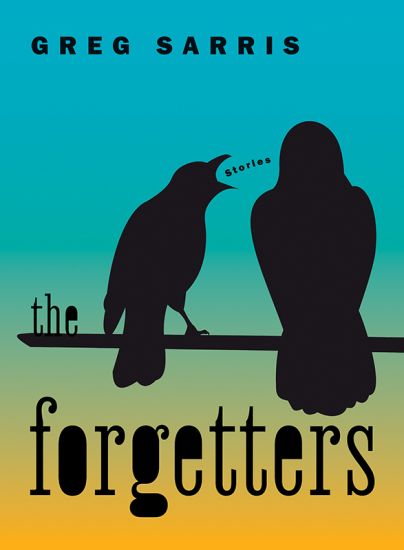
The Forgetters

The Forgetters

Greg Sarris

Heyday Books
2024
pokkari
A tender, astonishing, and richly beautiful story cycle about remembering our shared histories and repairing the world." Each tale is a testament to never forgetting that the mountains, the sea, the rivers, animals and humans are all one. Osprey and abalone, wind and child, hummingbird and human—all unforgettable." —Susan Straight, author of MeccaPerched atop Gravity Hill, two crow sisters—Question Woman and Answer Woman—recall stories from dawn to dusk. Question Woman cannot remember a single story except by asking to hear it again, and Answer Woman can tell all the stories but cannot think of them unless she is asked. Together they recount the journeys of the Forgetters, so that we may all remember. Unforgettable characters pass through these pages: a boy who opens the clouds in the sky, a young woman who befriends three enigmatic people who might also be animals, two village leaders who hold a storytelling contest. All are in search of a crucial lesson from the past, one that will help them repair the rifts in their own lives. Told in the classic style of Southern Pomo and Coast Miwok creation stories, this book vaults from the sacred time before this time to the recent present and even the near future. Heralded as a "a fine storyteller" by Joy Harjo, Greg Sarris offers us these tales in a new genre of his own making. The Forgetters is an astonishment—comforting and startling, inspiring reveries and deepening our love of the world we share.
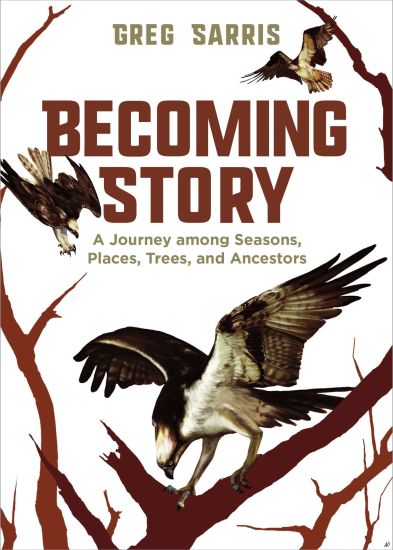
Becoming Story

Becoming Story

Greg Sarris

Heyday Books
2024
pokkari
Now in paperback: a gently powerful memoir about deepening your relationship with your homeland." A fascinating and evocative memoir in essays."—Kirkus Reviews, starred reviewTribal chairman and celebrated storyteller Greg Sarris—whose novels are esteemed alongside those of Louise Erdrich and Stephen Graham Jones—invites us into intimate and contemplative scenes from his own life in Becoming Story. With this memoir-in-essays he asks: What does it mean to be truly connected to the place you call home—to walk where innumerable generations of your ancestors have walked? And what does it mean when you dedicate your life to making that connection even deeper? Moving between his childhood and the present day, Sarris creates a kaleidoscopic narrative about the forces that shaped his early years and his eventual work as a tribal leader. He considers the fathomless past, historical traumas, and possible futures of his homeland. His acclaimed storytelling skills are in top form here, and he charts his journey in prose that is humorous, searching, and profound. Described as "jewellike" by the San Francisco Chronicle, Becoming Story is also a gently powerful guide in the art of belonging to the place where you live.
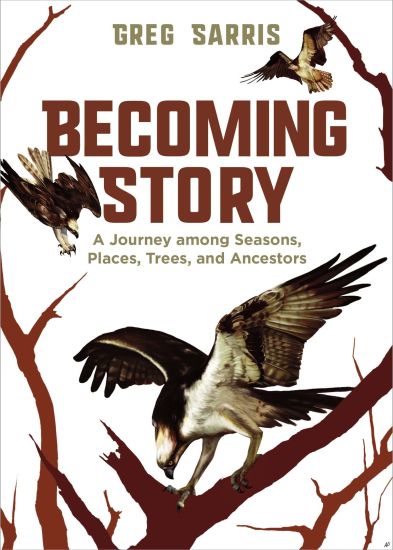
Becoming Story

Becoming Story

Greg Sarris

Heyday Books
2022
sidottu
A gently powerful memoir about deepening your relationship with your homeland. For the first time in more than twenty-five years, Greg Sarris—whose novels are esteemed alongside those of Louise Erdrich and Stephen Graham Jones—presents a book about his own life. In Becoming Story he asks: What does it mean to be truly connected to the place you call home—to walk where innumerable generations of your ancestors have walked? And what does it mean when you dedicate your life to making that connection even deeper? Moving between his childhood and the present day, Sarris creates a kaleidoscopic narrative about the forces that shaped his early years and his eventual work as a tribal leader. He considers the deep past, historical traumas, and possible futures of his homeland. His acclaimed storytelling skills are in top form here, and he charts his journey in prose that is humorous, searching, and profound. Described as "jewellike" by the San Francisco Chronicle, Becoming Story is also a gently powerful guide in the art of belonging to the place where you live.
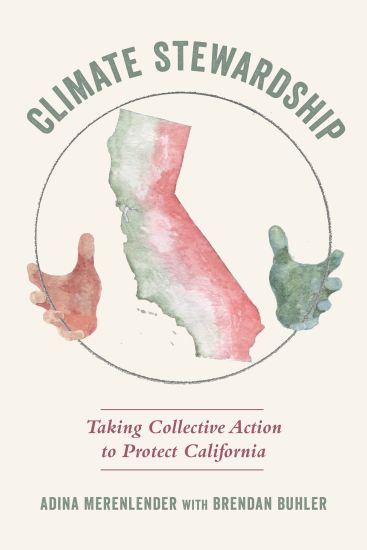
Climate Stewardship

Climate Stewardship

Adina Merenlender; Brendan Buhler; Greg Sarris

University of California Press
2021
pokkari
As climate disruption intensifies the world over, Californians are finding solutions across a diversity of communities and landscapes. Though climate change is a global existential threat, we cannot wait for nation-states to solve the problem when there are actions we can take now to protect our own communities. In Climate Stewardship: Taking Collective Action to Protect California, readers are invited on a journey to discover that all life is interconnected and shaped by climate and to learn how communities can help tackle climate change. Climate Stewardship shares stories from everyday people and shows how their actions enhance the resilience of communities and ecosystems across ten distinct bioregions. Climate science that justifies these actions is woven throughout, making it easy to learn about Earth's complex systems. The authors interpret and communicate these stories in a way that is enjoyable, inspiring, and even amusing. California is uniquely positioned to develop and implement novel solutions to widespread climate challenges, owing to the state's remarkable biogeographic diversity and robust public science programs. Produced in collaboration with the UC California Naturalist Program, Climate Stewardship focuses on regenerative approaches to energy, agriculture, and land and water use across forested, agricultural, and urban landscapes. The authors' hopeful and encouraging tone aims to help readers develop a sense that they, too, can act now to make meaningful change in their communities.
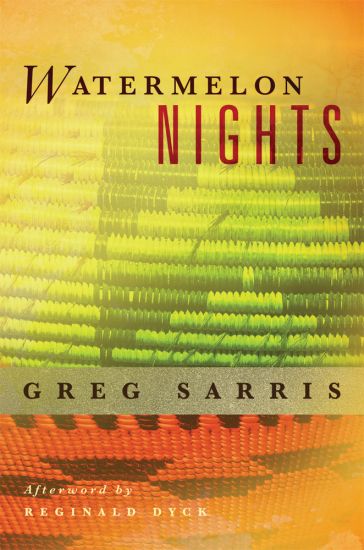
Watermelon Nights

Watermelon Nights

Greg Sarris; Reginald Dyck

University of Oklahoma Press
2021
nidottu
In Watermelon Nights, Greg Sarris tells a powerful tale about the love and forgiveness that keep a modern Native American family together in Santa Rosa, California. Told from the points of view of a twenty-year-old Pomo man named Johnny Severe, his grandmother Elba, and his mother, Iris, this intergenerational saga uncovers the secrets-and traumatic events-that inform each of these characters’ extraordinary powers of perception. First published in 1998, Watermelon Nights remains one of the few works of fiction to illuminate the experiences of urban Native Americans and is the only one to depict the historical conditions that shape a tribe’s rural-to-urban migration. As the novel opens, Johnny is trying to organize the remaining members of his displaced California tribe. At the same time, he is struggling with his own sexuality and thinking about leaving his grandmother’s home for the big city. As the novel shifts perspective, tracing the controversial history of the Pomo people, we learn how the tragic events of Elba’s childhood, as well as Iris’s attempts to separate herself from her cultural roots, make Johnny’s dilemma all the more difficult. In the end, what binds both family and tribe together is a respect-albeit at times reluctant-for the traditions that have withstood so many challenges. This new edition of the novel features a revised preface by the author and an afterword by Reginald Dyck, who identifies broader contexts important to our understanding of the novel, including tribal sovereignty, federal Indian policy, and the effects of historical trauma. Gritty yet rich in emotion, Watermelon Nights stands beside the works of Louise Erdrich, Stephen Graham Jones, and Tommy Orange.
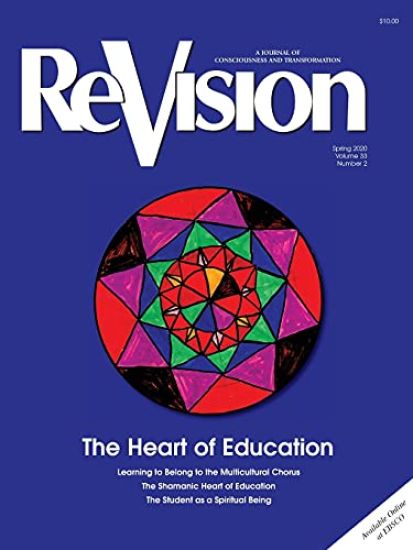
The Heart of Education

The Heart of Education

Greg Sarris; Stanley Krippner; Jeam Millay

Revision Publishing
2021
nidottu
ReVision is dedicated to the exploration of issues that assert and value the transmotional and interconnected sovereignty of people before any institutions. Sovereignty and self-determination as foundations of peace require our human imagination as part of a sustainable world of stories and cultural practices in a particular place or ecology.
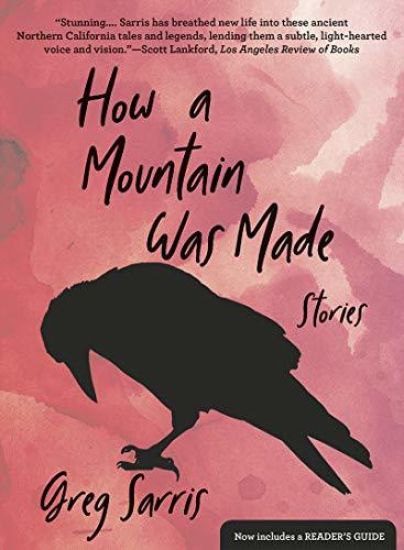
How a Mountain Was Made

How a Mountain Was Made

Greg Sarris

Heyday Books
2019
pokkari
Now available in paperback! In the tradition of Calvino's Italian Folktales, Greg Sarris, author of the award-winning novel Grand Avenue, turns his attention to his ancestral homeland of Sonoma Mountain in Northern California. In sixteen interconnected original stories, the twin crows Question Woman and Answer Woman take us through a world unlike yet oddly reminiscent of our own: one which blooms bright with poppies, lupines, and clover; one in which Water Bug kidnaps an entire creek; in which songs have the power to enchant; in which Rain is a beautiful woman who keeps people's memories in stones. Inspired by traditional Coast Miwok and Southern Pomo creation tales, these stories are timeless in their wisdom and beauty, and because of this timelessness their messages are vital and immediate. The figures in these stories ponder the meaning of leadership, of their place within the landscape and their community. In these stories we find a model for how we can all come home again. At once timeless and contemporary, How a Mountain Was Made is equally at home in modern letters as the ancient story cycle. Sarris infuses his stories with a prose stylist's creativity and inventiveness, moving American Indian literature in an emergent direction.
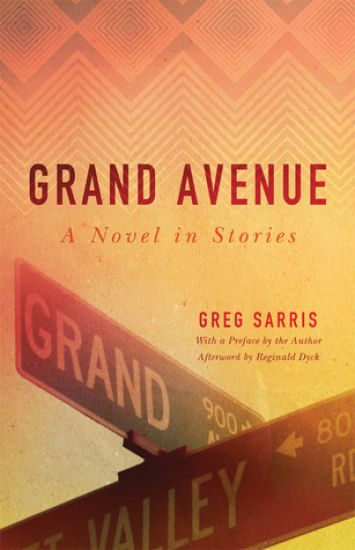
Grand Avenue

Grand Avenue

Greg Sarris; Reginald Dyck

University of Oklahoma Press
2015
nidottu
Grand Avenue runs through the center of the Northern California town of Santa Rosa. One stretch of it is home not only to Pomo Indians making a life outside the reservation but also to Mexicans, blacks, and some Portuguese, all trying to find their way among the many obstacles in their turbulent world. Bound together by a lone ancestor, the lives of the American Indians form the core of these stories - tales of healing cures, poison, family rituals, and a humor that allows the inhabitants of Grand Avenue to see their own foibles with a saving grace. A teenage girl falls in love with a crippled horse marked for slaughter. An aging healer summons her strength for one final song. A father seeks a bond with his illegitimate son. A mother searches for the power to care for her cancer-stricken daughter's spirit. Here is a tapestry of lives rendered with the color, wisdom, and a quest for meaning that are characteristic of the traditional storytelling in which they are rooted, a tradition Sarris grew up hearing and learning. Vibrant with the emotions and realities of a changing world, these narratives - the basis of an HBO miniseries - are all equally stunning and from the heart.
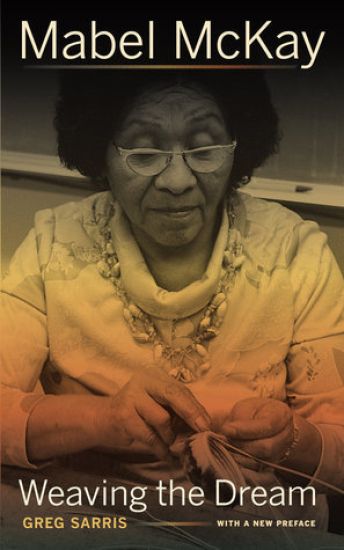
Mabel McKay

Mabel McKay

Greg Sarris

University of California Press
2013
pokkari
A world-renowned Pomo basket weaver and medicine woman, Mabel McKay expressed her genius through her celebrated baskets, her Dreams, her cures, and the stories with which she kept her culture alive. She spent her life teaching others how the spirit speaks through the Dream, how the spirit heals, and how the spirit demands to be heard. Greg Sarris weaves together stories from Mabel McKay's life with an account of how he tried, and she resisted, telling her story straight - the white people's way. Sarris, an Indian of mixed-blood heritage, finds his own story in his search for Mabel McKay's. Beautifully narrated, "Weaving the Dream" initiates the reader into Pomo culture and demonstrates how a woman who worked most of her life in a cannery could become a great healer and an artist whose baskets were collected by the Smithsonian. Hearing Mabel McKay's life story, we see that distinctions between material and spiritual and between mundane and magical disappear. What remains is a timeless way of healing, of making art, and of being in the world. Sarris' new preface, written expressly for this edition, meditates on Mabel McKay's enduring legacy and the continued importance of her teachings.
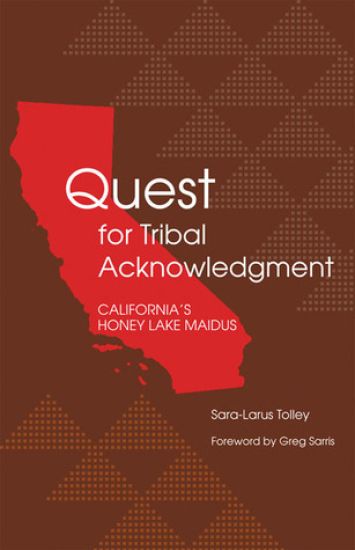
Quest for Tribal Acknowledgment

Quest for Tribal Acknowledgment

Sara-Larus Tolley; Greg Sarris

University of Oklahoma Press
2006
sidottu
A small group of Indians known as the Honey Lake Maidus are very much alive today in the valley of the Susan River of northeast California. As a tribe, however, they do not exist. This is because they have not been acknowledged, a process by which the federal government officially recognizes Indian tribes. By contrast, other California Indian tribes have won federal recognition and come to represent a driving force behind most Indian legislation, including laws to regulate Indian casinos. Their political power and economic prosperity, however, has incurred resentment. Caught in this web of contending political forces are hundreds of small Indian groups, peoples like the Honey Lake Maidus who, because they lack federal recognition, cannot protect their cultures and secure their futures. They are also unable to undertake economic endeavors that would provide care for their children and elders. In Quest for Tribal Acknowledgment, Sara-Larus Tolley, an anthropologist who has worked for the Honey Lake Maidus for several years, recounts the group's efforts to obtain recognition. In 1999, the tribe gained funding to work full-time on its petition, which it submitted to the government in 2001. While the Honey Lake Maidus wait for their application to gain ""active"" status, they continually update and refine its contents. And like hundreds of other unrecognized Indian groups seeking acknowledgment, they hope for the future.
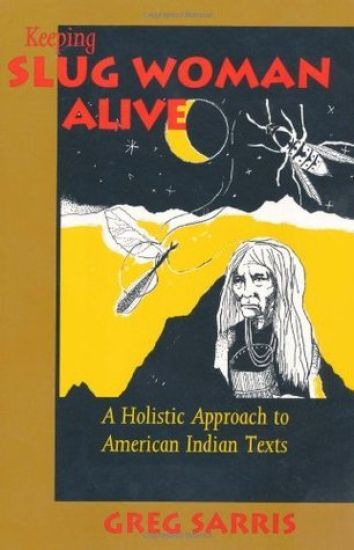
Keeping Slug Woman Alive

Keeping Slug Woman Alive

Greg Sarris

University of California Press
1993
pokkari
This remarkable collection of eight essays offers a rare perspective on the issue of cross-cultural communication. Greg Sarris is concerned with American Indian texts, both oral and written, as well as with other American Indian cultural phenomena such as basketry and religion. His essays cover a range of topics that include orality, art, literary criticism, and pedagogy, and demonstrate that people can see more than just 'what things seem to be'. Throughout, he asks: How can we read across cultures so as to encourage communication rather than to close it down? Sarris maintains that cultural practices can be understood only in their living, changing contexts. Central to his approach is an understanding of storytelling, a practice that embodies all the indeterminateness, structural looseness, multi valence, and richness of culture itself. He describes encounters between his Indian aunts and Euro-American students and the challenge of reading in a reservation classroom; he brings the reports of earlier ethnographers out of museums into the light of contemporary literary and anthropological theory. Sarris' perspective is exceptional: son of a Coast Miwok/Pomo father and a Jewish mother, he was raised by Mabel McKay - a renowned Cache Creek Pomo basket weaver and medicine woman - and by others, Indian and non-Indian, in Santa Rosa, California. Educated at Stanford, he is now a university professor and recently became Chairman of the Federated Coast Miwok tribe. His own story is woven into these essays and provides valuable insights for anyone interested in cross-cultural communication, including educators, theorists of language and culture, and general readers.