Kirjojen hintavertailu – 12 903 725 kirjaa ja 27 kauppaa

Kirjailija

Grigory V. Ioffe

Kirjat ja teokset yhdessä paikassa: 3 kirjaa, julkaisuja vuosilta 2008–2018, suosituimpiin kuuluu Historical Dictionary of Belarus. Vertaile teosten hintoja ja tarkista saatavuus suomalaisista kirjakaupoista.

3 kirjaa

Kirjojen julkaisuvuodet: 2008–2018.

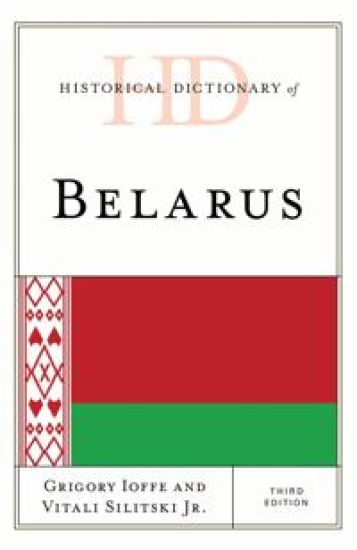
Historical Dictionary of Belarus

Historical Dictionary of Belarus

Grigory V. Ioffe; Vitali Silitski

Rowman Littlefield
2018
sidottu
Belarus is one of fifteen successor states of the former Soviet Union. It’s the only post-Soviet state that is in full of control of its territory and has no territorial conflicts with its neighbors. It’s squeezed between Russia and the European Union. Belarus had never been an independent nation prior to the Soviet Union’s disintegration and its identity is still evolving. This third edition of Historical Dictionary of Belarus contains a chronology, an introduction, appendixes, and an extensive bibliography. The dictionary section has over 500 cross-referenced entries on important personalities, politics, economy, foreign relations, religion, and culture. This book is an excellent resource for students, researchers, and anyone wanting to know more about Belarus.
Understanding Belarus and How Western Foreign Policy Misses the Mark
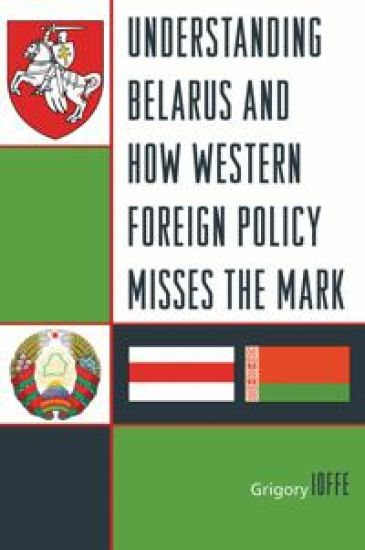
In the West, Belarus is generally thought of as "the last dictatorship in Europe." However, this political stereotype neglects the roots of the country's identity—or identity crisis. In this fascinating study of unfinished nation-building in Belarus, Grigory Ioffe draws on his two dozen research trips to the country to trace Belarus's history, geography, political situation, society, and economy. The book highlights rapid economic growth in post-1996 Belarus and the underpinnings of the country's political landscape. The United States has ostracized official Belarus since the mid-1990s and has repeatedly condemned President Lukashenka's undemocratic ways. However, his presidency has been stable since 1994, and since 2002 he has been successfully reshaping himself from an unabashed Russophile into a kind of Belarusian nationalist. Nevertheless, the Belarusian nation is not yet a defined entity—many Belarusians are not yet certain as to what sets them apart from Russians, and a multiplicity of national projects hinders national consolidation and deters nation-building. Ioffe pays particular attention to the current linguistic situation, in which Russian, rather than Belarusian, is the language of the majority. The ambivalent relationship between Russia and Belarus results in an identity crisis that is not understood by the West, which leads to Western policies toward Belarus that are based on a fallacy of geopolitical thinking. Based on Belarusian- and Russian-language sources along with the author's personal observations, this book will lead readers to a deeper understanding of Belarus, its relationship with Russia, and its still-forming national identity.

Understanding Belarus and How Western Foreign Policy Misses the Mark

Understanding Belarus and How Western Foreign Policy Misses the Mark

Grigory V. Ioffe

Rowman Littlefield Publishers
2008
sidottu
In the West, Belarus is generally thought of as "the last dictatorship in Europe." However, this political stereotype neglects the roots of the country's identity—or identity crisis. In this fascinating study of unfinished nation-building in Belarus, Grigory Ioffe draws on his two dozen research trips to the country to trace Belarus's history, geography, political situation, society, and economy. The book highlights rapid economic growth in post-1996 Belarus and the underpinnings of the country's political landscape. The United States has ostracized official Belarus since the mid-1990s and has repeatedly condemned President Lukashenka's undemocratic ways. However, his presidency has been stable since 1994, and since 2002 he has been successfully reshaping himself from an unabashed Russophile into a kind of Belarusian nationalist. Nevertheless, the Belarusian nation is not yet a defined entity—many Belarusians are not yet certain as to what sets them apart from Russians, and a multiplicity of national projects hinders national consolidation and deters nation-building. Ioffe pays particular attention to the current linguistic situation, in which Russian, rather than Belarusian, is the language of the majority. The ambivalent relationship between Russia and Belarus results in an identity crisis that is not understood by the West, which leads to Western policies toward Belarus that are based on a fallacy of geopolitical thinking. Based on Belarusian- and Russian-language sources along with the author's personal observations, this book will lead readers to a deeper understanding of Belarus, its relationship with Russia, and its still-forming national identity.