Kirjojen hintavertailu – 12 903 725 kirjaa ja 27 kauppaa

Kirjailija

Guilherme Fians

Kirjat ja teokset yhdessä paikassa: 6 kirjaa, julkaisuja vuosilta 2022–2025, suosituimpiin kuuluu Esperanto Revolutionaries and Geeks. Vertaile teosten hintoja ja tarkista saatavuus suomalaisista kirjakaupoista.

6 kirjaa

Kirjojen julkaisuvuodet: 2022–2025.

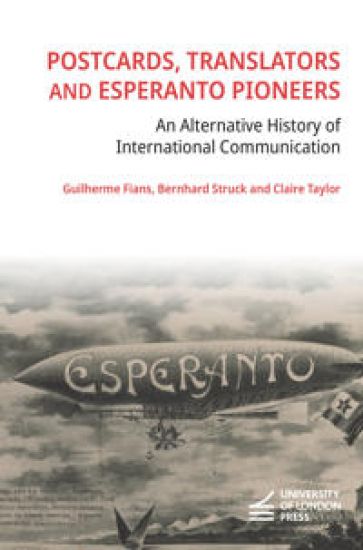
Postcards, Translators and Esperanto Pioneers: An Alternative History of International Communication

Postcards, Translators and Esperanto Pioneers: An Alternative History of International Communication

Bernhard Struck; Guilherme Fians; Claire Taylor

University of London Press
2025
nidottu

Halvin toimitettuna 31,80 €

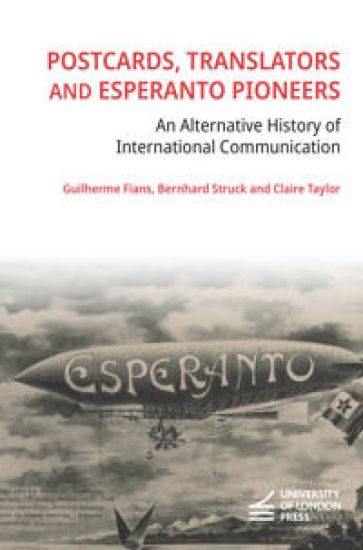
Beyond a linguistic experiment, Esperanto was a movement--this work tells the untold story of how its pioneers built real bridges across cultures, one postcard at a time. In the early twentieth century as the world grew increasingly interconnected, a Scottish family found an unlikely tool for forging transnational connections--Esperanto. Postcards, Translators and Esperanto Pioneers unmasks the fascinating microhistory of how everyday speakers of the constructed language built international networks, exchanging ideas and friendship across borders. Through postcards and translations, the book depicts how language and media shaped a grassroots vision of global communication long before the internet era. Moving from the Russian Empire to Scotland, the book stresses the crucial role of women in Esperanto's success. It also studies the translation of the Bible into the language as an act of both faith and diplomacy. By centering the experiences of ordinary Esperanto speakers, this work provides an alternative perspective on early twentieth-century globalization; one built not by political elites or economic forces, but through words exchanged between individuals striving to connect across cultures.
Postcards, Translators and Esperanto Pioneers: An Alternative History of International Communication

Postcards, Translators and Esperanto Pioneers: An Alternative History of International Communication

Bernhard Struck; Guilherme Fians; Claire Taylor

University of London Press
2025
sidottu

Halvin toimitettuna 71,70 €

Beyond a linguistic experiment, Esperanto was a movement--this work tells the untold story of how its pioneers built real bridges across cultures, one postcard at a time. In the early twentieth century as the world grew increasingly interconnected, a Scottish family found an unlikely tool for forging transnational connections--Esperanto. Postcards, Translators and Esperanto Pioneers unmasks the fascinating microhistory of how everyday speakers of the constructed language built international networks, exchanging ideas and friendship across borders. Through postcards and translations, the book depicts how language and media shaped a grassroots vision of global communication long before the internet era. Moving from the Russian Empire to Scotland, the book stresses the crucial role of women in Esperanto's success. It also studies the translation of the Bible into the language as an act of both faith and diplomacy. By centering the experiences of ordinary Esperanto speakers, this work provides an alternative perspective on early twentieth-century globalization; one built not by political elites or economic forces, but through words exchanged between individuals striving to connect across cultures.
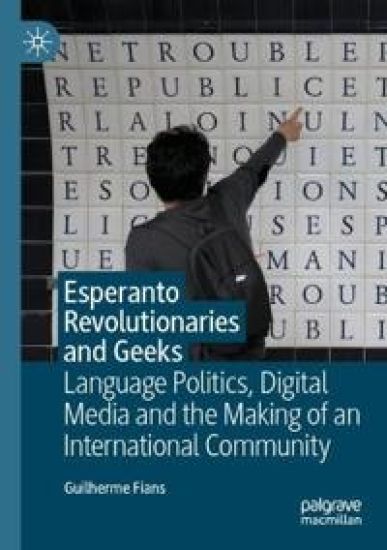
Esperanto Revolutionaries and Geeks

Esperanto Revolutionaries and Geeks

Guilherme Fians

Springer Nature Switzerland AG
2023
nidottu
This book explores how Esperanto – often regarded as a future-oriented utopian project that ended up confined to the past – persists in the present. Constructed in the late nineteenth century to promote global linguistic understanding, this language was historically linked to anarchism, communism and pacifism. Yet, what political relevance does Esperanto retain in the present? What impacts have emerging communication technologies had on the dynamics of this speech community? Unpacking how Esperanto speakers are everywhere, but concentrated nowhere, the author argues that digital media have provided tools for people to (re)politicise acts of communication, produce horizontal learning spaces and, ultimately, build an international community. As Esperanto speakers question the post-political consensus about communication rights, this language becomes an ally of activism for open-source software and global social justice. This book will be of relevance to students and scholars researchingpolitical activism, language use and community-building, as well as anyone with an interest in digital media more broadly.
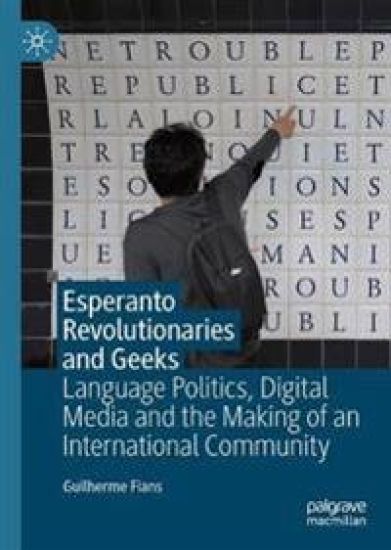
Esperanto Revolutionaries and Geeks

Esperanto Revolutionaries and Geeks

Guilherme Fians

Springer Nature Switzerland AG
2022
sidottu
This book explores how Esperanto – often regarded as a future-oriented utopian project that ended up confined to the past – persists in the present. Constructed in the late nineteenth century to promote global linguistic understanding, this language was historically linked to anarchism, communism and pacifism. Yet, what political relevance does Esperanto retain in the present? What impacts have emerging communication technologies had on the dynamics of this speech community? Unpacking how Esperanto speakers are everywhere, but concentrated nowhere, the author argues that digital media have provided tools for people to (re)politicise acts of communication, produce horizontal learning spaces and, ultimately, build an international community. As Esperanto speakers question the post-political consensus about communication rights, this language becomes an ally of activism for open-source software and global social justice. This book will be of relevance to students and scholars researchingpolitical activism, language use and community-building, as well as anyone with an interest in digital media more broadly.