Kirjojen hintavertailu – 12 859 818 kirjaa ja 27 kauppaa
Kirjailija
Gustaf Kjellin
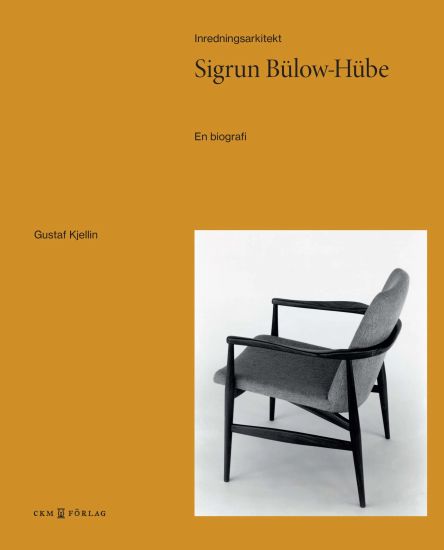
Kirjat ja teokset yhdessä paikassa: 6 kirjaa, julkaisuja vuosilta 2018–2026, suosituimpiin kuuluu Inredningsarkitekt Sigrun Bülow-Hübe - En biografi. Vertaile teosten hintoja ja tarkista saatavuus suomalaisista kirjakaupoista.
Inredningsarkitekten Sigrun Bülow-Hübe (1913–1994) föddes i Sverige och dog i Kanada. Hon skapade inredningar till några av efterkrigstidens mest framstående arkitekturprojekt som Malmö Stadsteater (1944) och Ottawa City Hall (1958), formgav bästsäljande och prisbelönta möbler för Kooperativa Förbundet i Sverige och finsnickeriet AKA Works i Montreal där hon var chefsdesigner och delägare. Sigrun ritade flertalet utställningar och fick sin egen design utställd på dåtidens viktigaste evenemang, som Exposition Internationale de l'Urbanisme i Paris och Triennale di Milano, och var instrumental i etableringen av en standard i Sverige och Kanada för hemmets viktigaste rum – köket. Den här boken ger en övergripande redogörelse, delvis i Sigruns egna ord, av hennes liv och verk satt i en designhistorisk kontext. En historia som visar på ett enastående livsverk som sträcker sig över ett halvt sekel och som utgör en okänd men betydande brygga mellan två internationellt erkända design nationer.
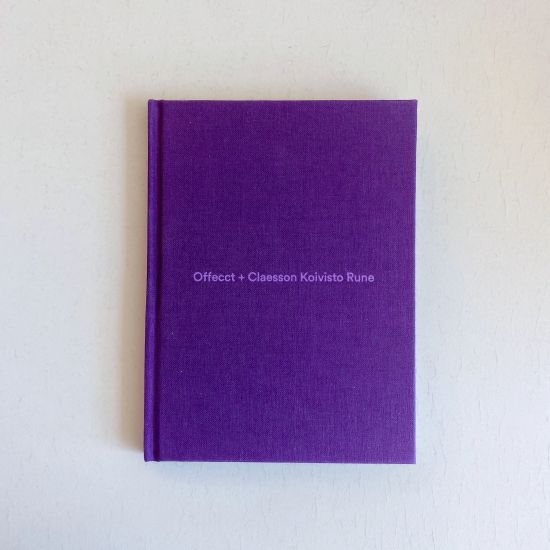
Through an elaborate arrangement of mirrors, the coffee table Vertigo creates an illusion of infinite depth contained within architectural refinement. The launch of Vertigo and a new book, marks 25 years of inspired collaboration between Offecct and Claesson Koivisto Rune. The award-winning coffee table Vertigo is an interactive piece of furniture with strong sculptural qualities that offers contemplation in any environment. Vertigo was first introduced in 2005 in one size and consists of a metal frame supporting two glass tabletops; the top shelf is made of one-way mirror glass while the bottom shelf is a mirror glass. The one-way mirror glass top shelf allows the viewer to see through it to the mirror glass below while simultaneously experiencing the two mirror glass shelves reflecting in each other. This creates the appearance of a bottomless depth when seen from above, and when placing objects on the bottom shelf, the reflections create an infinite number of framings. To mark 25 years of collaboration between Claesson Koivisto Rune and Offecct, Vertigo returns in three new sizes and shapes with three striking colours. This table illustrates a long lived misconception about us and our work. Those who call us minimalists have not really understood that it is not about minimalism; for us it has always been about adding something. Claesson Koivisto Rune Claesson Koivisto Rune began their collaboration with Offecct in 1999 and have over the years completed over 50 projects together many of which have been awarded for their strong contribution to the improvement of our public and private meeting environments. From acoustic panels and side tables to easy chairs and sofa systems, they have all now, for the first time, been collected in a book in which Claesson Koivisto Rune describe their journey with Offecct, while giving their thoughts on their work in relation to art, architecture and design. This is the sixth book in a series published by Offecct, initiated to give clients a deeper understanding of their collaborations and the ideas behind the designs. Ultimately, it serves as a document of design history for anyone interested in knowing more about the craft of our time. This book series have been developed and produced by the celebrated Swedish graphic design studio Henrik Nygren Design. Previous books published in this series: Matti Klenell (2021), Luca Nichetto (2021), Lucy Kurrein (2021), Sketches, Ideas and News (2022), Pauline Deltour (2022).
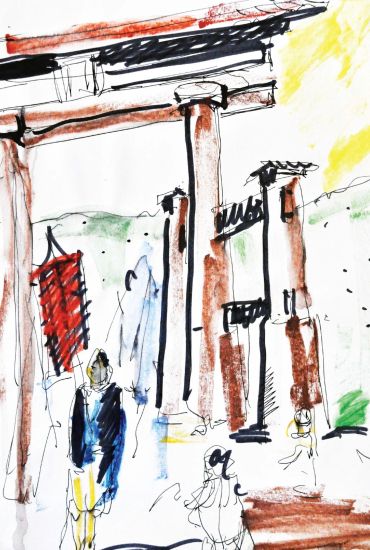
Våren 1956 reste keramikern Wilhelm Kåge till Japan för en två månader lång vistelse. Under resans gång fyllde Kåge ett tjock skissblock med egna skisser och bilder på människor, byggnader och landskap. I boken Kåge/Hamada återges skissblocket i sin helhet för första gången för en allmänhet.
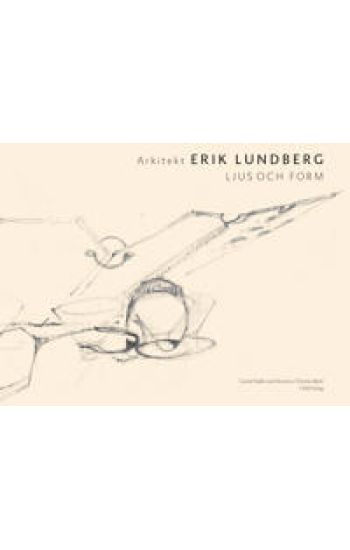
Arkitekten Erik Lundberg (1895–1969) är en av Sveriges genom tiderna mest inflytelserika kyrkorestaurerare, och som den danska konstnären Asger Jorn beskrev honom “…den enda riktiga arkitekturhistoriker vi alls har…”. Lundbergs tio volymer stora verk Arkitekturens Formspråk (1945–60) är än idag en oöverträffad källa till teorier om upplevelsen av arkitektur för såväl äldre som nya generationer arkitekter. Men Lundbergs roll som formgivare har förblivit okänd. Till flertalet av de kyrkor runt om i landet som han restaurerade, formgav Erik Lundberg även belysningsarmaturer med ett unikt formspråk som kraftigt avvek ifrån dåtidens funktionalistiska stilideal. Med hjälp av familjen Lundberg, intervjuer med tidigare kollegor – och med till stora delar hittills opublicerade fotografier, skisser och ritningar – har den här boken ambitionen att för första gången på ett överskådligt sätt presentera Erik Lundberg för en vidare krets formintresserade och ge honom plats i den svenska designhistorien.
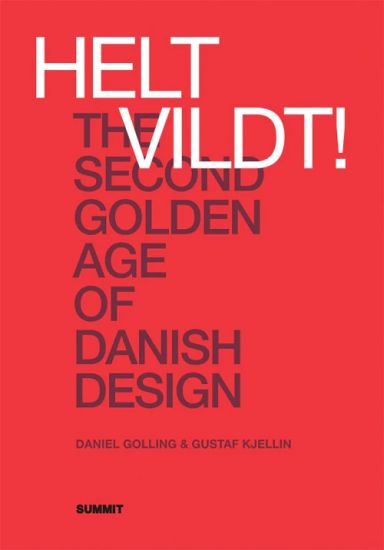
It is easier to name five contemporary Danish design brands than five living Danish designers. That statement might seem provocative but it usually elicits laughter and a comment along the lines of, “Yes, you’re right,” even from Danes working within the industry. Of course, given a moment, we would be able to come up with more than five names of Danish designers working today, but the question points up a significant phenomenon in today’s Danish design: it is the brands – not the designers – that we hear about and refer to. The brands that have made names for themselves are young, some barely ten years old, and yet they are defining what Danish design is. How did this come about and how has it affected the values associated with the concept Danish design and the country’s design industry in general? The purpose of this book, in essence, is to find answers to these questions and put them in their proper context — that is, in the second golden age of Danish design.