Kirjailija
Gustavo Gutierrez
Kirjat ja teokset yhdessä paikassa: 20 kirjaa, julkaisuja vuosilta 1987–2026, suosituimpiin kuuluu Gustavo Gutierrez. Vertaile teosten hintoja ja tarkista saatavuus suomalaisista kirjakaupoista.
Nimi esiintyy myös muodoissa: Gustavo Gutiérrez
20 kirjaa
Kirjojen julkaisuvuodet: 1987–2026.

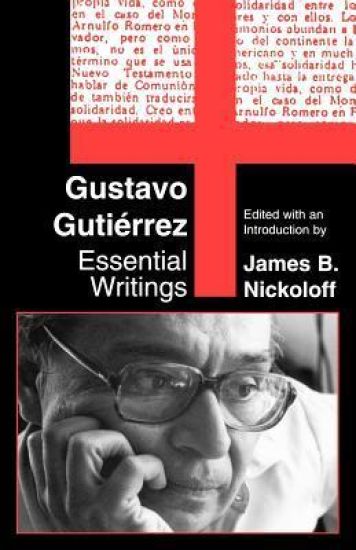
This book offers a selection of representative texts which should enable readers to perceive the whole breadth and depth of Gutierrez's challenge to late twentieth-century Christians.
Gustavo Gutierrez (1928-2024), a Peruvian priest and theologian, is widely recognized as the "father of liberation theology." This book, published posthumously, was his final work, the summation of his life project on liberation theology and the option for the poor.
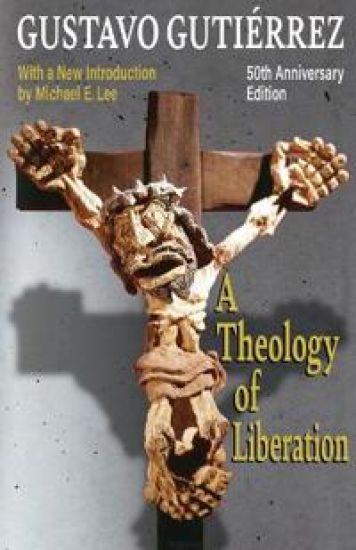
A Theology of Liberation: History, Politics, and Salvation 50th Anniversary Edition with New Introduction by Michael E. Lee)
Gustavo Gutierrez
ORBIS BOOKS (USA)
2023
nidottu
Halvin toimitettuna 28,40 €
"It would be difficult to name another theological book these past five decades that has been more influential, has inspired more believers and non-believers alike to think differently about the Christian faith, and has engendered so much controversy." So begins Michael E. Lee's introduction to this 50th anniversary edition of the classic work that signaled a new style of doing theology. The theological project launched in this book was, as Fr. Guti rrez wrote, "based on the gospel and the experiences of men and women committed to the process of liberation in the oppressed land of Latin America." It was "born of the experience of shared efforts to abolish the current unjust situation and to build a different society, freer and more human." Yet its influence was quickly felt around the world, inspiring numerous offshoots, as well as provoking critical reactions, both inside and outside the Church. A Theology of Liberation has won wide acclaim as one of the most influential works of Christian theology of the last century. Yet Guti rrez himself concluded the book by noting that any theology of liberation "is not worth one act of genuine solidarity with exploited social classes. They are not worth one act of faith, love, and hope committed . . . in active participation to liberate humankind from everything that dehumanizes it and prevents it from living according to the will of God."
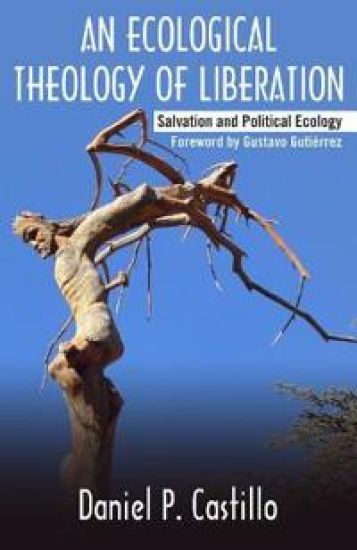
An Ecological Theology of Liberation
Daniel P. Castillo; Gustavo Gutierrez
Orbis Books (USA)
2019
pokkari
What is the relationship between salvation, human liberation, and care for creation? Extending the ideas presented in Gustavo Gutierrez's A Theology of Liberation, Daniel Castillo embraces a green liberation theology that recognizes the need for political and ideological paradigm shifts in relation to globalization.
Renowned Peruvian theologian Gustavo Gutierrez opens up the riches of scriptures as they unfold through the liturgical year. Covering all three cycles (A, B and C), Gutierrez offers penetrating reflections on each of the Sunday lectionary readings. He constantly stresses the biblical themes of liberation and love, and points to the challenges inherent in living the life of faith in our own times. This book will fill a long-felt need, at a time when the authority and relevance of preaching is coming under the spotlight. It combines, uniquely, the profound thinking of a theological giant with the accessibility of a handbook. This combination will make it a key resource for anyone who preaches on Sundays, for anyone who wishes to live the liturgical year through their own scriptural reading, and for anyone who has ever asked themselves how the gospels can be good news for our troubled world today.
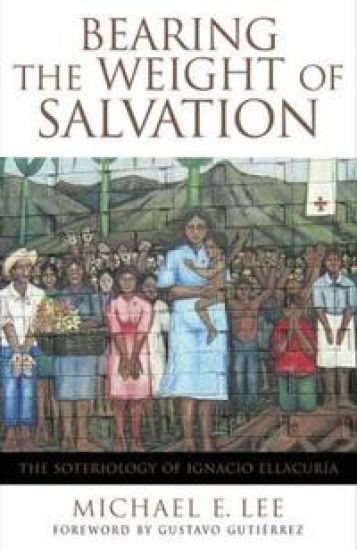
Bearing the Weight of Salvation
Michael E. Lee; Gustavo Gutierrez
Crossroad Publishing Co ,U.S.
2009
nidottu
Exploring the nature of Christian salvation, known as soteriology, and its relation to Christian action, this insightful account thoroughly discusses theologian and martyr Ignacio Ellacuría's perspectives on the character of Christian discipleship and controversies over liberation theology. Recognizing philosophical, Christological, and ecclesiological dimensions, the volume carefully analyzes the complexities of topics that include praxis as real discipleship, transforming realities and contesting orthodoxies, and the impact of Ellacuría's theological legacy.
The publication of the first edition in 1984 was a significant event in the development of liberation theology.
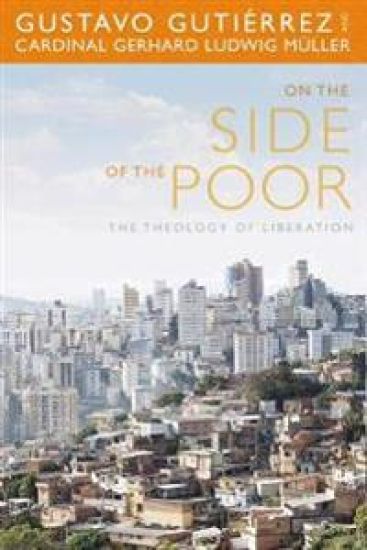
"In my judgment, the ecclesial and theological movement that began after the Second Vatican Council in Latin America under the name 'liberation theology," . . . is one of the most significant currents of Catholic theology in the 20th century."" --Cardinal Gerhard Ludwig MullerFor many years the theology of liberation, which emerged from Latin America in the 1970's, was viewed with suspicion in Rome. It was the subject of a critical notification from the Vatican Congregation for the Doctrine of the Faith, and many of its leading proponents were disciplined or silenced. Now, an historic exchange between Gustavo Gutierrez, author of the seminal work "A Theology of Liberation," and Cardinal Muller, the current Prefect of the Congregation for the Doctrine of the Fiath, signals a new chapter in this ongoing dialogue. Cardinal Muller, a former student of Gutierrez who spent many summers working in Peru, writes with deep feeling and conviction about the contributions of liberation theology to church teaching--particularly in articulating the preferential option for the poor. In his contributions, Gutierrez lays out the essential ideas of liberation theolgoy, its ecclesail location, and its fresh enunciation of the gospel for our time.
We Drink from Our Own Wells: The Spiritual Journey of a People
Gustavo Gutierrez
Orbis Books
2003
nidottu
In this passionate work, the pioneering author of 'A Theology of Liberation' delves into the life, thought, and contemporary meaning of Bartolome de Las Casas, sixteenth-century Dominican priest, prophet, and Defender of the Indians" in the New World. Writing against the backdrop of the fifth centenary of the conquest of the Americas, Gutierrez seeks in the remarkable figure of Las Casas the roots of a different history and a gospel uncontaminated by force and exploitation.
This is the credo and seminal text of the movement which was later characterized as liberation theology. The book burst upon the scene in the early seventies, and was swiftly acknowledged as a pioneering and prophetic approach to theology which famously made an option for the poor, placing the exploited, the alienated, and the economically wretched at the centre of a programme where "the oppressed and maimed and blind and lame" were prioritized at the expense of those who either maintained the status quo or who abused the structures of power for their own ends. This powerful, compassionate and radical book attracted criticism for daring to mix politics and religion in so explicit a manner, but was also welcomed by those who had the capacity to see that its agenda was nothing more nor less than to give "good news to the poor", and redeem God's people from bondage.
This is the credo and seminal text of the movement which was later characterized as liberation theology. This powerful, compassionate and radical book attracted criticism for daring to mix politics and religion in so daring a manner.
Revealing the scriptures as they unfold through the liturgical year, this text covers all three cycles, A, B and C. It offers reflections on each of the Sunday lectionary readings, stresses the biblical themes of liberation and love, and points out the challenges of living the faith.
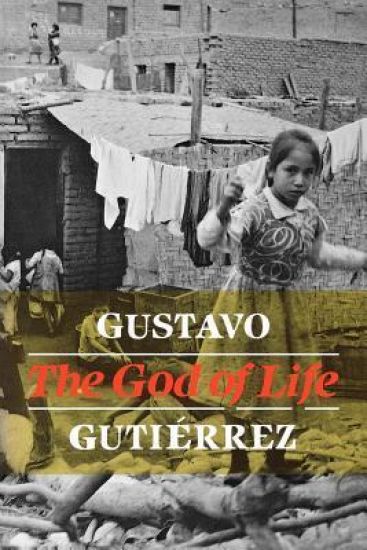
My desire is that this book may help readers to know more fully the God of biblical revelation and, as a result, to proclaim God as the God of life. Who is God? Where is God? How are we to speak of God? Gutierrez looks at these classic questions through a review of the Bible, and his answers challenge all Christians to a deepening of faith.
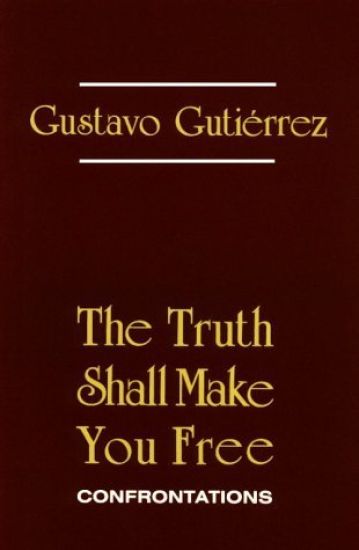
Building on his classic A Theology of Liberation, The world's preeminent liberation theologian addresses some of the challenges that have been raised against this "new way of doing theology" and charts its prospects for the future. Lucid and cogent, The Truth Shall Make You Free brings to the forefront liberation theology's answers to its critics, refining the terms of discussion and opening the way for further dialogue, moving the discussion and debate to the next higher plane.
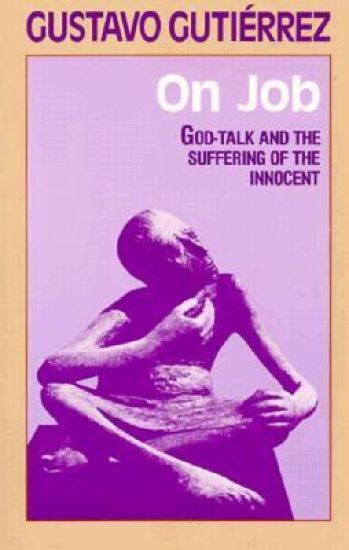
One of this century's most eminent theologians addresses the eternal questions of the relationship of good and evil, linking the story of Job to the lives of the poor and oppressed of our world.