
Kirjojen hintavertailu – 12 903 725 kirjaa ja 27 kauppaa

Kirjailija

Gweno Williams

Kirjat ja teokset yhdessä paikassa: 2 kirjaa, julkaisuja vuosilta 2017–2021, suosituimpiin kuuluu Literature for the English classroom, Second Edition. Vertaile teosten hintoja ja tarkista saatavuus suomalaisista kirjakaupoista.

2 kirjaa

Kirjojen julkaisuvuodet: 2017–2021.

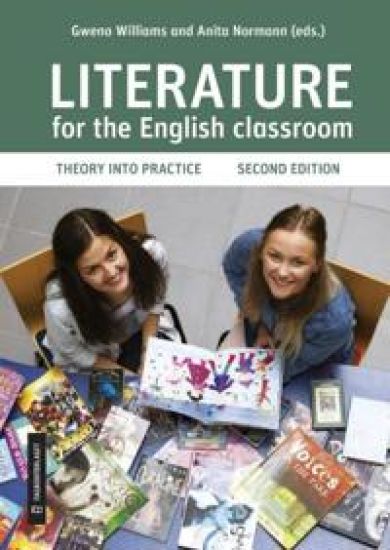
Literature for the English classroom, Second Edition

Literature for the English classroom, Second Edition

Gweno Williams; Anita Normann

Fagbokforlaget
2021
pokkari

Halvin toimitettuna 42,90 €

Bringing together enthusiastic and experienced scholars from Norway and the UK, this book (now in its second edition) sets out to provide an informative and accessible bridge between excellent contemporary English language literature and teaching English as a foreign language (TEFL). Have a look inside! New perspectives in the fully updated second edition include extensive attention to LK20 curriculum competence aims. Four newly commissioned chapters cover global Englishes and diversity, digital literature, reading approaches for all, and active engagement with poetry. This book amply meets the needs of the English teacher training and school curriculum, Literature for children and young adults remains a main focus, including new genres, such as graphic novels, digital texts and experimental picturebooks. Texts suggested represent a wide range of English-speaking countries and communities. A wide range of options and thoughtful guidance on choosing and analysing appropriate and exciting material for classroom use are offered. All 10 chapters combine up-to-date theoretical and applied research-based insights with practical and adaptable pedagogic activities. A variety of approaches, including differentiation and online tasks, are suggested in every chapter, to help meet the multiple demands on classroom teachers of English. Creative active learning approaches include examples of outdoor learning activities, drama projects and text co-creation. Multi-modal texts and resources are featured. Balancing presentation of contemporary literary genres and adaptations, including film, with poetry, novels, and Shakespeare, this book will be essential reading for teacher training students of English and TEFLteachers at all levels in the school system.
Women and Dramatic Production 1550 - 1700

Women and Dramatic Production 1550 - 1700

Alison Findlay; Gweno Williams; Stephanie Wright

Routledge
2017
sidottu
There is a traditional view that women were absent from the field of dramatic production in the early modern period because of their exclusion from professional theatre. Women and Dramatic Production 1550-1700 challenges this view and breaks new ground in arguing that, far from writing in closeted retreat, a select number of women took an active part in directing and controlling dramatic self-representations. Examining texts from the mid-sixteenth century through to the end of the seventeenth, the chapters trace the development of a women-centred aesthetic in a variety of dramatic forms. Plays by noblewomen such as Mary Sidney, Elizabeth Cary, Mary Wroth, Rachel Fane and the women of the Cavendish family, form an alternative dramatic tradition centred on the household. The powerful directorial and performative roles played by queens in royal progresses and masques are explored as examples of women's dramatic production in the royal court. The book also highlights women's performances in alternative venues, such as the courtroom and the pulpit, arguing that the practices of martyrs like Margaret Clitherow or visionaries like Anna Trapnel call into question traditional definitions of theatre. The challenges faced by women who were admitted to the professional theatre companies after 1660 are explored in two chapters which deal with the plays of Katherine Philips, Elizabeth Polwhele, Aphra Behn, and Mary Pix, among others. By considering the theatrical dimensions of a wide range of early modern women's writing, this book reveals the breathtaking panorama of women's dramatic production and will be essential reading for students of women's writing and renaissance drama.