Kirjojen hintavertailu – 12 903 725 kirjaa ja 27 kauppaa
Kirjailija
H. Daniel Zacharias
Kirjat ja teokset yhdessä paikassa: 11 kirjaa, julkaisuja vuosilta 2008–2025, suosituimpiin kuuluu Yardimsever Kanguru. Vertaile teosten hintoja ja tarkista saatavuus suomalaisista kirjakaupoista.
Uluslararasi çoksatan yazar Jeff Kinney’in Serisi Beyin Bedava ile devam ediyor… Ortaokula giden Greg okulda yine yeni maceralara atiliyor. Ögrencilik hayati Greg için eglenceli geçmemektedir. Bu yüzden okul kapatilma tehdidiyle karsi karsiya kaldiginda Greg’in buna çok da üzüldügü söylenemez. Ta ki hem istemedigi okula gönderilecek olmasinin hem de en iyi arkadasi Rowley’le ayrilacaginin farkina varana kadar
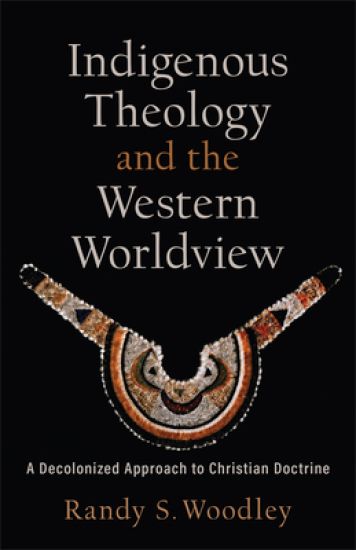
This volume by a Cherokee teacher, former pastor, missiologist, and historian brings Indigenous theology into conversation with Western approaches to history and theology. Written in an accessible, conversational style that incorporates numerous stories and questions, this book exposes the weaknesses of a Western worldview through a personal engagement with Indigenous theology. Randy Woodley critiques the worldview that undergirds the North American church by dismantling assumptions regarding early North American histories and civilizations, offering a comparative analysis of worldviews, and demonstrating a decolonized approach to Christian theology. Woodley explains that Western theology has settled for a particular view of God and has perpetuated that basic view for hundreds of years, but Indigenous theology originates from a completely different DNA. Instead of beginning with God-created humanity, it begins with God-created place. Instead of emphasizing individualism, it emphasizes a corporateness that encompasses the whole community of creation. And instead of being about the next world, it is about the tangibility of our lived experiences in this present world. The book encourages readers to reject the many problematic aspects of the Western worldview and to convert to a worldview that is closer to that of both Indigenous traditions and Jesus.
Her çocugun bir masala, her masalin bir anlaticiya ihtiyaci vardir. Masallar hayatla bas etme becerilerimizi gelistirirken, hayal dünyamizin zenginlesmesine de yardimci olur. Bu masal da bir kangurunun çocuklara yardim etmesiyle basliyor.
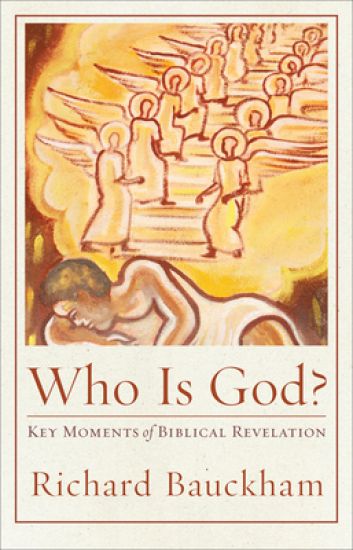
Internationally respected scholar Richard Bauckham offers a brief, engaging study of divine revelation in Scripture. He probes the deep meaning of well-known moments in the biblical story in order to address the key question the Bible is designed to answer: Who is God? Accessible for laypeople and important to scholars, this volume begins by exploring three key events in the Bible in which God is revealed: Jacob's dream at Bethel (the revelation of the divine presence), Moses at the burning bush (the revelation of the divine Name), and Moses on Mount Sinai (the revelation of the divine character). In each case, Bauckham traces these themes through the rest of Scripture. He then shows how the New Testament builds on the Old by exploring three revelatory events in Mark's Gospel, events that reveal the Trinity: Jesus's baptism, transfiguration, and crucifixion. This book, now in paperback, is based on the Frumentius Lectures for 2015 at the Ethiopian Graduate School of Theology in Addis Ababa and on the Hayward Lectures for 2018 at Acadia Divinity College, Nova Scotia." A short, powerful book on a huge, vital topic."--N. T. Wright, University of St. Andrews; Wycliffe Hall, Oxford
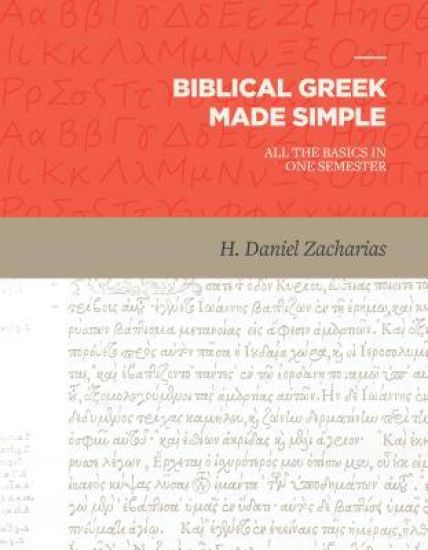
Diligent study of God's Word involves engaging with it in the language it was written. Learning Greek can be a challenging experience for seminary students but it is a critical piece of their education. Engaging with the Bible in its original language will lead to deeper understanding, new insights, and provide tools to enter into the conversation surrounding God's Word. Biblical Greek Made Simple is a one-semester textbook that teaches the basics of biblical Greek. Designed with the modern student and curriculum in mind, this grammar introduces all the essential elements of biblical Greek while also utilizing the tools and features of Logos Bible Software to help retain and enhance knowledge of Greek. Each chapter includes exercises tailored to its contents as well as additional teaching material for further advancement. Daniel Zacharias provides a solid overview of the entire biblical Greek system, while challenging students to understand how this ancient language is relevant to meaning and translation.
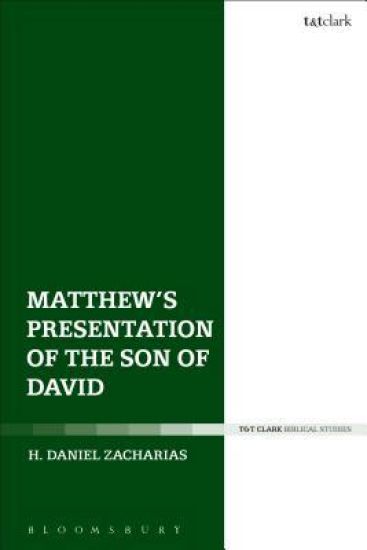
H. Daniel Zacharias presents a literary-critical analysis of the Gospel of Matthew and its interaction with Davidic tradition and use of Davidic typology. Throughout the narrative, the evangelist makes pervasive use of Davidic tradition from the Old Testament in his portrayal of Jesus. This begins from the first verse and the declaration that Jesus is the Son of David, and culminates in Jesus’ usage of Psalm 22’s Davidic lament on the cross. Davidic material is present throughout Matthew, in allusion, in specific citations, in thematic material. In addition, Matthew makes use of Davidic typology numerous times, with David as type and Jesus as anti-type. Zacharias shows how the use of Davidic material presents to the reader a scripturally-grounded redefinition of what it means for Jesus to be the Son of David: not as a violent militant leader, as some expected, but as a physical descendant of David, a healing shepherd, and a humble king. Within the Gospel, Matthew utilizes Davidic typology to show how the Son of David even has similar experiences as his royal predecessor. Even David’s own words from the psalms are utilized as testimony to the legitimacy of Jesus as the Davidic Messiah.
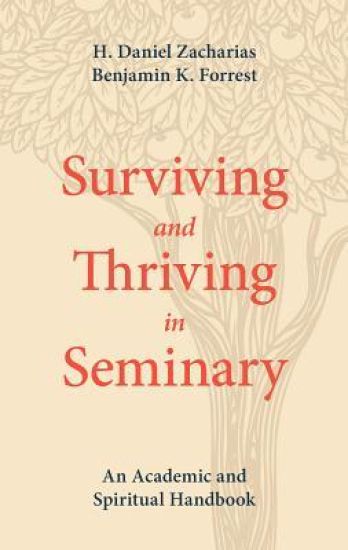
Seminary can be rich and rewarding, but also disorienting. In addition to the typical challenges of doing graduate studies, your experiences in seminary affect how you see God, other people, and yourself. The stakes are high, but the good news is that you're not alone on this journey. In Surviving and Thriving in Seminary, two experienced professors (and former seminary students) guide you through what to expect and how to navigate your years in seminary. They tell you what they tell their own students--and what they wish they'd heard themselves. You'll get practical advice on how to prepare your own heart and relationships, how to manage your time and energy, and how to acquire the study skills you need. This essential book encourages and equips current and soon-to-be students to get the most out of their time in seminary.
H. Daniel Zacharias presents a literary-critical analysis of the Gospel of Matthew and its interaction with Davidic tradition and use of Davidic typology. Throughout the narrative, the evangelist makes pervasive use of Davidic tradition from the Old Testament in his portrayal of Jesus. This begins from the first verse and the declaration that Jesus is the Son of David, and culminates in Jesus’ usage of Psalm 22’s Davidic lament on the cross. Davidic material is present throughout Matthew, in allusion, in specific citations, in thematic material. In addition, Matthew makes use of Davidic typology numerous times, with David as type and Jesus as anti-type. Zacharias shows how the use of Davidic material presents to the reader a scripturally-grounded redefinition of what it means for Jesus to be the Son of David: not as a violent militant leader, as some expected, but as a physical descendant of David, a healing shepherd, and a humble king. Within the Gospel, Matthew utilizes Davidic typology to show how the Son of David even has similar experiences as his royal predecessor. Even David’s own words from the psalms are utilized as testimony to the legitimacy of Jesus as the Davidic Messiah.