Kirjojen hintavertailu – 12 903 724 kirjaa ja 27 kauppaa
Kirjailija
Hagen Schulz-Forberg
Kirjat ja teokset yhdessä paikassa: 5 kirjaa, julkaisuja vuosilta 2006–2024, suosituimpiin kuuluu A Global Conceptual History of Asia, 1860–1940. Vertaile teosten hintoja ja tarkista saatavuus suomalaisista kirjakaupoista.
Contributors to this volume explore the changing concepts of the social and the economic during a period of fundamental change across Asia. They challenge accepted explanations of how Western knowledge spread through Asia and show how versatile Asian intellectuals were in introducing European concepts and in blending them with local traditions.
Contributors to this volume explore the changing concepts of the social and the economic during a period of fundamental change across Asia. They challenge accepted explanations of how Western knowledge spread through Asia and show how versatile Asian intellectuals were in introducing European concepts and in blending them with local traditions.
The Maastricht Treaty in 1992 was based on neoliberal ideas of a market-driven European economy and democracy, and continues to be seen as a step towards a new stage of unification: towards a more federal Europe based on market integration. The authors demonstrate that European integration as a federal project actually came to an end around 1970. The European Economic Community (EEC) - the precursor of EU - was never thought of as a democracy. The authors locate a shift in thinking about legitimacy and further integration in the 1980s when the idea of a European democracy was connected with a plan for the internal market: the market would pave the way for democracy. Since then, there has been a growing tension between the official line about a democratic EU and the institutional capacity to carry it through. This tension undermined integration. The book suggests that, instead of democracy-through-market, there are signs of increasing social disintegration, political extremism and populism in the wake of economic integration. Providing a more realistic historical understanding of European integration, this book will be of interest to students and scholars of political science, history and European studies.
The Maastricht Treaty in 1992 was based on neoliberal ideas of a market-driven European economy and democracy, and continues to be seen as a step towards a new stage of unification: towards a more federal Europe based on market integration. The authors demonstrate that European integration as a federal project actually came to an end around 1970. The European Economic Community (EEC) - the precursor of EU - was never thought of as a democracy. The authors locate a shift in thinking about legitimacy and further integration in the 1980s when the idea of a European democracy was connected with a plan for the internal market: the market would pave the way for democracy. Since then, there has been a growing tension between the official line about a democratic EU and the institutional capacity to carry it through. This tension undermined integration. The book suggests that, instead of democracy-through-market, there are signs of increasing social disintegration, political extremism and populism in the wake of economic integration. Providing a more realistic historical understanding of European integration, this book will be of interest to students and scholars of political science, history and European studies.
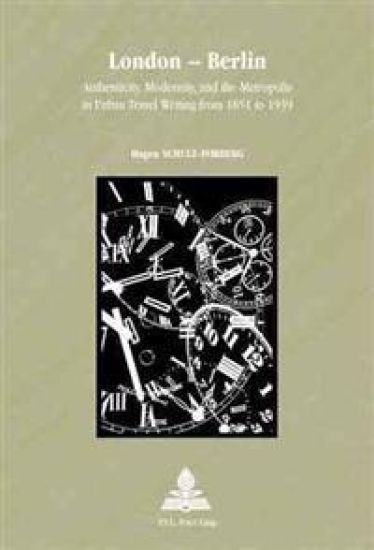
In the 19th century, the metropolis became the soothsayer of societies. Here, probabilities of progress could be perceived, felt and smelt; here was the showcase of each nation's prime productions and representations. Travellers took to the metropolis in order to unravel the foreign society, in order to understand and learn about social characteristics and future developments, about cultural distinctions and commonalities, about banalities and extraordinary events. Travel writers mapped the development of Europe's metropolises and wrote for a large market using the form of a highly popular and established genre. In travel writing, popular sentiments, market-driven imaginations of the audience's interests, and on-the-spot analysis of cultural and political conditions are bound together in one account. This book surveys the history of cultural perception in Western Europe from the Great Exhibition of 1851 to the National Socialists' party rallies in the Berlin of the 1930s. Travel writings are used as source material to enter the intricate discourses on national stereotypes, the metropolis and on the usage as well as the perception of authenticity.ÿ