Kirjojen hintavertailu – 12 859 828 kirjaa ja 27 kauppaa
Kirjailija
Haiqing Yu
Kirjat ja teokset yhdessä paikassa: 6 kirjaa, julkaisuja vuosilta 2009–2023, suosituimpiin kuuluu Digital Transnationalism. Vertaile teosten hintoja ja tarkista saatavuus suomalaisista kirjakaupoista.
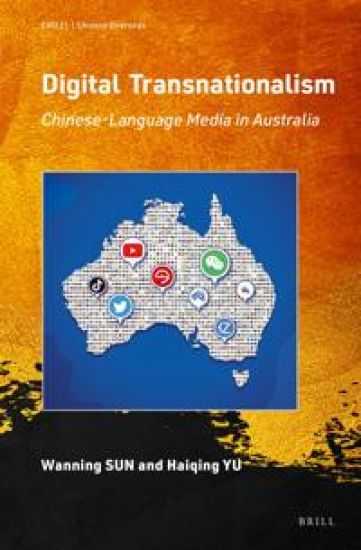
This is the first book in English on Chinese-language digital media in Australia. The book comes at a time when the relationship between China and the West is at its most troubling since the end of the Cold War. Combining rich ethnographic insights with dispassionate analysis, this investigation into Australia’s Chinese-language digital and social media sheds new light on how migrants from the People’s Republic of China negotiate two media, cultural and political systems. The book is a timely antidote to the polarized and often simplistic positions that dominate ongoing debates about the Chinese diaspora and diasporic media, and injects much-needed nuance into analyses of the changing face of Chinese transnationalism.
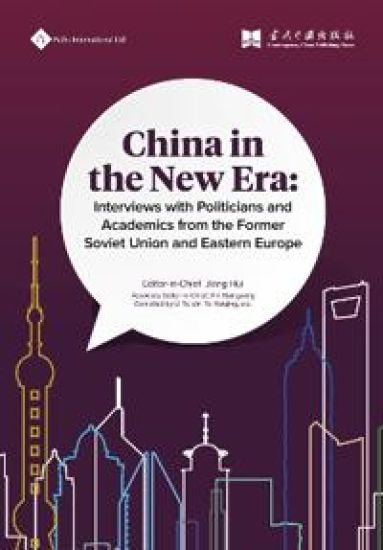
From the perspective of China's new era by the former Communist Party and state leaders in the former Soviet region and Eastern Europe, this book examines China's political development. In the form of summaries and interviews, it shows how the former party and state leaders see the new era, reviews the history of relations with China. Meanwhile, the book makes an in-depth observation and reflection on the rapid changes and development of China and on the history, reality and future of socialism on a global level.
China’s Digital Presence in the Asia-Pacific explores China’s digital presence in the Asia-Pacific region. Drawing on political economy of the media, industry analysis, platform studies and cultural policy studies, the book shows that China’s commercial digital platforms are increasingly recognized outside China and can disseminate Chinese culture more effectively than government supported media. It illustrates how these platforms are contributing to Chinese cultural influence, their perceived reputation and obstacles in the region while pursuing a combined approach of culture+, industry+, internet+, and platform+. In considering the multi-layered rise of the China argument, the book considers its growing technological status as an innovative nation through four policy approaches: culture+, industry+, Internet+ and platform+. Other + characterizations include intelligent+ and social+. These + characterizations show how China is rejuvenating, drawing technological knowhow from the region and adding to its cultural (and soft) power. The book focuses on six locations: Hong Kong, Taiwan, Singapore, Malaysia, Australia and New Zealand. The authors analyse Beijing’s changing policies towards the governance of culture, Internet technologies and digital platforms, as well as examining consumer perceptions of China and Chinese products in the Asia-Pacific region. In using the + characterizations, the authors provide a comprehensive analysis of how Chinese cultural and creative industries became digital, as well as investigating the key players and the leading platforms including Alibaba, Tencent, ByteDance, TikTok, Baidu, iQiyi and Meituan.
China’s Digital Presence in the Asia-Pacific explores China’s digital presence in the Asia-Pacific region. Drawing on political economy of the media, industry analysis, platform studies and cultural policy studies, the book shows that China’s commercial digital platforms are increasingly recognized outside China and can disseminate Chinese culture more effectively than government supported media. It illustrates how these platforms are contributing to Chinese cultural influence, their perceived reputation and obstacles in the region while pursuing a combined approach of culture+, industry+, internet+, and platform+. In considering the multi-layered rise of the China argument, the book considers its growing technological status as an innovative nation through four policy approaches: culture+, industry+, Internet+ and platform+. Other + characterizations include intelligent+ and social+. These + characterizations show how China is rejuvenating, drawing technological knowhow from the region and adding to its cultural (and soft) power. The book focuses on six locations: Hong Kong, Taiwan, Singapore, Malaysia, Australia and New Zealand. The authors analyse Beijing’s changing policies towards the governance of culture, Internet technologies and digital platforms, as well as examining consumer perceptions of China and Chinese products in the Asia-Pacific region. In using the + characterizations, the authors provide a comprehensive analysis of how Chinese cultural and creative industries became digital, as well as investigating the key players and the leading platforms including Alibaba, Tencent, ByteDance, TikTok, Baidu, iQiyi and Meituan.
This book examines the role played by the media in China’s cultural transformation in the early years of the 21st century. In contrast to the traditional view that sees the Chinese media as nothing more than a tool of communist propaganda, it demonstrates that the media is integral to China’s changing culture in the age of globalization, whilst also being part and parcel of the State and its project of re-imagining national identity that is essential to the post-socialist reform agenda. It describes how the Party-state can effectively use media events to pull social, cultural and political resources and forces together in the name of national rejuvenation. However, it also illustrates how non-state actors can also use reporting of media events to dispute official narratives and advance their own interests and perspectives. It discusses the implications of this interplay between state and non-state actors in the Chinese media for conceptions of identity, citizenship and ethics, identifying the areas of mutual accommodation and appropriation, as well as those of conflict and contestation. It explores these themes with detailed analysis of four important ‘media spectacles’: the media events surrounding the new millennium celebrations; the news reporting of SARS; the media stories about AIDS and SARS; and the media campaign war between the Chinese state and the Falun Gong movement.
This book examines the role played by the media in China’s cultural transformation in the early years of the 21st century. In contrast to the traditional view that sees the Chinese media as nothing more than a tool of communist propaganda, it demonstrates that the media is integral to China’s changing culture in the age of globalization, whilst also being part and parcel of the State and its project of re-imagining national identity that is essential to the post-socialist reform agenda. It describes how the Party-state can effectively use media events to pull social, cultural and political resources and forces together in the name of national rejuvenation. However, it also illustrates how non-state actors can also use reporting of media events to dispute official narratives and advance their own interests and perspectives. It discusses the implications of this interplay between state and non-state actors in the Chinese media for conceptions of identity, citizenship and ethics, identifying the areas of mutual accommodation and appropriation, as well as those of conflict and contestation. It explores these themes with detailed analysis of four important ‘media spectacles’: the media events surrounding the new millennium celebrations; the news reporting of SARS; the media stories about AIDS and SARS; and the media campaign war between the Chinese state and the Falun Gong movement.