Kirjojen hintavertailu – 12 859 826 kirjaa ja 27 kauppaa
Kirjailija
Hamilton Wright Mabie
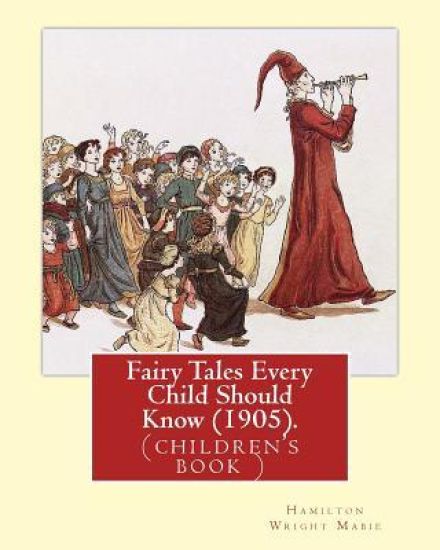
Kirjat ja teokset yhdessä paikassa: 225 kirjaa, julkaisuja vuosilta 2003–2026, suosituimpiin kuuluu Fairy Tales Every Child Should Know (1905). Edited By: Hamilton Wright Mabie: a selection of the best fairy tales of all time and of all authors. Vertaile teosten hintoja ja tarkista saatavuus suomalaisista kirjakaupoista.
The fairy tale is a poetic recording of the facts of life, an interpretation by the imagination of its hard conditions, an effort to reconcile the spirit which loves freedom and goodness and beauty with its harsh, bare and disappointing conditions. It is, in its earliest form, a spontaneous and instinctive endeavor to shape the facts of the world to meet the needs of the imagination, the cravings of the heart. Classics included in this volume include: One Eye, Two Eyes, Three Eyes, The Magic Mirror, The Enchanted Stag, Hansel and Grethel, The Story of Aladdin, This Story of Ali Baba, The Second Voyage of Sinbad the Sailor, The White Cat, The Golden Goose, The Twelve Brothers, The Fair One With the Golden Locks, Tom Thumb, Blue Beard, Cinderella, Puss In Boots, The Sleeping Beauty In the Wood, Jack and The Bean-Stalk..... Hamilton Wright Mabie, (December 13, 1846 - December 31, 1916) was an American essayist, editor, critic, and lecturer. He was born at Cold Spring, N. Y. in 1846. Mabie was the youngest child of Sarah Colwell Mabie who was from a wealthy Scottish-English family and Levi Jeremiah Mabie, whose ancestors were Scots-Dutch. They were early immigrants to New Amsterdam, New Netherland about 1647. Due to business opportunities with the opening of the Erie Canal his family moved to Buffalo, New York when he was approaching school age. At the young age of 16 he passed his college entrance examination, but waited a year before he attended Williams College (1867) and the Columbia Law School (1869). While at Williams, Mabie was a member of Alpha Delta Phi fraternity and would serve as the first president of the North-American Interfraternity Conference (formally known as the National Interfraternity Conference. He received honorary degrees from his own alma mater, from Union College, and from Western Reserve and Washington and Lee universities. Although he passed his bar exams in 1869 he hated both the study and practice of law. In 1876 he married Jeanette Trivett. In the summer of 1879 he was hired to work at the weekly magazine, Christian Union (renamed The Outlook in 1893), an association that lasted until his death. In 1884, Mabie was promoted to associate editor of the Christian Union and then elected to the Author's Club, whose members included such men of established reputation as George Cary Eggleston, Richard Watson Gilder, Brander Matthews, and Edmund Clarence Stedman.n 1890, a small collection of Mabie's essays which reflected upon life, literature and nature were published as a volume entitled My Study Fire". Many of Mabie's books are available at Project Gutenberg. Mabie was a resident of Summit, New Jersey.
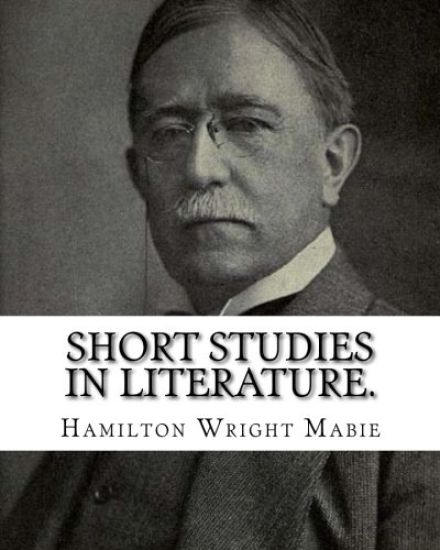
Hamilton Wright Mabie (December 13, 1846 - December 31, 1916) was an American essayist, editor, critic, and lecturer. *Biography* He was born at Cold Spring, N. Y. in 1846. Mabie was the youngest child of Sarah Colwell Mabie who was from a wealthy Scottish-English family and Levi Jeremiah Mabie, whose ancestors were Scots-Dutch. They were early immigrants to New Amsterdam, New Netherland about 1647. Due to business opportunities with the opening of the Erie Canal his family moved to Buffalo, New York when he was approaching school age. At the young age of 16 he passed his college entrance examination, but waited a year before he attended Williams College (1867) and the Columbia Law School (1869). While at Williams, Mabie was a member of Alpha Delta Phi fraternity and would serve as the first president of the North-American Interfraternity Conference (formally known as the National Interfraternity Conference He received honorary degrees from his own alma mater, from Union College, and from Western Reserve and Washington and Lee universities. Although he passed his bar exams in 1869 he hated both the study and practice of law. In 1876 he married Jeanette Trivett. In the summer of 1879 he was hired to work at the weekly magazine, Christian Union (renamed The Outlook in 1893), an association that lasted until his death. In 1884, Mabie was promoted to associate editor of the Christian Union and then elected to the Author's Club, whose members included such men of established reputation as George Cary Eggleston, Richard Watson Gilder, Brander Matthews, and Edmund Clarence Stedman. In 1890, a small collection of Mabie's essays which reflected upon life, literature and nature were published as a volume entitled My Study Fire". Many of Mabie's books are available at Project Gutenberg. Mabie was a resident of Summit, New Jersey.
Hamilton Wright Mabie, (December 13, 1846 - December 31, 1916) was an American essayist, editor, critic, and lecturer. He was born at Cold Spring, N. Y. in 1846. Mabie was the youngest child of Sarah Colwell Mabie who was from a wealthy Scottish-English family and Levi Jeremiah Mabie, whose ancestors were Scots-Dutch. They were early immigrants to New Amsterdam, New Netherland about 1647. Due to business opportunities with the opening of the Erie Canal his family moved to Buffalo, New York when he was approaching school age. At the young age of 16 he passed his college entrance examination, but waited a year before he attended Williams College (1867) and the Columbia Law School (1869). While at Williams, Mabie was a member of Alpha Delta Phi fraternity and would serve as the first president of the North-American Interfraternity Conference (formally known as the National Interfraternity Conference He received honorary degrees from his own alma mater, from Union College, and from Western Reserve and Washington and Lee universities. Although he passed his bar exams in 1869 he hated both the study and practice of law. In 1876 he married Jeanette Trivett. In the summer of 1879 he was hired to work at the weekly magazine, Christian Union (renamed The Outlook in 1893), an association that lasted until his death. In 1884, Mabie was promoted to associate editor of the Christian Union and then elected to the Author's Club, whose members included such men of established reputation as George Cary Eggleston, Richard Watson Gilder, Brander Matthews, and Edmund Clarence Stedman. In 1890, a small collection of Mabie's essays which reflected upon life, literature and nature were published as a volume entitled My Study Fire"
The fairy tale is a poetic recording of the facts of life, an interpretation by the imagination of its hard conditions, an effort to reconcile the spirit which loves freedom and goodness and beauty with its harsh, bare and disappointing conditions. It is, in its earliest form, a spontaneous and instinctive endeavor to shape the facts of the world to meet the needs of the imagination, the cravings of the heart. Classics included in this volume include: One Eye, Two Eyes, Three Eyes, The Magic Mirror, The Enchanted Stag, Hansel and Grethel, The Story of Aladdin, This Story of Ali Baba, The Second Voyage of Sinbad the Sailor, The White Cat, The Golden Goose, The Twelve Brothers, The Fair One With the Golden Locks, Tom Thumb, Blue Beard, Cinderella, Puss In Boots, The Sleeping Beauty In the Wood, Jack and The Bean-Stalk . Hamilton Wright Mabie, (December 13, 1846 - December 31, 1916) was an American essayist, editor, critic, and lecturer. He was born at Cold Spring, N. Y. in 1846. Mabie was the youngest child of Sarah Colwell Mabie who was from a wealthy Scottish-English family and Levi Jeremiah Mabie, whose ancestors were Scots-Dutch. They were early immigrants to New Amsterdam, New Netherland about 1647. Due to business opportunities with the opening of the Erie Canal his family moved to Buffalo, New York when he was approaching school age. At the young age of 16 he passed his college entrance examination, but waited a year before he attended Williams College (1867) and the Columbia Law School (1869). While at Williams, Mabie was a member of Alpha Delta Phi fraternity and would serve as the first president of the North-American Interfraternity Conference (formally known as the National Interfraternity Conference He received honorary degrees from his own alma mater, from Union College, and from Western Reserve and Washington and Lee universities. Although he passed his bar exams in 1869 he hated both the study and practice of law. In 1876 he married Jeanette Trivett. In the summer of 1879 he was hired to work at the weekly magazine, Christian Union (renamed The Outlook in 1893), an association that lasted until his death. In 1884, Mabie was promoted to associate editor of the Christian Union and then elected to the Author's Club, whose members included such men of established reputation as George Cary Eggleston, Richard Watson Gilder, Brander Matthews, and Edmund Clarence Stedman. In 1890, a small collection of Mabie's essays which reflected upon life, literature and nature were published as a volume entitled My Study Fire".
No attempt is made in this book to describe in detail the Japan of to-day as the traveler sees it in its schools, industries, banking, administration, army and navy organization and activity; reports of the changes and developments of the last sixty years may be found in an increasing literature of information. It is a story of such dramatic interest, of such striking contrasts, of such rapid changes of external occupation, methods of work and habits of life, that it has found many recorders. Never before in historic times has the transformation of a civilization been accomplished with such intrepid intelligence or with such efficiency. Japan has changed occupations, tools and methods,
Heroes every child should know is a collection of timeless stories that celebrates courage, virtue, and the enduring power of moral strength. The book gathers tales of legendary heroes from diverse cultures, offering young readers examples of valor, perseverance, and integrity. Through vivid retellings of figures such as Perseus, Hercules, and Daniel, it seeks to awaken admiration for those who confront great challenges with faith and resolve. The narrative emphasizes that heroes are not defined merely by strength but by their ability to act selflessly for the greater good. Each story reflects ideals of honor and resilience, inspiring readers to recognize the value of noble deeds in everyday life. The introduction frames heroism as a universal human pursuit, suggesting that every age and culture finds meaning through its champions. Blending moral reflection with adventure, the book becomes both educational and uplifting, encouraging a lasting appreciation for the virtues that unite humanity across time and place.