Kirjojen hintavertailu – 12 876 650 kirjaa ja 26 kauppaa

Kirjailija

Hannele Klemettilä

Kirjat ja teokset yhdessä paikassa: 8 kirjaa, julkaisuja vuosilta 2006–2026, suosituimpiin kuuluu The Medieval Kitchen. Vertaile teosten hintoja ja tarkista saatavuus suomalaisista kirjakaupoista.

Nimi esiintyy myös muodoissa: Hannele Klemettila

8 kirjaa

Kirjojen julkaisuvuodet: 2006–2026.

The Medieval Kitchen

The Medieval Kitchen

Hannele Klemettilä

REAKTION BOOKS
2026
nidottu
The Medieval Kitchen reveals a world in which food was central to daily life, status and belief. From lavish banquets scented with exotic spices to humble meals of bread, greens and porridge, Hannele Klemettilä paints a vivid picture of how people across Western Europe and Scandinavia prepared, transported and enjoyed food. Richly illustrated and grounded in original sources, the book unveils the surprising sophistication of medieval cooking and dispels long-standing myths about what people ate and why. With more than sixty authentic recipes adapted for the modern kitchen – from hippocras to rose pudding – it offers readers a tangible connection to a bygone era. This is both an inviting culinary guide and a revealing study of how food shaped medieval culture.
Blåbär

Blåbär

Laura Jaakola; Hannele Klemettilä

Svenska litteratursällskapet i Finland
2026
nidottu
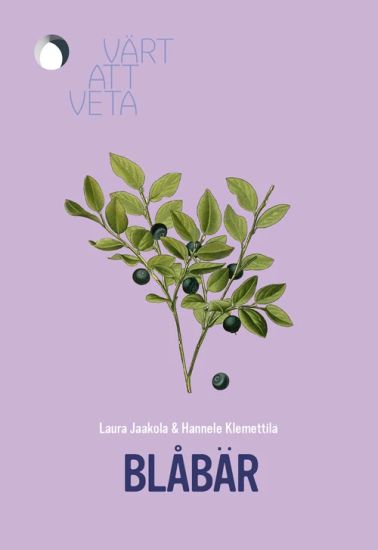
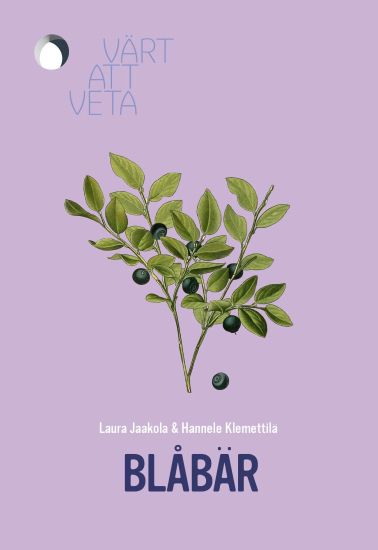
En gåva från gudarna eller en förrädisk frestare? Ett bär som skadar hälsan - eller främjar den? Blåbäret har genom tiderna varit både uppskattat och föraktat. I dag är det upphöjt till ett superbär och ses som en synnerligen mångfasetterad växt, oavsett om man betraktar det med naturvetenskapliga eller humanistiska ögon. I centrum för Laura Jaakolas och Hannele Klemettiläs populärvetenskapliga bok står skogsblåbäret - Vaccinium myrtillus - som växer vilt i Europa och Asien. Tillsammans med lingonet är det i dag Nordens viktigaste vilda bär, både ekonomiskt och ur ekosystemens perspektiv. Boken behandlar blåbärets arter och växtmiljöer samt dess betydelse som föda, medicinalväxt och nyttoväxt genom tiderna. Dessutom fördjupar författarna sig i blåbärets symbolik och föreställningsvärld - i de uppfattningar, trosföreställningar och attityder som präglat olika epoker.
Blåbär

Blåbär

Laura Jaakola; Hannele Klemettilä

Appell Förlag
2026
muu
Ett superbär – Laura Jaakolas och Hannele Klemettilä granskar blåbärets hälsoeffekter, växtmiljöer och symbolvärde. Boken ingår i serien Värt att veta. Ges ut i samarbete med Svenska litteratursällskapet i Finland.
Kalman karamellit ja muita keskiajan murhatapauksia

Kalman karamellit ja muita keskiajan murhatapauksia

Hannele Klemettilä

Docendo
2024
sidottu

Halvin toimitettuna 23,90 €

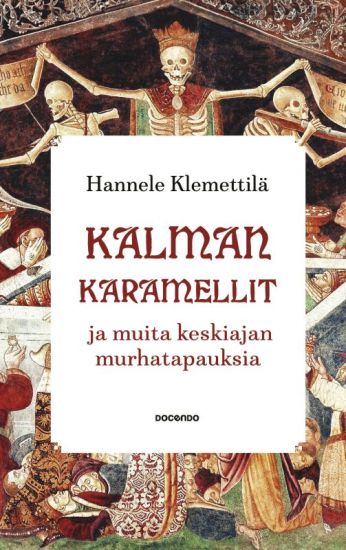
True crimea keskiajalta. Keskiajan Valenciassa mies syöttää sukulaisilleen myrkkymakeisia perinnön toivossa. Toulousessa nainen hankkiutuu rakastajansa avulla eroon aviomiehestään ja kätkee ruumiin kotitalon portaiden alle. Pariisissa huhutaan parturista, jonka asiakkaat päätyvät aineksiksi suositun leipurin lihapiiraisiin. Hannele Klemettilä tarkastelee teoksessaan kiehtovia ja mieleenpainuvia keskiajan murhatapauksia, joihin hän on törmännyt vuosien varrella historiantutkijan työssään. Murhamotiiveina esiintyvät nykypäivän tapaan ahneus, kateus ja mustasukkaisuus, tekotavat vaihtelevat myrkyistä teräaseisiin. Kirjassa kuvataan mukaansatempaavasti murhien suunnittelua ja toteutusta, niiden tutkimisprosessia, oikeudenkäyntejä ja rankaisemista sekä aikalaisten reaktioita. Teoksen värikkäät murhatapaukset sijoittuvat eri puolille Eurooppaa, ja ne avaavat kiehtovia näkymiä menneisyyden ihmisten tapoihin mieltää maailmaa, tulkita oikeaa ja väärää. Hannele Klemettilä on Berkshiren kreivikunnassa Englannissa asuva keskiajan kulttuurihistoriaan erikoistunut tutkija, tietokirjailija ja tiedetoimittaja. Hän on kirjoittanut kiitettyjä tietoteoksia eri aiheista, muun muassa keskiajan pyöveleistä ja 1400-luvulla eläneestä sarjamurhaajamarsalkka Gilles de Raista. Klemettilältä on ilmestynyt julkaisuja sekä Suomessa että ulkomailla, ja hänen tuotantonsa käsittää kirjojen lisäksi muun muassa artikkeleita, kolumneja ja kaksi radiosarjaa. Hänen historialliset tietoteoksensa ovat saaneet ilmestyttyään sekä kriitikkojen kiitoksia että laajan lukijakunnan.
Animals and Hunters in the Late Middle Ages

Animals and Hunters in the Late Middle Ages

Hannele Klemettilä

Routledge
2020
nidottu
This book explores views of the natural world in the late Middle Ages, especially as expressed in Livre de chasse (Book of the Hunt), the most influential hunting book of the era. It shows that killing and maiming, suffering and the death of animals were not insignificant topics to late medieval men, but constituted a complex set of issues, and could provoke very contradictory thoughts and feelings that varied according social and cultural milieus and particular cases and circumstances.
Animals and Hunters in the Late Middle Ages

Animals and Hunters in the Late Middle Ages

Hannele Klemettilä

Routledge
2015
sidottu
This book explores views of the natural world in the late Middle Ages, especially as expressed in Livre de chasse (Book of the Hunt), the most influential hunting book of the era. It shows that killing and maiming, suffering and the death of animals were not insignificant topics to late medieval men, but constituted a complex set of issues, and could provoke very contradictory thoughts and feelings that varied according social and cultural milieus and particular cases and circumstances.
The Medieval Kitchen

The Medieval Kitchen

Hannele Klemettilä

Reaktion Books
2012
sidottu
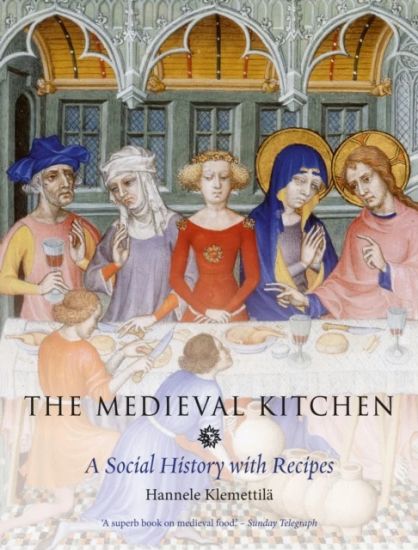
Contrary to what is often believed, good food was valued highly in the Middle Ages – the fragrance of exotic spices filled the air, meat turned on the spit and fish was consumed in abundance for religious reasons. The wealthy made a show of their prosperity by serving peacock or wild boar at banquets, while the poor ate vegetables, porridge and bread. Fresh and preserved fish, meat, fruit and vegetables were transported great distances to grace dining tables across Europe. In The Medieval Kitchen, Hannele Klemettilä presents a richly illustrated history of medieval food and cookery in Western Europe and Scandinavia. The book is also a practicable cookbook, with a collection of more than 60 originally sourced recipes that can easily be prepared in today’s modern home. Hippocras, roasted veal paupiettes with bacon and herbs, and rose pudding tempt with the beguiling flavours of a bygone era. The Medieval Kitchen corrects many common misconceptions about the food of the Middle Ages, and acquaints the reader with the food culture, customs and ideologies associated with eating in medieval times. The text is accompanied by many fine paintings and drawings, which help to evoke the atmosphere in the dining rooms and kitchens of both rich and poor some 600 years ago.
Epitomes of Evil

Epitomes of Evil

Hannele Klemettila

Brepols N.V.
2006
nidottu
Hangmen were familiar characters from urban reality to people living in France and the Burgundian Netherlands in the late Middle Ages. These officers played an essential role in the new penal system. However, general attitudes towards public executioners were highly ambiguous, often hostile and disparaging. In past imagery, various hangman figures, real or fictitious, were closely linked to ideas of otherness, cruelty, sin and evil. They were identified with criminals, marginal people and demons. In the period of the late Middle Ages, the hangman's representations were actively exploited, shaped and modified for various reasons by different social and cultural groups in different products of culture, religious as well as secular. This study casts light on ways of perceiving the executioner in French and Burgundian culture and society from the fourteenth to the early sixteenth century. The primary sources used in this work consist of wide and varied printed and non-printed textual materials such as chronicles, writings by legal experts and theologians, drama and poetry. Significant role is also given to the testimony offered by pictorial art, both sacred and profane, especially miniatures and panel paintings.