Kirjojen hintavertailu – 12 903 725 kirjaa ja 27 kauppaa

Kirjailija

Hans Barnard

Kirjat ja teokset yhdessä paikassa: 3 kirjaa, julkaisuja vuosilta 2008–2023, suosituimpiin kuuluu Wadi Qitna and Kalabsha-South Late Roman: Early Byzantine Tumuli Cemeteries in Egyptian Nubia, Vol. II. Anthropology. Vertaile teosten hintoja ja tarkista saatavuus suomalaisista kirjakaupoista.

3 kirjaa

Kirjojen julkaisuvuodet: 2008–2023.

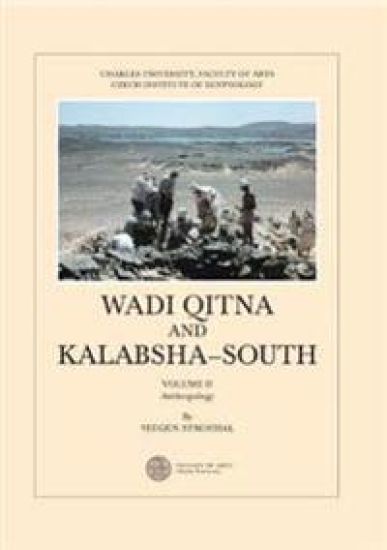
Wadi Qitna and Kalabsha-South Late Roman: Early Byzantine Tumuli Cemeteries in Egyptian Nubia, Vol. II. Anthropology
The present publication follows vol. I from 1984 - results of a comprehensive archaeological investigation of two tumulus cemeteries of Late Roman and Early Byzantine Period explored by the Czechoslovak Institute of Egyptology in the scope of the UNESCO-organized salvage campaign of Nubua by the waters of the High Aswan Dam. This vol. II evaluates the human skeletal remains of 558 individuals from the cemetery at Wadi Qitna and 35 individuals from the cemetery at Kalabsha-South. The volume touches upon the complex of saocial and ethnic processes taking place in the region between Egypt and Nubia.
Archaeological Mapping and Planning

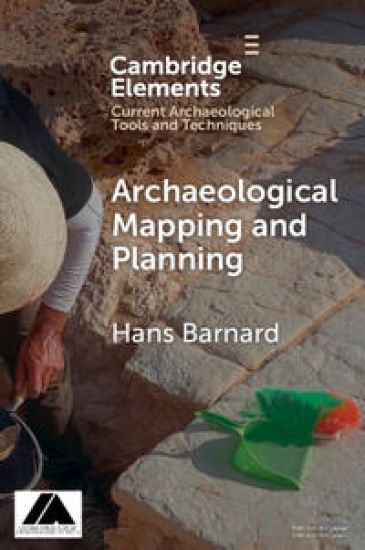
Archaeological Mapping and Planning

Hans Barnard

Cambridge University Press
2023
pokkari
This richly illustrated Element introduces the reader to the basic principles of archaeological mapping and planning. It presents both the mathematical and the practical backgrounds, as well as many tips and tricks. This will enable archaeologists to create acceptable maps and plans of archaeological remains, even with limited means of in adverse circumstances.
Eastern Desert Ware: Traces of the Inhabitants of the Eastern Deserts in Egypt and Sudan During the 4th- 6th Centuries CE
A handmade pottery with incised decoration found in small quantities amongst the wheelmade waresin the Nile Valley between the Fifth and the First Cataract and in the Eastern Desert. Discussses the historical background, the clay, the provenance suggested by the chemical inclusions, use indicated by lipid residues, and the cultural origins of the pots.