
Kirjojen hintavertailu – 12 859 819 kirjaa ja 27 kauppaa

Kirjailija

Hans Schmid-Guisan

Kirjat ja teokset yhdessä paikassa: 2 kirjaa, julkaisuja vuosilta 2012–2015, suosituimpiin kuuluu The Question of Psychological Types. Vertaile teosten hintoja ja tarkista saatavuus suomalaisista kirjakaupoista.

2 kirjaa

Kirjojen julkaisuvuodet: 2012–2015.

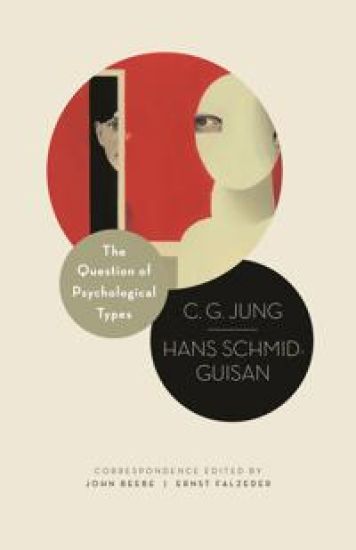
The Question of Psychological Types

The Question of Psychological Types

C. G. Jung; Hans Schmid-Guisan

Princeton University Press
2015
pokkari
In 1915, C. G. Jung and his psychiatrist colleague, Hans Schmid-Guisan, began a correspondence through which they hoped to codify fundamental individual differences of attention and consciousness. Their ambitious dialogue, focused on the opposition of extraversion and introversion, demonstrated the difficulty of reaching a shared awareness of differences even as it introduced concepts that would eventually enable Jung to create his landmark 1921 statement of the theory of psychological types. That theory, the basis of the widely used Myers-Briggs Type Indicator and similar personality assessment tools, continues to inform not only personality psychology but also such diverse fields as marriage and career counseling and human resource management. This correspondence reveals Jung fielding keen theoretical challenges from one of his most sensitive and perceptive colleagues, and provides a useful historical grounding for all those who work with, or are interested in, Jungian psychology and psychological typology.
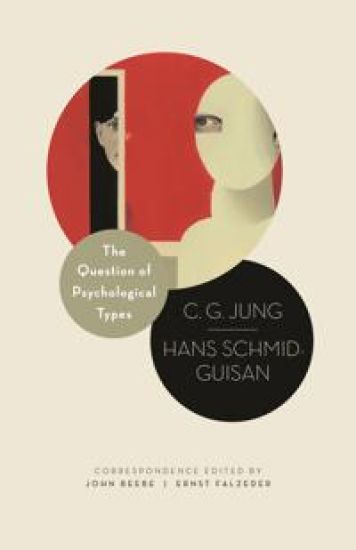
The Question of Psychological Types

The Question of Psychological Types

C. G. Jung; Hans Schmid-Guisan

Princeton University Press
2012
sidottu
In 1915, C. G. Jung and his psychiatrist colleague, Hans Schmid-Guisan, began a correspondence through which they hoped to codify fundamental individual differences of attention and consciousness. Their ambitious dialogue, focused on the opposition of extraversion and introversion, demonstrated the difficulty of reaching a shared awareness of differences even as it introduced concepts that would eventually enable Jung to create his landmark 1921 statement of the theory of psychological types. That theory, the basis of the widely used Myers-Briggs Type Indicator and similar personality assessment tools, continues to inform not only personality psychology but also such diverse fields as marriage and career counseling and human resource management. This correspondence reveals Jung fielding keen theoretical challenges from one of his most sensitive and perceptive colleagues, and provides a useful historical grounding for all those who work with, or are interested in, Jungian psychology and psychological typology.