Kirjojen hintavertailu – 12 859 819 kirjaa ja 27 kauppaa

Kirjailija

Hans Van Eyghen

Kirjat ja teokset yhdessä paikassa: 8 kirjaa, julkaisuja vuosilta 2018–2024, suosituimpiin kuuluu Revising Cognitive and Evolutionary Science of Religion. Vertaile teosten hintoja ja tarkista saatavuus suomalaisista kirjakaupoista.

8 kirjaa

Kirjojen julkaisuvuodet: 2018–2024.

The Epistemology of Spirit Beliefs

The Epistemology of Spirit Beliefs

Hans Van Eyghen

TAYLOR FRANCIS LTD
2024
nidottu
This book assesses whether belief in spirits is epistemically justified. It presents two arguments in support of the existence of spirits and arguments that experiences of various sorts (perceptions, mediumship, possession and animistic experiences) can lend justification to spirit-beliefs. Most work in philosophy of religion exclusively deals with the existence of God or the epistemic status of belief in God. Spirit beliefs are often regarded as aberrations, and the falsity of such beliefs is often assumed. This book argues that various beliefs concerning spirits can be regarded as justified when they are rooted in experiences that are not defeated. It argues that spirit-beliefs are not defeated by recent theories put forth by neuroscientists, cognitive scientists or evolutionary biologists. Additional arguments are made that traditional theistic belief is epistemically linked to spirit beliefs and that unusual events can be explained in terms of spirit-activity. The book draws on theistic arguments, phenomenal conservatism and defenses of religious experiences to argue for the justification of spirit-beliefs. The arguments draw on examples from various religious traditions ranging from Christianity and Islam to Haitian Vodou and Tibetan Bon. The Epistemology of Spirit Beliefs will be of interest to researchers and advanced students working in philosophy of religion, religious epistemology, ethnography and cognitive neuroscience. The Open Access version of this book, available at www.taylorfrancis.com, has been made available under a Creative Commons Attribution-NonCommercial (CC-BY-NC) 4.0 International license.

The Epistemology of Spirit Beliefs

The Epistemology of Spirit Beliefs

Hans Van Eyghen

TAYLOR FRANCIS LTD
2023
sidottu
This book assesses whether belief in spirits is epistemically justified. It presents two arguments in support of the existence of spirits and arguments that experiences of various sorts (perceptions, mediumship, possession and animistic experiences) can lend justification to spirit-beliefs. Most work in philosophy of religion exclusively deals with the existence of God or the epistemic status of belief in God. Spirit beliefs are often regarded as aberrations, and the falsity of such beliefs is often assumed. This book argues that various beliefs concerning spirits can be regarded as justified when they are rooted in experiences that are not defeated. It argues that spirit-beliefs are not defeated by recent theories put forth by neuroscientists, cognitive scientists or evolutionary biologists. Additional arguments are made that traditional theistic belief is epistemically linked to spirit beliefs and that unusual events can be explained in terms of spirit-activity. The book draws on theistic arguments, phenomenal conservatism and defenses of religious experiences to argue for the justification of spirit-beliefs. The arguments draw on examples from various religious traditions ranging from Christianity and Islam to Haitian Vodou and Tibetan Bon. The Epistemology of Spirit Beliefs will be of interest to researchers and advanced students working in philosophy of religion, religious epistemology, ethnography and cognitive neuroscience. The Open Access version of this book, available at www.taylorfrancis.com, has been made available under a Creative Commons Attribution-NonCommercial (CC-BY-NC) 4.0 International license.
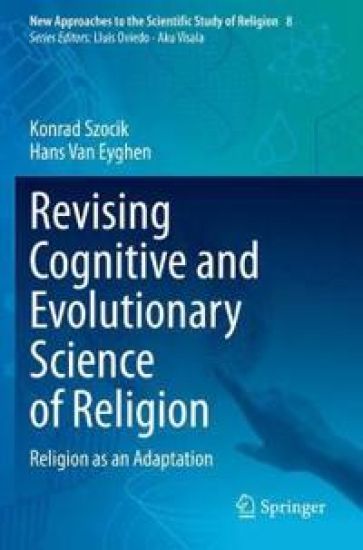
Revising Cognitive and Evolutionary Science of Religion

Revising Cognitive and Evolutionary Science of Religion

Konrad Szocik; Hans Van Eyghen

Springer Nature Switzerland AG
2022
nidottu
This unique and pioneering book critically appraises current work from both the cognitive science of religion and the evolutionary study of religion. It addresses the question: Why does the believer possess supernatural or religious beliefs in the combined context of his cognitive biases, their adaptive usefulness measured in terms of survival and reproduction, and the impact of social learning and cultural traits? The authors outlines a pluralistic approach to the study of religion that does not treat religion as an accidental by-product but an adaptation selected by natural selection. Chapters discuss the role of religious components for the evolution of cooperation and altruism, and explore the development of atheism and secular ideas, in cognitive and evolutionary terms. Topics such as the usefulness of religion, the transmission of religious beliefs, and a Darwinian approach to religion are among those addressed. Contrary to standard views, religious biases are regarded as shaped by cultural influences and not merely by natural dispositions. This monograph will particularly appeal to researchers who are looking for a scientific explanation of religion and religious beliefs but who do not stop at the level of narrow cognitive and evolutionary accounts. The work will also be of interest to students of philosophy, sociology, religious studies, theology, or anthropology who seek to explain such fascinating, complex, and unequivocal phenomena as religion and religious components.
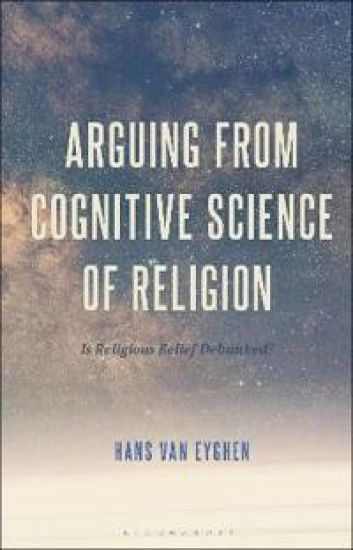
Arguing from Cognitive Science of Religion

Arguing from Cognitive Science of Religion

Hans Van Eyghen

BLOOMSBURY PUBLISHING PLC
2021
nidottu
This book considers whether recent theories from Cognitive Science of Religion (CSR) undermine the epistemic status of religious belief. After introducing the key theories in the growing area of CSR, Hans Van Eyghen explores some of the epistemic questions surrounding CSR, including: Is CSR incompatible with the truth of religious belief? How might CSR show that religious belief is unreliably formed? And, finally, does CSR undermine the justification of religious belief by religious experiences? In addressing these questions, he demonstrates how CSR does not undermine the epistemic bases for religious belief. This book offers a clear and concise overview of the current state of cognitive science of religion and will be of particular interest to scholars working in philosophy and epistemology of religion.
Revising Cognitive and Evolutionary Science of Religion

Revising Cognitive and Evolutionary Science of Religion

Konrad Szocik; Hans Van Eyghen

Springer Nature Switzerland AG
2021
sidottu
This unique and pioneering book critically appraises current work from both the cognitive science of religion and the evolutionary study of religion. It addresses the question: Why does the believer possess supernatural or religious beliefs in the combined context of his cognitive biases, their adaptive usefulness measured in terms of survival and reproduction, and the impact of social learning and cultural traits? The authors outlines a pluralistic approach to the study of religion that does not treat religion as an accidental by-product but an adaptation selected by natural selection. Chapters discuss the role of religious components for the evolution of cooperation and altruism, and explore the development of atheism and secular ideas, in cognitive and evolutionary terms. Topics such as the usefulness of religion, the transmission of religious beliefs, and a Darwinian approach to religion are among those addressed. Contrary to standard views, religious biases are regarded as shaped by cultural influences and not merely by natural dispositions. This monograph will particularly appeal to researchers who are looking for a scientific explanation of religion and religious beliefs but who do not stop at the level of narrow cognitive and evolutionary accounts. The work will also be of interest to students of philosophy, sociology, religious studies, theology, or anthropology who seek to explain such fascinating, complex, and unequivocal phenomena as religion and religious components.
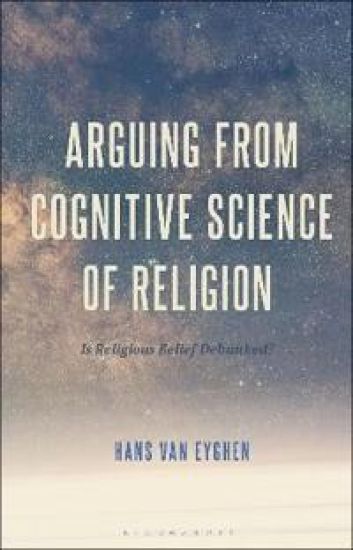
Arguing from Cognitive Science of Religion

Arguing from Cognitive Science of Religion

Hans Van Eyghen

Bloomsbury Academic
2020
sidottu
This book considers whether recent theories from Cognitive Science of Religion (CSR) undermine the epistemic status of religious belief. After introducing the key theories in the growing area of CSR, Hans Van Eyghen explores some of the epistemic questions surrounding CSR, including: Is CSR incompatible with the truth of religious belief? How might CSR show that religious belief is unreliably formed? And, finally, does CSR undermine the justification of religious belief by religious experiences? In addressing these questions, he demonstrates how CSR does not undermine the epistemic bases for religious belief. This book offers a clear and concise overview of the current state of cognitive science of religion and will be of particular interest to scholars working in philosophy and epistemology of religion.
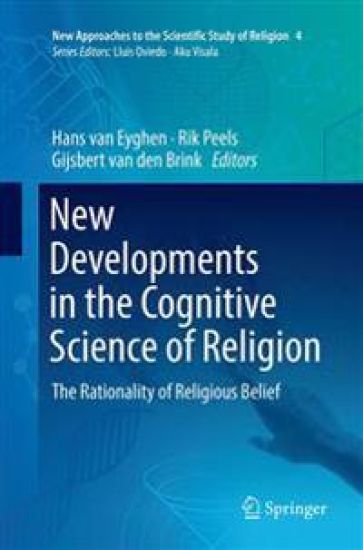
New Developments in the Cognitive Science of Religion

New Developments in the Cognitive Science of Religion

Hans van Eyghen

Springer Nature Switzerland AG
2019
nidottu
It is widely thought that the cognitive science of religion (CSR) may have a bearing on the epistemic status of religious beliefs and on other topics in philosophy of religion. Epistemologists have used theories from CSR to argue both for and against the rationality of religious beliefs, or they have claimed that CSR is neutral vis-à-vis the epistemic status of religious belief. However, since CSR is a rapidly evolving discipline, a great deal of earlier research on the topic has become dated. Furthermore, most of the debate on the epistemic consequences of CSR has not taken into account insights from the philosophy of science, such as explanatory pluralism and explanatory levels. This volume overcomes these deficiencies. This volume brings together new philosophical reflection on CSR. It examines the influence of CSR theories on the epistemic status of religious beliefs; it discusses its impact on philosophy of religion; and it offers new insights for CSR. The book addresses the question of whether or not the plurality of theories in CSR makes epistemic conclusions about religious belief unwarranted. It also explores the impact of CSR on other topics in philosophy of religion like the cognitive consequences of sin and naturalism. Finally, the book investigates what the main theories in CSR aim to explain, and addresses the strengths and weaknesses of CSR.
New Developments in the Cognitive Science of Religion

New Developments in the Cognitive Science of Religion

Hans van Eyghen

Springer International Publishing AG
2018
sidottu
It is widely thought that the cognitive science of religion (CSR) may have a bearing on the epistemic status of religious beliefs and on other topics in philosophy of religion. Epistemologists have used theories from CSR to argue both for and against the rationality of religious beliefs, or they have claimed that CSR is neutral vis-à-vis the epistemic status of religious belief. However, since CSR is a rapidly evolving discipline, a great deal of earlier research on the topic has become dated. Furthermore, most of the debate on the epistemic consequences of CSR has not taken into account insights from the philosophy of science, such as explanatory pluralism and explanatory levels. This volume overcomes these deficiencies. This volume brings together new philosophical reflection on CSR. It examines the influence of CSR theories on the epistemic status of religious beliefs; it discusses its impact on philosophy of religion; and it offers new insights for CSR. The book addresses the question of whether or not the plurality of theories in CSR makes epistemic conclusions about religious belief unwarranted. It also explores the impact of CSR on other topics in philosophy of religion like the cognitive consequences of sin and naturalism. Finally, the book investigates what the main theories in CSR aim to explain, and addresses the strengths and weaknesses of CSR.