Kirjojen hintavertailu – 12 859 827 kirjaa ja 27 kauppaa

Kirjailija

Harold Bayley

Kirjat ja teokset yhdessä paikassa: 27 kirjaa, julkaisuja vuosilta 1912–2024, suosituimpiin kuuluu Pung Chow The Game of a Hundred Intelligences. Also known as Mah-Diao, Mah-Jong, Mah-Cheuk, Mah-Juck and Pe-Ling (Edition1). Vertaile teosten hintoja ja tarkista saatavuus suomalaisista kirjakaupoista.

27 kirjaa

Kirjojen julkaisuvuodet: 1912–2024.

The Lost Language of Symbolism

The Lost Language of Symbolism

Harold Bayley

Pantianos Classics
1912
pokkari
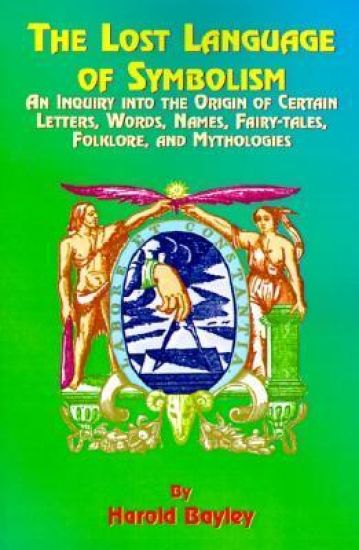
With hundreds of accompanying illustrations, Harold Bayley investigates symbols and imagery of old fairy tales, myths and ancient religions. Bayley's enquiries are varied and eclectic, with topics ranging from the life of the ancient king Solomon, to the popular fairy story Cinderella, to the works of Renaissance scholar Comenius. The ancient pantheons of Greek and Roman Gods, and various mythologies dating to antiquity, also appear. The author consistently annotates his text with contemporary and historical sources, so that the interested reader may understand how deep a role symbolism carries. The author's precision lends a scholarly value to his work: each topic is covered with exactitude, examples listed, drawings referred to, and additional detail appended as necessary. This method is repeated many times, yet Bayley's writing style and appreciation for his subjects never makes the process feel mechanical or stilted. Rather, it is with fascination that symbols in old literature are revealed, their effect still present in the modern day. Whether taken as a standalone work, or as a reference for further investigations, The Lost Language of Symbolism is a worthwhile read.

The Lost Language of Symbolism

The Lost Language of Symbolism

Harold Bayley

Pantianos Classics
1912
sidottu
With hundreds of accompanying illustrations, Harold Bayley investigates symbols and imagery of old fairy tales, myths and ancient religions. Bayley's enquiries are varied and eclectic, with topics ranging from the life of the ancient king Solomon, to the popular fairy story Cinderella, to the works of Renaissance scholar Comenius. The ancient pantheons of Greek and Roman Gods, and various mythologies dating to antiquity, also appear. The author consistently annotates his text with contemporary and historical sources, so that the interested reader may understand how deep a role symbolism carries. The author's precision lends a scholarly value to his work: each topic is covered with exactitude, examples listed, drawings referred to, and additional detail appended as necessary. This method is repeated many times, yet Bayley's writing style and appreciation for his subjects never makes the process feel mechanical or stilted. Rather, it is with fascination that symbols in old literature are revealed, their effect still present in the modern day. Whether taken as a standalone work, or as a reference for further investigations, The Lost Language of Symbolism is a worthwhile read.