Kirjojen hintavertailu – 12 903 724 kirjaa ja 27 kauppaa

Kirjailija

Harold G Koenig

Kirjat ja teokset yhdessä paikassa: 87 kirjaa, julkaisuja vuosilta 1994–2026, suosituimpiin kuuluu Human Flourishing. Vertaile teosten hintoja ja tarkista saatavuus suomalaisista kirjakaupoista.

Nimi esiintyy myös muodoissa: Harold G. Koenig

87 kirjaa

Kirjojen julkaisuvuodet: 1994–2026.

Broken Bodies, Healing Hearts

Broken Bodies, Healing Hearts

Gretchen Tenbrook; Harold G Koenig

Routledge Member of the Taylor and Francis Group
2000
sidottu
Witness the wonder of divine power when faith in God overcomes human frailty! Broken Bodies, Healing Hearts: Reflections of a Hospital Chaplain provides chaplains, doctors, nurses, psychologists, and counselors with insight into the experiences of individual hospital patients. You'll learn of the suffering that they endure, and what patients and caretakers can learn about themselves and God through their ordeals. This is a wonderful collection of descriptive, personal, and heartfelt essays, each derived from a visit with a particular patient. These episodes demonstrate the wonder of divine strength manifested in human frailty. You'll see the spiritual aspects of both significant and common events, inspiring you to contemplate and appreciate all of your life experiences. Broken Bodies, Healing Hearts will help you unravel daily questions and problems and encourage you to seek God's eminent presence in all of your experiences. This intriguing collection demonstrates what it means to be human and what it means to be made in God's likeness. You will explore the heartwrenching struggles of unique individuals, such as:Jimmy Meyer, a three-year-old toddler with a terminal brain tumor, who takes each day for whatever it could offer him. His simple trust teaches us all to grow in our faith and seek the child within ourselves Mr. Nelson, who after suffering a heart attack and facing the possibility of death, recounts how the experience served to turn his life from one of anger and resentment to one of peace and freedom, reminding us all of the healing power of grace when we are willing to receive it Martha Claxton, a fifty-eight-year-old woman battling leukemia. In finally letting go she experiences God's eternal security, inviting each of us to surrender our lives to the One who knows our every need Ms. May, a thirty-eight-year-old with Down's Syndrome, who touches all those whom she comes in contact with. Her ability to live fully in the present moment reminds us that whatever is happening now is worth our undivided attentionEnlightening and moving, Broken Bodies, Healing Hearts reveals the presence of God in the lives of patients, chaplains, and all those who care for others. You will discover the connection between human vulnerability and spiritual growth.
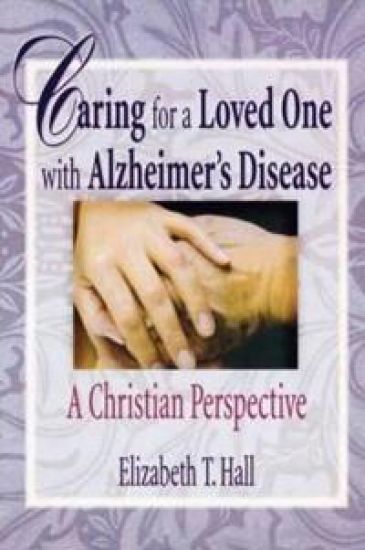
Caring for a Loved One with Alzheimer's Disease

Caring for a Loved One with Alzheimer's Disease

Elizabeth T Hall; Harold G Koenig

Routledge Member of the Taylor and Francis Group
2000
sidottu
Clarify your thinking on an issue that can tear families apart! Caring for a Loved One with Alzheimer’s Disease: A Christian Perspective is the touching story of a woman’s daily struggles as a caregiver to her mother who suffers from Alzheimer’s disease. You’ll learn how God’s presence in her life has helped her. You will also find practical day-to-day tips for living with a loved one suffering from senile dementia and how your spirituality can make the journey easier for both of you. This important guide provides an honest description of the emotions you may be forced to come to terms with while dealing with a loved one or parishioner with Alzheimer’s disease and how God’s presence in your life can help lift that burden. Caring for a Loved One with Alzheimer’s Disease gives you firsthand accounts of the stages of pain, despair, acceptance, and victory that you may experience while caring for someone with Alzheimer’s to let you know that what you are feeling is normal and that God will help you overcome these challenges. Alzheimer’s disease often goes undetected until its later stages. This informative book renders a clear description of the disease, alerting you to the known warning signs of dementia, and preparing you for the possibility of such a diagnosis. Caring for a Loved One with Alzheimer’s Disease is filled with tips and suggestions to make caring for your loved one easier for both of you, such as:learning to separate the person from the disease researching the disease and keeping informed about every aspect of this progressive and irreversible neurological disorder realizing that you need emotional support and should seek help from your pastor, church care group, or best friend discovering how having power of attorney and creating a living will can prevent many problems in the future understanding that to care for your loved one at home is challenging and that taking simple steps, such as “baby-proofing” your house, will prevent traumatic disasters turning your anger and guilt to positive energy and avoiding emotional drain and strainThis unique book offers you solace amidst the turbulence of caring for someone stricken with this difficult condition. Caring for a Loved One with Alzheimer’s Disease provides an open and honest description of how faith can comfort and support you and your family while you care for someone with dementia.
Broken Bodies, Healing Hearts

Broken Bodies, Healing Hearts

Gretchen Tenbrook; Harold G Koenig

Routledge Member of the Taylor and Francis Group
2000
nidottu
Witness the wonder of divine power when faith in God overcomes human frailty! Broken Bodies, Healing Hearts: Reflections of a Hospital Chaplain provides chaplains, doctors, nurses, psychologists, and counselors with insight into the experiences of individual hospital patients. You'll learn of the suffering that they endure, and what patients and caretakers can learn about themselves and God through their ordeals. This is a wonderful collection of descriptive, personal, and heartfelt essays, each derived from a visit with a particular patient. These episodes demonstrate the wonder of divine strength manifested in human frailty. You'll see the spiritual aspects of both significant and common events, inspiring you to contemplate and appreciate all of your life experiences. Broken Bodies, Healing Hearts will help you unravel daily questions and problems and encourage you to seek God's eminent presence in all of your experiences. This intriguing collection demonstrates what it means to be human and what it means to be made in God's likeness. You will explore the heartwrenching struggles of unique individuals, such as:Jimmy Meyer, a three-year-old toddler with a terminal brain tumor, who takes each day for whatever it could offer him. His simple trust teaches us all to grow in our faith and seek the child within ourselves Mr. Nelson, who after suffering a heart attack and facing the possibility of death, recounts how the experience served to turn his life from one of anger and resentment to one of peace and freedom, reminding us all of the healing power of grace when we are willing to receive it Martha Claxton, a fifty-eight-year-old woman battling leukemia. In finally letting go she experiences God's eternal security, inviting each of us to surrender our lives to the One who knows our every need Ms. May, a thirty-eight-year-old with Down's Syndrome, who touches all those whom she comes in contact with. Her ability to live fully in the present moment reminds us that whatever is happening now is worth our undivided attentionEnlightening and moving, Broken Bodies, Healing Hearts reveals the presence of God in the lives of patients, chaplains, and all those who care for others. You will discover the connection between human vulnerability and spiritual growth.
Caring for a Loved One with Alzheimer's Disease

Caring for a Loved One with Alzheimer's Disease

Elizabeth T Hall; Harold G Koenig

Routledge Member of the Taylor and Francis Group
2000
nidottu
Clarify your thinking on an issue that can tear families apart! Caring for a Loved One with Alzheimer’s Disease: A Christian Perspective is the touching story of a woman’s daily struggles as a caregiver to her mother who suffers from Alzheimer’s disease. You’ll learn how God’s presence in her life has helped her. You will also find practical day-to-day tips for living with a loved one suffering from senile dementia and how your spirituality can make the journey easier for both of you. This important guide provides an honest description of the emotions you may be forced to come to terms with while dealing with a loved one or parishioner with Alzheimer’s disease and how God’s presence in your life can help lift that burden. Caring for a Loved One with Alzheimer’s Disease gives you firsthand accounts of the stages of pain, despair, acceptance, and victory that you may experience while caring for someone with Alzheimer’s to let you know that what you are feeling is normal and that God will help you overcome these challenges. Alzheimer’s disease often goes undetected until its later stages. This informative book renders a clear description of the disease, alerting you to the known warning signs of dementia, and preparing you for the possibility of such a diagnosis. Caring for a Loved One with Alzheimer’s Disease is filled with tips and suggestions to make caring for your loved one easier for both of you, such as:learning to separate the person from the disease researching the disease and keeping informed about every aspect of this progressive and irreversible neurological disorder realizing that you need emotional support and should seek help from your pastor, church care group, or best friend discovering how having power of attorney and creating a living will can prevent many problems in the future understanding that to care for your loved one at home is challenging and that taking simple steps, such as “baby-proofing” your house, will prevent traumatic disasters turning your anger and guilt to positive energy and avoiding emotional drain and strainThis unique book offers you solace amidst the turbulence of caring for someone stricken with this difficult condition. Caring for a Loved One with Alzheimer’s Disease provides an open and honest description of how faith can comfort and support you and your family while you care for someone with dementia.
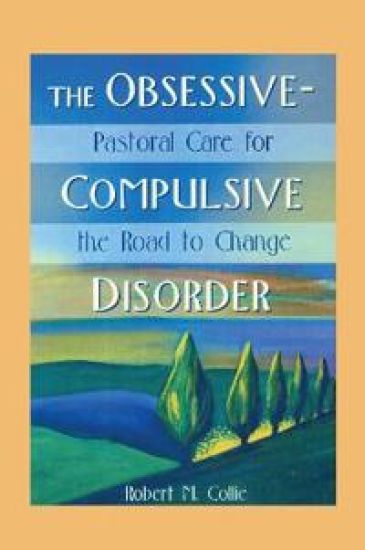
The Obsessive-Compulsive Disorder

The Obsessive-Compulsive Disorder

Robert Collie; Harold G Koenig

Routledge Member of the Taylor and Francis Group
2000
sidottu
Gain scientific and theological insight into OCD! The Obsessive-Compulsive Disorder: Pastoral Care for the Road to Change delivers a provocative and stimulating discussion that is meant to inspire new areas of inquiry on this subject. As an OCD sufferer, pastoral counselor, mental health student, or professional, you will reach a new understanding of a complex condition that can destroy the day-to-day lives of its victims. The Obsessive-Compulsive Disorder explores the connection between religion and OCD from many different perspectives. You will explore case studies of OCD with religious connections through interviews, diagnosed symptoms, and discussion of the history of religious figures who suffered with OCD. The book also provides a reference list of organizations that focus on OCD, as well as Web sites and Internet addresses devoted to assisting caretakers and helping sufferers. The Obsessive-Compulsive Disorder will increase your knowledge of:the evolution of humans and animals in relation to personality development and the obsessive-compulsive disorder church leaders with the obsessive-compulsive disorder brain development and biology and their links to the obsessive-compulsive disorder quality of life issues for sufferers, pastors, and caregivers group therapy for OCD sufferers, including personal stories of OCD in connection with faith and religion neurobiological perspectives on theological issuesThe Obsessive-Compulsive Disorder brings you insightful new research into this complex mental illness, and will assist you in understanding and helping people who suffer from OCD.
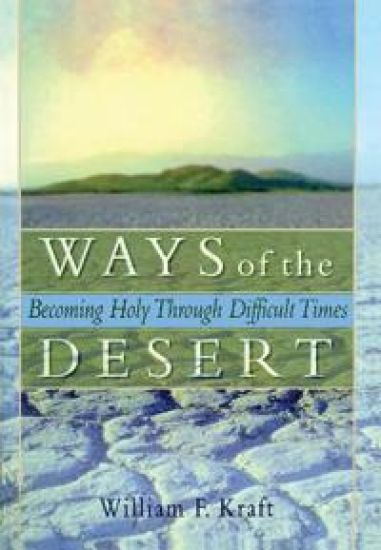
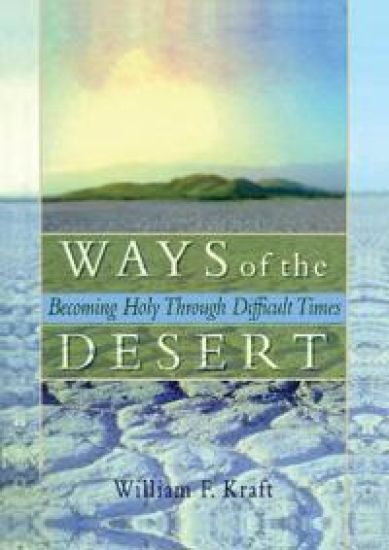
Ways of the Desert

Ways of the Desert

Harold G Koenig; William F Kraft

Routledge Member of the Taylor and Francis Group
2000
sidottu
Discover how negative experiences such as loneliness, depression, and anxiety can be opportunities for personal growth! Ways of the Desert: Becoming Holy Through Difficult Times analyzes the similarities and differences between spiritual and psychological experiences. This book shows religious professionals and others interested in spiritual development how suffering can foster growth. You will explore the so-called “negative” desert experiences--depression, anxiety, loneliness, guilt, and anger--and learn how they can be opportunities for spiritual growth. This book explains why opposites are necessary and related parts of healthy and holy development, and that, especially in a spiritual life, the positive and negative are related. Ways of the Desert will take you on a journey through the “deserts” and “promised lands” of adolescence, adulthood, and the elderly years. In most Western cultures the acceptance of opposites as a necessary and related part of healthy and holy growth is not common, and its rejection can engender spiritual stagnation. Ways of the Desert offers suggestions on creating lifelong spirituality including:understanding the need for both “clock” time for functional order and “sacred” time to redeem us from the boredom of our daily challenges understanding the languages of the desert, or the messages that are primarily nonverbal, ambiguous, or ambivalent using effective communication when expressing feelings such as shame, frustration, anger, or anguish examining the similarities and differences between psychological and spiritual activity comparing psychological twelve-step help programs to spiritual growth journeysThis extraordinary book works to help you make sense of your life when you feel lost, trapped, depressed, or lonely. You will attain spiritual guidance to assist you on your journey through life and help you understand that the deserts of negative experiences that we sometimes wander into can be illuminating opportunities for spiritual progress. Ways of the Desert will guide you through difficult and challenging times and help you achieve spiritual satisfaction and happiness in life.
The Obsessive-Compulsive Disorder

The Obsessive-Compulsive Disorder

Robert Collie; Harold G Koenig

Routledge Member of the Taylor and Francis Group
2000
nidottu
Gain scientific and theological insight into OCD! The Obsessive-Compulsive Disorder: Pastoral Care for the Road to Change delivers a provocative and stimulating discussion that is meant to inspire new areas of inquiry on this subject. As an OCD sufferer, pastoral counselor, mental health student, or professional, you will reach a new understanding of a complex condition that can destroy the day-to-day lives of its victims. The Obsessive-Compulsive Disorder explores the connection between religion and OCD from many different perspectives. You will explore case studies of OCD with religious connections through interviews, diagnosed symptoms, and discussion of the history of religious figures who suffered with OCD. The book also provides a reference list of organizations that focus on OCD, as well as Web sites and Internet addresses devoted to assisting caretakers and helping sufferers. The Obsessive-Compulsive Disorder will increase your knowledge of:the evolution of humans and animals in relation to personality development and the obsessive-compulsive disorder church leaders with the obsessive-compulsive disorder brain development and biology and their links to the obsessive-compulsive disorder quality of life issues for sufferers, pastors, and caregivers group therapy for OCD sufferers, including personal stories of OCD in connection with faith and religion neurobiological perspectives on theological issuesThe Obsessive-Compulsive Disorder brings you insightful new research into this complex mental illness, and will assist you in understanding and helping people who suffer from OCD.
Ways of the Desert

Ways of the Desert

Harold G Koenig; William F Kraft

Routledge Member of the Taylor and Francis Group
2000
nidottu
Discover how negative experiences such as loneliness, depression, and anxiety can be opportunities for personal growth! Ways of the Desert: Becoming Holy Through Difficult Times analyzes the similarities and differences between spiritual and psychological experiences. This book shows religious professionals and others interested in spiritual development how suffering can foster growth. You will explore the so-called “negative” desert experiences--depression, anxiety, loneliness, guilt, and anger--and learn how they can be opportunities for spiritual growth. This book explains why opposites are necessary and related parts of healthy and holy development, and that, especially in a spiritual life, the positive and negative are related. Ways of the Desert will take you on a journey through the “deserts” and “promised lands” of adolescence, adulthood, and the elderly years. In most Western cultures the acceptance of opposites as a necessary and related part of healthy and holy growth is not common, and its rejection can engender spiritual stagnation. Ways of the Desert offers suggestions on creating lifelong spirituality including:understanding the need for both “clock” time for functional order and “sacred” time to redeem us from the boredom of our daily challenges understanding the languages of the desert, or the messages that are primarily nonverbal, ambiguous, or ambivalent using effective communication when expressing feelings such as shame, frustration, anger, or anguish examining the similarities and differences between psychological and spiritual activity comparing psychological twelve-step help programs to spiritual growth journeysThis extraordinary book works to help you make sense of your life when you feel lost, trapped, depressed, or lonely. You will attain spiritual guidance to assist you on your journey through life and help you understand that the deserts of negative experiences that we sometimes wander into can be illuminating opportunities for spiritual progress. Ways of the Desert will guide you through difficult and challenging times and help you achieve spiritual satisfaction and happiness in life.
The Pastoral Care of Children

The Pastoral Care of Children

Harold G Koenig; Daniel H Grossoehme

Routledge Member of the Taylor and Francis Group
1999
sidottu
Explore a new way of pastoral care that enables caregivers to develop relationships and provide meaningful pastoral care to the children and youth they encounter! The Pastoral Care of Children focuses on the need for pastoral caregivers, clergy and chaplains to develop relationships with youths and gives you suggestions to overcome the anxiety associated with caring for an acutely ill child through unique, playful, and child-centered approaches. Many pastoral caregivers have high anxiety when children are ill or hurt, are unsure how to have a substantive conversation with a nine-year old, or their fears of what could be said keep them from hearing what children have to say. The effective approaches in The Pastoral Care of Children are illustrated to assist you with serving the spiritual needs of children. You will explore actual pastoral care experiences that will help you gain confidence in handling situations such as a teenager’s desire to be baptized out of fear of death when neither he nor his parents believe in Christ. Intelligent and heartfelt, this valuable book gives you a complete theological exploration of ministering to children who may ask you “Why me?”, “Why do people have to die?” and “What happens to children if they die before they are baptized?” The Pastoral Care of Children helps you answer these questions with meaningful responses that are genuine and grounded with yourself, and reflect the parents’beliefs. Some of the help you will discover in The Pastoral Care of Children includes:understanding the similarities and differences of caring for children in comparison to adults, such as different vocabularies but similar emotions, and realizing that children are very perceptive using play as a tool, for example referring to a puppet’s experience in reference to the child to eliminate the child’s self-consciousness and help him or her open up confronting pastoral issues in acute care settings, such as fear, guilty feelings, and anger, from parents, family and the child helping children recover from mental health issues such as depression, eating disorders, and identity and self-esteem issues by using cognitive therapy conducting prayer and rituals with children such as baptism, naming ceremonies, anointings, and funerals to assist the child and family through this spiritual rite of passage Complete with child and family focused approaches for dealing with the questions surrounding death, The Pastoral Care of Children also provides you with several cited scriptures, and a list of questions you may be asked by a child who is facing death. You will learn from actual circumstances pastoral caregivers have encountered and discover how to approach topics, and answer questions on God and death. The Pastoral Care of Children, an extremely resourceful book that will assist you in overcoming anxiety and help you deliver thoughtful and uplifting pastoral care to children and youth.
The Pastoral Care of Children

The Pastoral Care of Children

Harold G Koenig; Daniel H Grossoehme

Routledge Member of the Taylor and Francis Group
1999
nidottu
Explore a new way of pastoral care that enables caregivers to develop relationships and provide meaningful pastoral care to the children and youth they encounter! The Pastoral Care of Children focuses on the need for pastoral caregivers, clergy and chaplains to develop relationships with youths and gives you suggestions to overcome the anxiety associated with caring for an acutely ill child through unique, playful, and child-centered approaches. Many pastoral caregivers have high anxiety when children are ill or hurt, are unsure how to have a substantive conversation with a nine-year old, or their fears of what could be said keep them from hearing what children have to say. The effective approaches in The Pastoral Care of Children are illustrated to assist you with serving the spiritual needs of children. You will explore actual pastoral care experiences that will help you gain confidence in handling situations such as a teenager’s desire to be baptized out of fear of death when neither he nor his parents believe in Christ. Intelligent and heartfelt, this valuable book gives you a complete theological exploration of ministering to children who may ask you “Why me?”, “Why do people have to die?” and “What happens to children if they die before they are baptized?” The Pastoral Care of Children helps you answer these questions with meaningful responses that are genuine and grounded with yourself, and reflect the parents’beliefs. Some of the help you will discover in The Pastoral Care of Children includes:understanding the similarities and differences of caring for children in comparison to adults, such as different vocabularies but similar emotions, and realizing that children are very perceptive using play as a tool, for example referring to a puppet’s experience in reference to the child to eliminate the child’s self-consciousness and help him or her open up confronting pastoral issues in acute care settings, such as fear, guilty feelings, and anger, from parents, family and the child helping children recover from mental health issues such as depression, eating disorders, and identity and self-esteem issues by using cognitive therapy conducting prayer and rituals with children such as baptism, naming ceremonies, anointings, and funerals to assist the child and family through this spiritual rite of passage Complete with child and family focused approaches for dealing with the questions surrounding death, The Pastoral Care of Children also provides you with several cited scriptures, and a list of questions you may be asked by a child who is facing death. You will learn from actual circumstances pastoral caregivers have encountered and discover how to approach topics, and answer questions on God and death. The Pastoral Care of Children, an extremely resourceful book that will assist you in overcoming anxiety and help you deliver thoughtful and uplifting pastoral care to children and youth.
Grief Education for Caregivers of the Elderly

Grief Education for Caregivers of the Elderly

Harold G Koenig; Junietta B Mccall

Routledge Member of the Taylor and Francis Group
1998
sidottu
Through firsthand accounts and research, Grief Education for Caregivers of the Elderly focuses on the education, training, and support of individuals who care for the elderly. This book provides caregivers with methods to cope with grief and loss and will help educators design programs that meet the needs of their consumers: the elderly and their families, friends, and service providers. From Grief Education for Caregivers of the Elderly, you'll learn how to cope with the stress and emotions of caregiving and improve the quality of services to your patients. With an emphasis on caregivers of the institutionalized elderly and the special services provided by clergy, chaplains, and pastoral counselors, Grief Education for Caregivers of the Elderly offers the caregiver or educator several model workshops focusing on grief, loss, and bereavement care. Grief Education for Caregivers of the Elderly contains proven methods and strategies that will sharpen and enhance your caregiving skills, including:focusing on the emotional responses and phases of dying, including denial, anger, and acceptance, to help patients deal with death considering physical and administrative atmosphere and your elderly population when setting goals and designing workshops to provide optimal patient/resident care discussing the themes of grief and loss, stress management, handling change, and promoting self-care for caregivers in workshops and through self-evaluations developing workshops that open with grief history surveys and attitude checklists, discuss normative development and issues of old age, and have themes based on the biological, psychosocial, and spiritual needs of the elderly person providing caregivers with an opportunity to practice what they have learned through case studies, simulated role play, open discussions, and care plan designing thinking about your own mortality and learning about your feelings and ideas of growing oldUtilized at a psychiatric nursing home facility of New Hampshire Hospital, the workshop exercises in Grief Education for Caregivers of the Elderly have allowed caregivers to express personal feelings; talk about beliefs and experiences; learn about biological, psychosocial, and spiritual processes of grief and phases of bereavement; and apply these understandings and insights into typical caregiving situations. Grief Education for the Caregivers of the Elderly gives you the framework for such a program, using vignettes, composite case material, poetry, and a holistic approach to health care to emphasize the importance of your emotional health and enhanced care of the elderly.
Somebody's Knocking at Your Door

Somebody's Knocking at Your Door

Harold G Koenig; Carole B Weatherford; Ronald J Weatherford

Routledge Member of the Taylor and Francis Group
1998
sidottu
Examining the black church’s response to AIDS, Somebody’s Knocking at Your Door: AIDS and the African-American Church analyzes sexual ethics and homophobia in the black church to provide pastors, social workers, and health professionals with intervention strategies for parishioners or members of the community who have AIDS. By discussing the church’s historic and successful activism and its relationship to the community, along with AIDS statistics, relevant theologies, and other AIDS ministries, this book suggests the benefits of increased church involvement versus other agencies or organizations. Somebody’s Knocking at Your Door will help you develop prevention education and pastoral care programs that will alert individuals to the risks of AIDS and will offer people with AIDS the comfort and assistance they need in coping with the disease. Through the voices of leading clergy, AIDS advocates, and people living with AIDS (PLWAs), this book calls on the African-American church to become more involved in helping communities deal with the disease. Somebody’s Knocking at Your Door offers you ideas on how to improve the lives of individuals with AIDS through the church, including:welcoming PLWAs into the church through announcements by local media, church newsletters, and Sunday bulletins offering AIDS support groups at the church or loaning office space, equipment, or clerical assistance to AIDS organizations recognizing the power of intercessory prayer for PLWAs caring for PLWAs by delivering meals to their homes, preparing meals at the church, and developing a transportation network that will take parishioners to doctor appointments, church, or on recreational outings preparing meals, running errands, housekeeping, handling paperwork, negotiating legal issues, and offering friendship-- possible components of volunteer “buddy programs” for homebound PLWAs training pastors, clergy, and Sunday school teachers to educate ministries on AIDS in the African- American community, sexual intimacy, intravenous drug use and needle sharing, monogamy, community resources, and condom useSince some clergy still believe that AIDS is a “gay” disease, Somebody’s Knocking at Your Door discusses the issue of homosexuality within the church. By analyzing passages from the Bible, the authors refute the belief that homosexuals were neglected by God and undeserving of care and love. This belief, according to the authors, inhibits some churches and individuals from discussing HIV/AIDS because of fear they would also be acknowledging homosexuality. Highlighting AIDS ministries throughout the United States, Somebody’s Knocking at Your Door encourages the African-American church to confront the issue of AIDS and understand that the disease can affect anyone. This book will give you the necessary strategies for starting and implementing AIDS ministries and intervention programs that will educate and support your community.
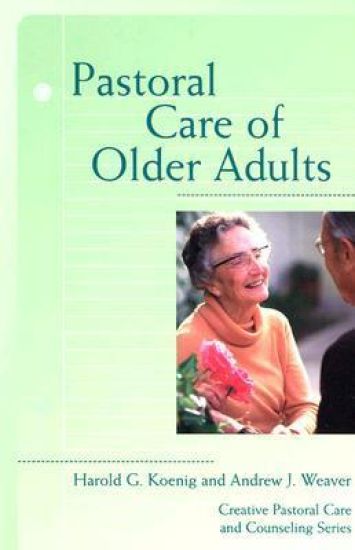
Pastoral Care of Older Adults

Pastoral Care of Older Adults

Harold G. Koenig; Andrew J. Weaver

Augsburg Fortress
1998
nidottu
By the year 2000 more than half of mainline Protestants will be over the age of sixty. Older adults have special needs to which many pastors are not adequately prepared to minister. Pastoral Care of Older Adults addresses such problems, many of which were identified in an extensive survey of clergy. The book provides practical guidance for parish pastors, and other counselors, to deal with such issues as Alzheimer's disease, the chronically ill, relocation, health crises, grief, depression, anxiety, gender differences, poverty, and the issues faced by the children of older adults.
Somebody's Knocking at Your Door

Somebody's Knocking at Your Door

Harold G Koenig; Carole B Weatherford; Ronald J Weatherford

Routledge Member of the Taylor and Francis Group
1998
nidottu
Examining the black church’s response to AIDS, Somebody’s Knocking at Your Door: AIDS and the African-American Church analyzes sexual ethics and homophobia in the black church to provide pastors, social workers, and health professionals with intervention strategies for parishioners or members of the community who have AIDS. By discussing the church’s historic and successful activism and its relationship to the community, along with AIDS statistics, relevant theologies, and other AIDS ministries, this book suggests the benefits of increased church involvement versus other agencies or organizations. Somebody’s Knocking at Your Door will help you develop prevention education and pastoral care programs that will alert individuals to the risks of AIDS and will offer people with AIDS the comfort and assistance they need in coping with the disease. Through the voices of leading clergy, AIDS advocates, and people living with AIDS (PLWAs), this book calls on the African-American church to become more involved in helping communities deal with the disease. Somebody’s Knocking at Your Door offers you ideas on how to improve the lives of individuals with AIDS through the church, including:welcoming PLWAs into the church through announcements by local media, church newsletters, and Sunday bulletins offering AIDS support groups at the church or loaning office space, equipment, or clerical assistance to AIDS organizations recognizing the power of intercessory prayer for PLWAs caring for PLWAs by delivering meals to their homes, preparing meals at the church, and developing a transportation network that will take parishioners to doctor appointments, church, or on recreational outings preparing meals, running errands, housekeeping, handling paperwork, negotiating legal issues, and offering friendship-- possible components of volunteer “buddy programs” for homebound PLWAs training pastors, clergy, and Sunday school teachers to educate ministries on AIDS in the African- American community, sexual intimacy, intravenous drug use and needle sharing, monogamy, community resources, and condom useSince some clergy still believe that AIDS is a “gay” disease, Somebody’s Knocking at Your Door discusses the issue of homosexuality within the church. By analyzing passages from the Bible, the authors refute the belief that homosexuals were neglected by God and undeserving of care and love. This belief, according to the authors, inhibits some churches and individuals from discussing HIV/AIDS because of fear they would also be acknowledging homosexuality. Highlighting AIDS ministries throughout the United States, Somebody’s Knocking at Your Door encourages the African-American church to confront the issue of AIDS and understand that the disease can affect anyone. This book will give you the necessary strategies for starting and implementing AIDS ministries and intervention programs that will educate and support your community.
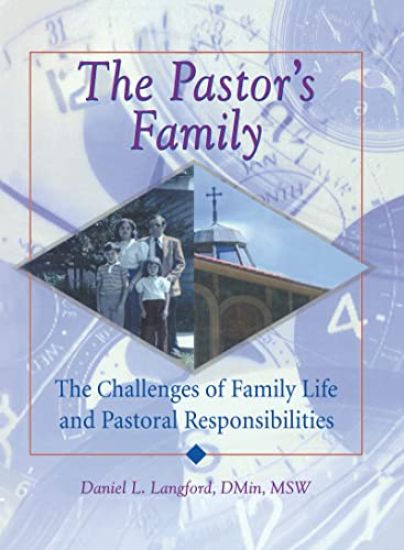
The Pastor's Family

The Pastor's Family

Harold G Koenig; Daniel L Langford

Routledge Member of the Taylor and Francis Group
1998
sidottu
Describing the difficulties of balancing a career and family life, The Pastor’s Family: The Challenges of Family Life and Pastoral Responsibilities is a personal narrative that discusses the all-too-familiar practice of neglecting your family for your job. Pastors will learn the importance of balancing time and attention between their families and religious careers by exploring the problems caused by one pastor’s prolonged absence from home. Containing research and first-hand experiences, The Pastor’s Family calls for a change in ministry policies that will enable pastors to devote as much time to their families as they do to their congregations. Containing stories and anecdotes from the author, his wife, and his two children, this book offers suggestions on how to improve the physical, emotional, and spiritual health of a pastor’s family. The information and insight provided by The Pastor’s Family will also help pastors’wives realize that they are not alone in their demanding roles and will help church policymakers discover the need to improve relations between the congregation and the pastor’s family. With the hope that the universal problems of pastors’families will be revealed, the author shares with you methods that have helped bring him and his family closer together, including:understanding the expectations of the stereotypical “superpastor” and learning how to set boundaries between family life and career realizing that a pastor’s family is subject to the same problems and challenges other families face and helping your family deal with this pressure learning the various definitions of codependency and how this can attribute to the neglect of your family discussing the history of abuse of pastors’families through the Bible and famous religious figures recognizing the discrimination of a pastor’s wife and her sufferings, such as coping with her husband’s various psychological challenges and being expected to always help her husband with his career discovering how conflicts can provoke communication, release emotions, identify and clarify problems, and permit individualization understanding why people feel a loss of power or personal rejection when their requests are not grantedEmphasizing the practice of setting boundaries, The Pastor’s Family examines ways to promote assertiveness through self-talk and self-differentiation that will help you defeat codependent behavior. This will teach you that it is all right to say “no”-- that it is all right to do things for yourself. From The Pastor’s Family, you will learn how to correct the ideology that makes many pastors feel they must honor every parishioner request, despite the effect it will have on his family. Through stories of hardship and personal revelations, this book will help you realize the need for church policy reforms that will allow pastors to be looked upon as humans who have familiesbesides their parishioners.
The Pastor's Family

The Pastor's Family

Harold G Koenig; Daniel L Langford

Routledge Member of the Taylor and Francis Group
1998
nidottu
Describing the difficulties of balancing a career and family life, The Pastor’s Family: The Challenges of Family Life and Pastoral Responsibilities is a personal narrative that discusses the all-too-familiar practice of neglecting your family for your job. Pastors will learn the importance of balancing time and attention between their families and religious careers by exploring the problems caused by one pastor’s prolonged absence from home. Containing research and first-hand experiences, The Pastor’s Family calls for a change in ministry policies that will enable pastors to devote as much time to their families as they do to their congregations. Containing stories and anecdotes from the author, his wife, and his two children, this book offers suggestions on how to improve the physical, emotional, and spiritual health of a pastor’s family. The information and insight provided by The Pastor’s Family will also help pastors’wives realize that they are not alone in their demanding roles and will help church policymakers discover the need to improve relations between the congregation and the pastor’s family. With the hope that the universal problems of pastors’families will be revealed, the author shares with you methods that have helped bring him and his family closer together, including:understanding the expectations of the stereotypical “superpastor” and learning how to set boundaries between family life and career realizing that a pastor’s family is subject to the same problems and challenges other families face and helping your family deal with this pressure learning the various definitions of codependency and how this can attribute to the neglect of your family discussing the history of abuse of pastors’families through the Bible and famous religious figures recognizing the discrimination of a pastor’s wife and her sufferings, such as coping with her husband’s various psychological challenges and being expected to always help her husband with his career discovering how conflicts can provoke communication, release emotions, identify and clarify problems, and permit individualization understanding why people feel a loss of power or personal rejection when their requests are not grantedEmphasizing the practice of setting boundaries, The Pastor’s Family examines ways to promote assertiveness through self-talk and self-differentiation that will help you defeat codependent behavior. This will teach you that it is all right to say “no”-- that it is all right to do things for yourself. From The Pastor’s Family, you will learn how to correct the ideology that makes many pastors feel they must honor every parishioner request, despite the effect it will have on his family. Through stories of hardship and personal revelations, this book will help you realize the need for church policy reforms that will allow pastors to be looked upon as humans who have familiesbesides their parishioners.
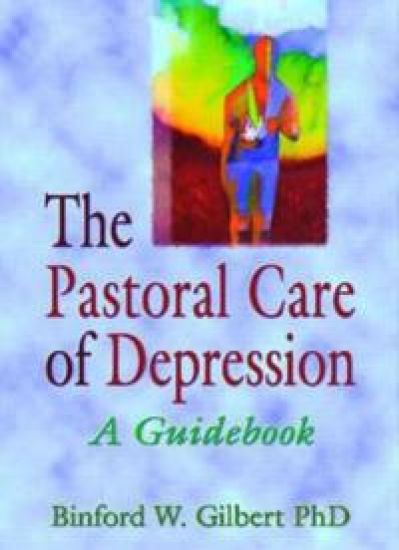
The Pastoral Care of Depression

The Pastoral Care of Depression

Harold G Koenig; Binford W Gilbert

Routledge Member of the Taylor and Francis Group
1997
sidottu
What is depression, and what are its many and varied types? Who becomes depressed, and how can it be recognized? How can depression be measured, and what are its suicidal potentialities? What are the therapeutic interventions the pastor can use in helping people who are undergoing the pain of depression? The Pastoral Care of Depression: A Guidebook answers these questions and many more. With a focus on the pastor as an instrument of healing in cooperation with families, physicians, and other mental health professionals, this book will help you understand some of the current research and procedures used in helping people suffering from depression. As the frontline mental health workers in many communities, pastors need confidence, competence, and skill in handling people with emotional problems. As Author Binford W. Gilbert explains, “Depression is among the most treatable of major illnesses. It enters the realm of the spiritual and demands the best of the pastoral leader to guide, assist, and enhance the struggle for peace and soundness of mind and body.” The Pastoral Care of Depression helps caregivers by overcoming the simplistic myths about depressive disorders and probing the real issues. This book covers:a thorough description of clinical depression predisposing factors that may lead to depression the need for a multidisciplinary approach, and the role of the pastor on the treatment team the importance of church and family involvement diagnosis--the ability to distinguish between normal grief, ordinary blues, situational depression, and clinical depression ministers’own emotional, physical, mental, and relational health the pastor’s privileged role that gives him/her unique abilities and opportunitiesA valuable resource for pastors, chaplains, counselors, psychiatrists, psychologists, physicians, family members, and teachers of pastoral care, The Pastoral Care of Depression is meant to inspire action-oriented counseling; to establish cooperative relationships between ministers, families, and the medical community; to carry out responsible and innovative creative therapeutic interventions; and to treat the whole human being.
Dying, Grieving, Faith, and Family

Dying, Grieving, Faith, and Family

Harold G Koenig; George W Bowman

Routledge Member of the Taylor and Francis Group
1997
sidottu
Dying, Grieving, Faith, and Family: A Pastoral Care Approach enables grief counselors, pastors, hospice specialists, hospital chaplains, mental health practitioners, educators, and seminary students to bring an understanding of faith development, family systems, and gender and ethnic differences into their professional practice as they work with dying and grieving persons. No other book covers all these themes. Not only a great resource for practical guidance, this book is also meant to be provocative, suggestive, and stimulating to professionals and educators charged with working with and teaching about dying and grieving persons. With 50 years of providing pastoral care to dying and grieving persons and 30 years as a pastoral educator, George Bowman understands the nature and concerns of dying and grieving persons. In Dying, Grieving, Faith, and Family he answers the questions you should be asking yourself--including:How does faith development affect relationships of the dying person and family and friends? How does faith development affect grief management by the survivors? How does the family systems approach help the pastor or counselor work with dying persons and their survivors? What gender and ethnic issues are important to remember in helping to minister and serve persons in crises of dying and grieving? The value of Dying, Grieving, Faith, and Family lies in its approach to dying and grieving from the perspectives of faith development, family systems theory, gender, and ethnicity. Bowman’s unique work proposes that personal development and faith development influence the way one deals with the crises of dying and grief work.
The Pastoral Care of Depression

The Pastoral Care of Depression

Harold G Koenig; Binford W Gilbert

Routledge Member of the Taylor and Francis Group
1997
nidottu
What is depression, and what are its many and varied types? Who becomes depressed, and how can it be recognized? How can depression be measured, and what are its suicidal potentialities? What are the therapeutic interventions the pastor can use in helping people who are undergoing the pain of depression? The Pastoral Care of Depression: A Guidebook answers these questions and many more. With a focus on the pastor as an instrument of healing in cooperation with families, physicians, and other mental health professionals, this book will help you understand some of the current research and procedures used in helping people suffering from depression. As the frontline mental health workers in many communities, pastors need confidence, competence, and skill in handling people with emotional problems. As Author Binford W. Gilbert explains, “Depression is among the most treatable of major illnesses. It enters the realm of the spiritual and demands the best of the pastoral leader to guide, assist, and enhance the struggle for peace and soundness of mind and body.” The Pastoral Care of Depression helps caregivers by overcoming the simplistic myths about depressive disorders and probing the real issues. This book covers:a thorough description of clinical depression predisposing factors that may lead to depression the need for a multidisciplinary approach, and the role of the pastor on the treatment team the importance of church and family involvement diagnosis--the ability to distinguish between normal grief, ordinary blues, situational depression, and clinical depression ministers’own emotional, physical, mental, and relational health the pastor’s privileged role that gives him/her unique abilities and opportunitiesA valuable resource for pastors, chaplains, counselors, psychiatrists, psychologists, physicians, family members, and teachers of pastoral care, The Pastoral Care of Depression is meant to inspire action-oriented counseling; to establish cooperative relationships between ministers, families, and the medical community; to carry out responsible and innovative creative therapeutic interventions; and to treat the whole human being.
Dying, Grieving, Faith, and Family

Dying, Grieving, Faith, and Family

Harold G Koenig; George W Bowman

Routledge Member of the Taylor and Francis Group
1997
nidottu
Dying, Grieving, Faith, and Family: A Pastoral Care Approach enables grief counselors, pastors, hospice specialists, hospital chaplains, mental health practitioners, educators, and seminary students to bring an understanding of faith development, family systems, and gender and ethnic differences into their professional practice as they work with dying and grieving persons. No other book covers all these themes. Not only a great resource for practical guidance, this book is also meant to be provocative, suggestive, and stimulating to professionals and educators charged with working with and teaching about dying and grieving persons. With 50 years of providing pastoral care to dying and grieving persons and 30 years as a pastoral educator, George Bowman understands the nature and concerns of dying and grieving persons. In Dying, Grieving, Faith, and Family he answers the questions you should be asking yourself--including:How does faith development affect relationships of the dying person and family and friends? How does faith development affect grief management by the survivors? How does the family systems approach help the pastor or counselor work with dying persons and their survivors? What gender and ethnic issues are important to remember in helping to minister and serve persons in crises of dying and grieving? The value of Dying, Grieving, Faith, and Family lies in its approach to dying and grieving from the perspectives of faith development, family systems theory, gender, and ethnicity. Bowman’s unique work proposes that personal development and faith development influence the way one deals with the crises of dying and grief work.