
Kirjailija
Harriet Beecher Stowe
Kirjat ja teokset yhdessä paikassa: 848 kirjaa, julkaisuja vuosilta 1800–2026, suosituimpiin kuuluu Sam Lawson's Oldtown Fireside Stories. Vertaile teosten hintoja ja tarkista saatavuus suomalaisista kirjakaupoista.
Nimi esiintyy myös muodoissa: Harriet Beecher-Stowe
848 kirjaa
Kirjojen julkaisuvuodet: 1800–2026.
Mayflower Or Sketches Of Scenes And Characters Among The Descendants Of The Pilgrim
Harriet Beecher Stowe
KESSINGER PUBLISHING CO
2004
pokkari




Tell it All a Woman's Life in Polygamy
Harriet Beecher Stowe; Fanny Stenhouse
KESSINGER PUBLISHING CO
2003
pokkari
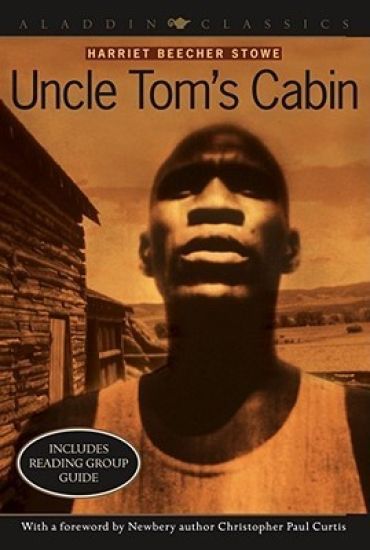
One of the bestselling books of all time, the heart-wrenching story of Eliza Harris and Uncle Tom, published in 1852, exposed the horrors of slavery and helped bring about the Civil War.
The American Woman's Home
Catharine E. Beecher; Harriet Beecher Stowe
Rutgers University Press
2002
nidottu
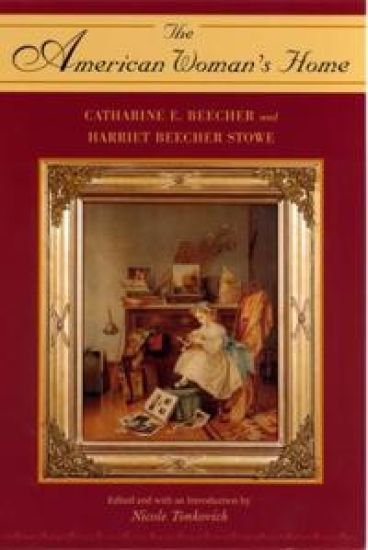
The American Womans Home, originally published in 1869, was one of the late nineteenth centurys most important handbooks of domestic advice. The result of a collaboration by two of the eras most important writers, this book represents their attempt to direct womens acquisition and use of a dizzying variety of new household consumer goods available in the postCivil War economic boom. It updates Catharine Beechers influential Treatise on Domestic Economy (1841) and incorporates domestic writings by Harriet Beecher Stowe first published in The Atlantic in the 1860s. Today, the book can be likened to an anthology of household hints, with articles on cooking, decorating, housekeeping, child-rearing, hygiene, gardening, etiquette, and home amusements. The American Womans Home, almost a bible on domestic topics for Victorian women, illuminates womens roles a century and a half ago and can be used for comparison with modern theories on the role of women in the home and in society. Illustrated with the original engravings, this completely new edition offers a lively introduction by Nicole Tonkovich and notes linking the text to important historical, social, and cultural events of the late nineteenth century
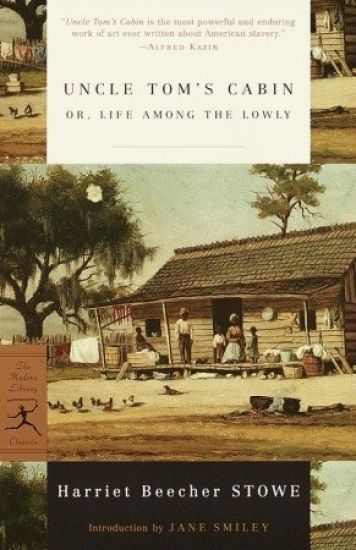
When Uncle Tom's Cabin was published in 1852, it became an international blockbuster, selling more than 300,000 copies in the United States alone in its first year. Progressive for her time, Harriet Beecher Stowe was one of the earliest writers to offer a shockingly realistic depiction of slavery. Her stirring indictment and portrait of human dignity in the most inhumane circumstances enlightened hundreds of thousands by revealing the human costs of slavery, which had until then been cloaked and justified by the racist misperceptions of the time. Langston Hughes called it "a moral battle cry," noting that "the love and warmth and humanity that went into its writing keep it alive a century later," and Tolstoy described it as "flowing from love of God and man." "Uncle Tom's Cabin is the most powerful and enduring work of art ever written about American slavery."—Alfred Kazin
Men of Our Times; Or, Leading Patriots of the Day. Being Narratives Fo the Lives and Deeds of Statesmen, Generals and Orators. Including Biographical
Harriet Beecher Stowe
University of Michigan Library
2001
nidottu
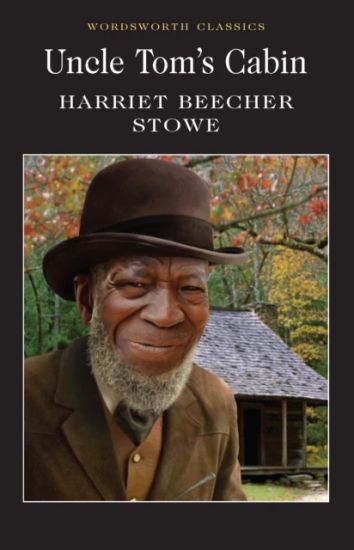
Uncle Tom's Cabin
Harriet Beecher Stowe
Wordsworth Editions Ltd
1999
nidottu
Halvin toimitettuna 11,90 €
Editedand with an Introduction and Notes by Dr Keith Carabine. University of Kent at Canterbury. Uncle Tom's Cabin is the most popular, influential and controversial book written by an American. Stowe's rich, panoramic novel passionately dramatises why the whole of America is implicated in and responsible for the sin of slavery, and resoundingly concludes that only ‘repentance, justice and mercy’ will prevent the onset of ‘the wrath of Almighty God!’. The novel gave such a terrific impetus to the crusade for the abolition of slavery that President Lincoln half-jokingly greeted Stowe as‘the little lady’ who started the great Civil War. As Keith Carabine argues in his lively and provocative Introduction, the novel immediately provoked a storm of competing and contradictory responses among Northern and Southern readers, moderate and radical abolitionist groups, blacks and women, with regard to issues of form, genre, politics, religion, race and gender, that are still of great interest because they anticipate the concerns that vex and divide modern readers and critical constituencies.
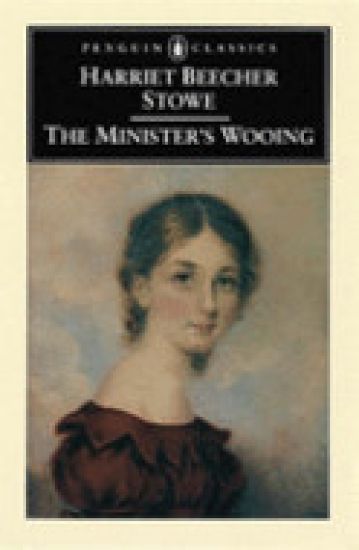
From the author of Uncle Tom’s Cabin, a domestic comedy that examines slavery, Protestant theology, and gender differences in early America. First published in 1859, Harriet Beecher Stowe’s third novel is set in eighteenth-century Newport, Rhode Island, a community known for its engagement in both religious piety and the slave trade. Mary Scudder lives in a modest farmhouse with her widowed mother an their boarder, Samuel Hopkins, a famous Calvinist theologian who preaches against slavery. Mary is in love with the passionate James Marvyn, but Mary is devout and James is a skeptic, and Mary’s mother opposes the union. James goes to sea, and when he is reportedly drowned, Mary is persuaded to become engaged to Dr. Hopkins. With colorful characters, including many based on real figures, and a plot that hinges on romance, The Minister’s Wooing combines comedy with regional history to show the convergence of daily life, slavery, and religion in post-Revolutionary New England. For more than seventy years, Penguin has been the leading publisher of classic literature in the English-speaking world. With more than 1,700 titles, Penguin Classics represents a global bookshelf of the best works throughout history and across genres and disciplines. Readers trust the series to provide authoritative texts enhanced by introductions and notes by distinguished scholars and contemporary authors, as well as up-to-date translations by award-winning translators.
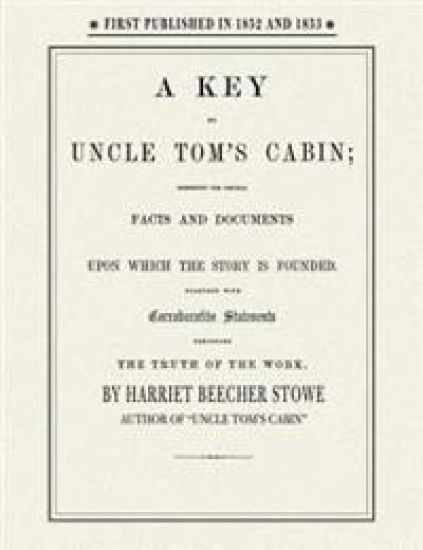
When first published, Uncle Tomis Cabin brought with its huge success enormous attention to the depravity of slavery. Many people, however, questioned the basis of truth of the novel. In response, Ms. Stowe gathered her research materials and published them in this now rare book.
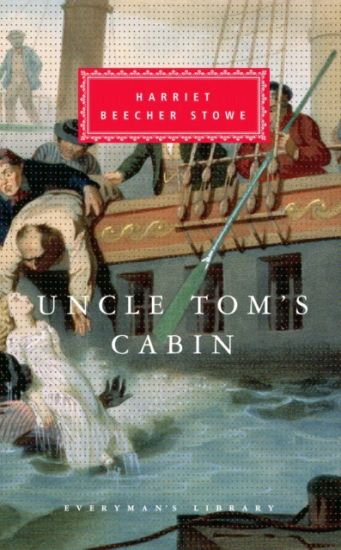
Published in 1851, Harriet Beecher-Stowe's novel rapidly became world-famous and remained so. A didactic and sentimental drama set among the slaves of the American South, Uncle Tom's Cabin is nevertheless a lively and forceful story. It made a major contribution to the Emancipationist cause and probably helped to sway the outcome of the Civil War. Given the history of race relations in our time it remains relevant even today.
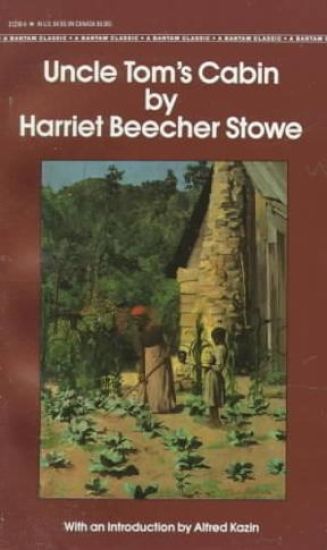
Uncle Tom, Topsy, Sambo, Simon Legree, little Eva: their names are American bywords, and all of them are characters in Harriet Beecher Stowe's remarkable novel of the pre-Civil War South. Uncle Tom's Cabin was revolutionary in 1852 for its passionate indictment of slavery and for its presentation of Tom, "a man of humanity," as the first black hero in American fiction. Labeled racist and condescending by some contemporary critics, it remains a shocking, controversial, and powerful work -- exposing the attitudes of white nineteenth-century society toward "the peculiar institution" and documenting, in heartrending detail, the tragic breakup of black Kentucky families "sold down the river." An immediate international sensation, Uncle Tom's Cabin sold 300,000 copies in the first year, was translated into thirty-seven languages, and has never gone out of print: its political impact was immense, its emotional influence immeasurable.